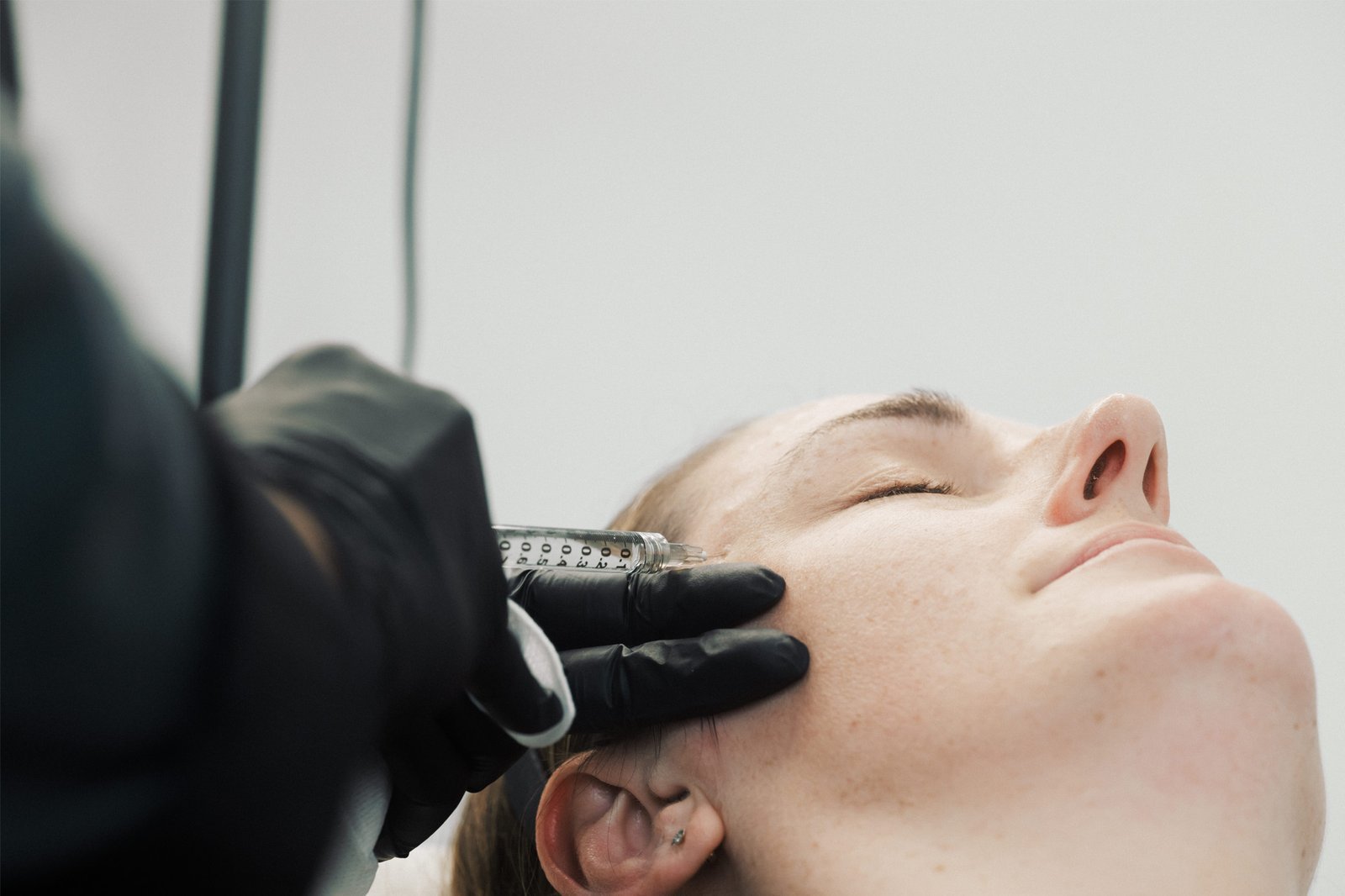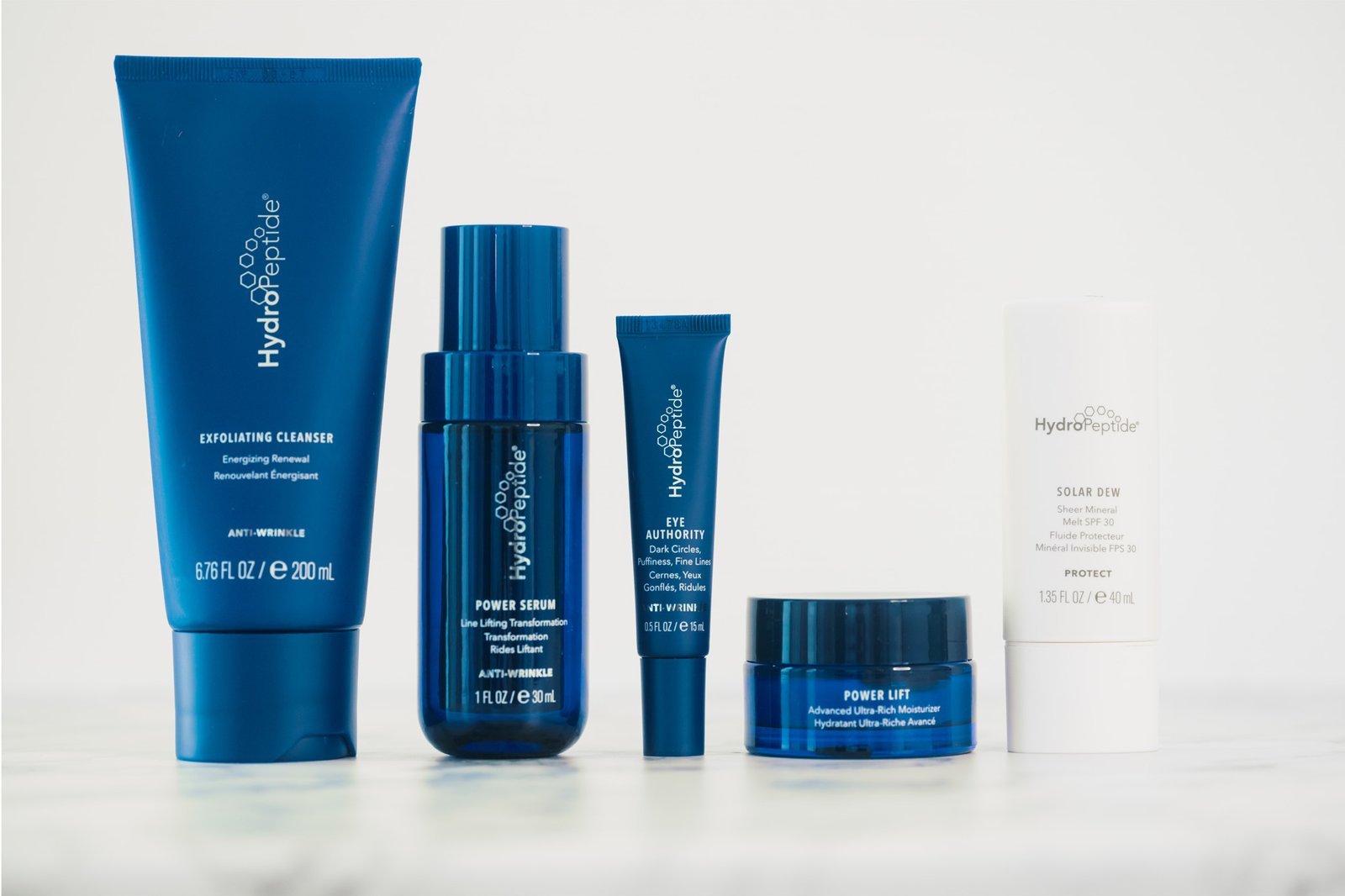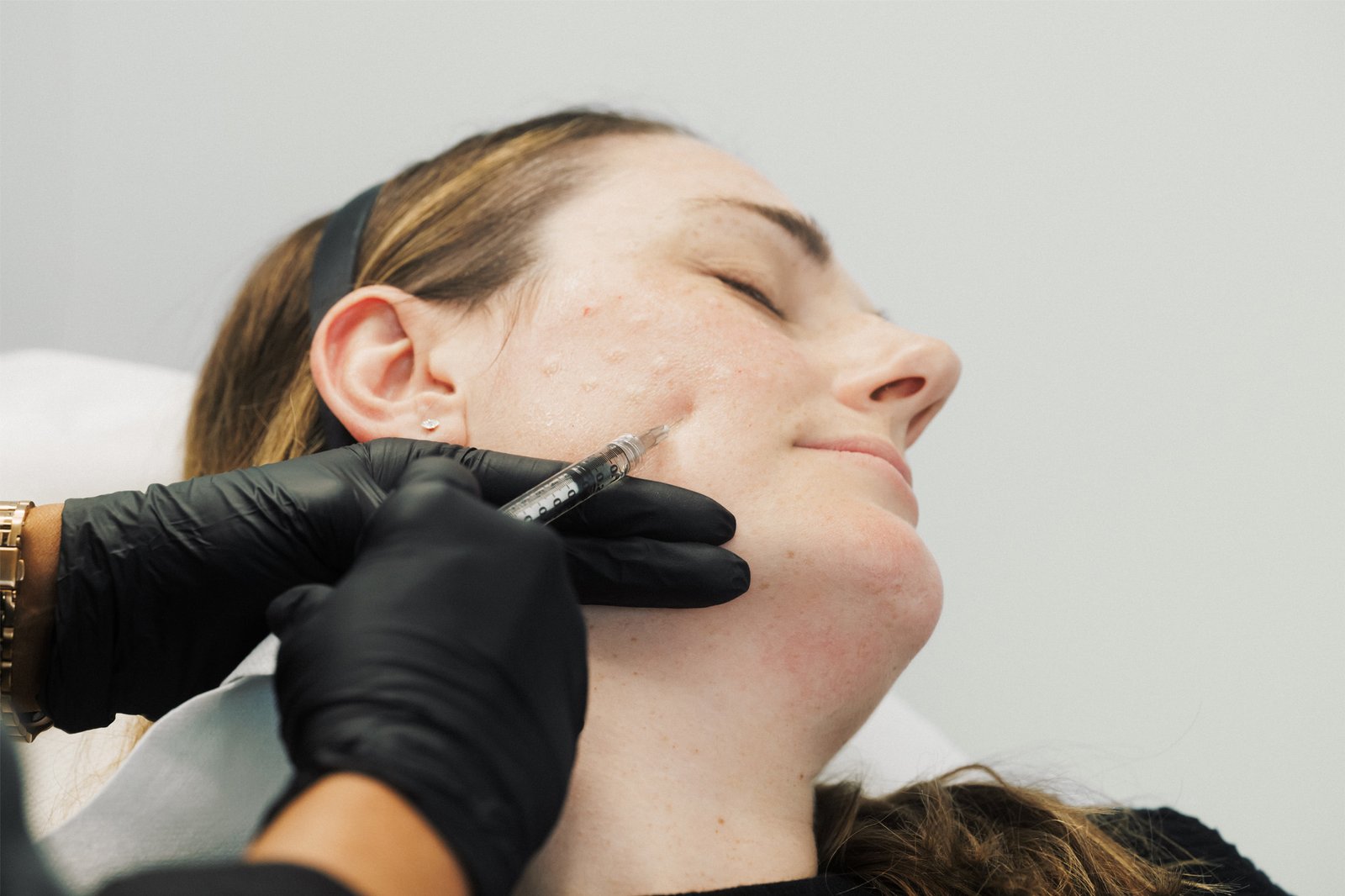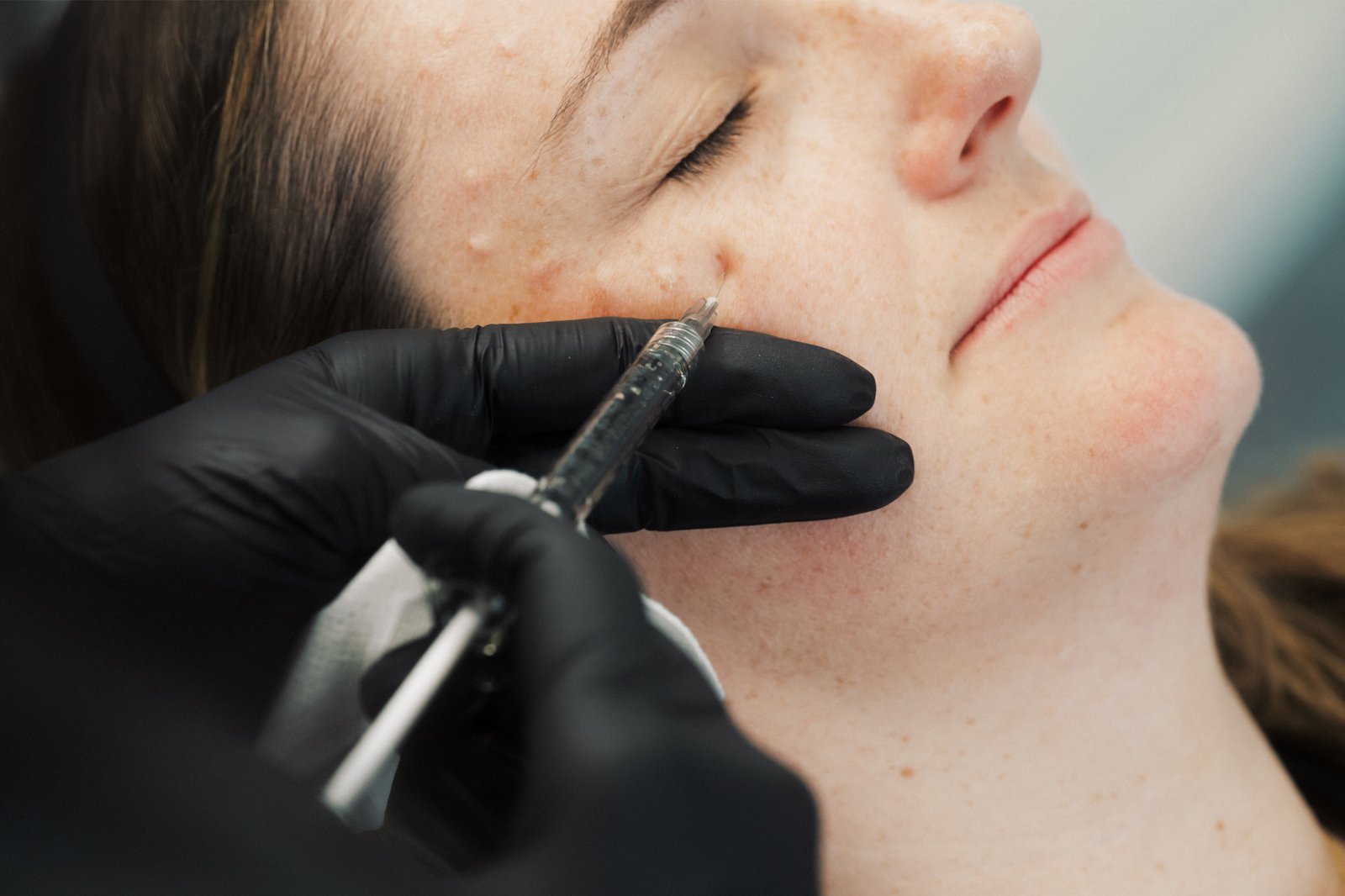
If your skin’s been feeling a little tired, looking a little dull, or just not as plump as it once was, it might be time to explore one of the most exciting new treatments in regenerative aesthetics: polynucleotides.
They’re the new kid on the block, and honestly, a game-changer for skin rejuvenation!
These smart little molecules: made from purified DNA fragments which are usually sourced from salmon (or trout), they help your skin heal and glow from the inside out [2][3]. Unlike Botox or fillers, which focus on freezing lines or restoring volume, polynucleotides are different [6][8].

How Polynucleotides Work Their Magic
Polynucleotides are multitaskers that, when injected, promote a regenerative environment that encourages cellular renewal. This is achieved through several mechanisms:
Tissue Repair: They work to stimulate your skin’s natural repair system to boost cell renewal, calm inflammation, and reduce oxidative stress, creating the perfect environment for healing [2]. By stimulating fibroblasts, they help rebuild collagen and elastin, two key proteins that keep skin firm, smooth, and youthful [1].
Hydration Boost: Polynucleotides work like a moisture magnet by drawing water deep into the skin to boost hydration, plumpness, and glow. They do this by activating hyaluronic acid production with enduring results due to cellular stimulation, helping your skin stay dewy, radiant, and refreshed [5][8].
Collagen Stimulation: This is where the real anti-ageing magic happens. Polynucleotides help turn back the clock by boosting your skin’s natural collagen and elastin production. They activate fibroblasts, leaving you with firmer, smoother, and more elastic skin over time. It’s a gentle yet powerful way to improve texture and restore that youthful bounce [1][2][5].
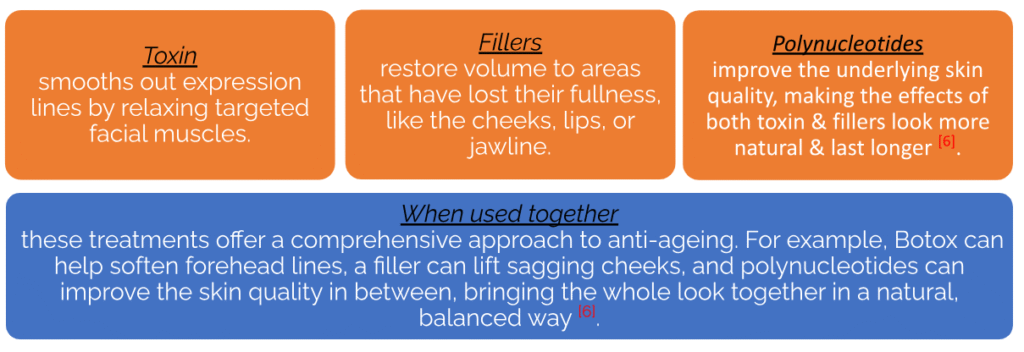
The Dream Team:Anti-Wrinkle, Fillers & Polynucleotides!
The beauty of polynucleotides lies not only in their regenerative properties but also in how well they complement other injectables. In the ongoing debate of Botox vs fillers, polynucleotides bring a third, equally important dimension.
Unlike traditional fillers, which deliver instant volume, polynucleotides take a few weeks to work their magic but the results are worth it. You’ll notice your skin gradually improving, which makes it a perfect companion to quicker-acting treatments [5].
Who Benefits Most from Polynucleotide Treatments?
If you’re looking to refresh tired, dull, or sensitive skin without jumping straight into traditional injectables, polynucleotides offer a gentle yet effective solution, especially in delicate areas like the eyes and neck.
They’re a perfect fix for [3][4][8]:
- Early signs of ageing
- Dryness
- Fine lines
- Loss of elasticity
- Sun-damaged or reactive skin
- Acne scars
- Rosacea
- Post-procedure recovery
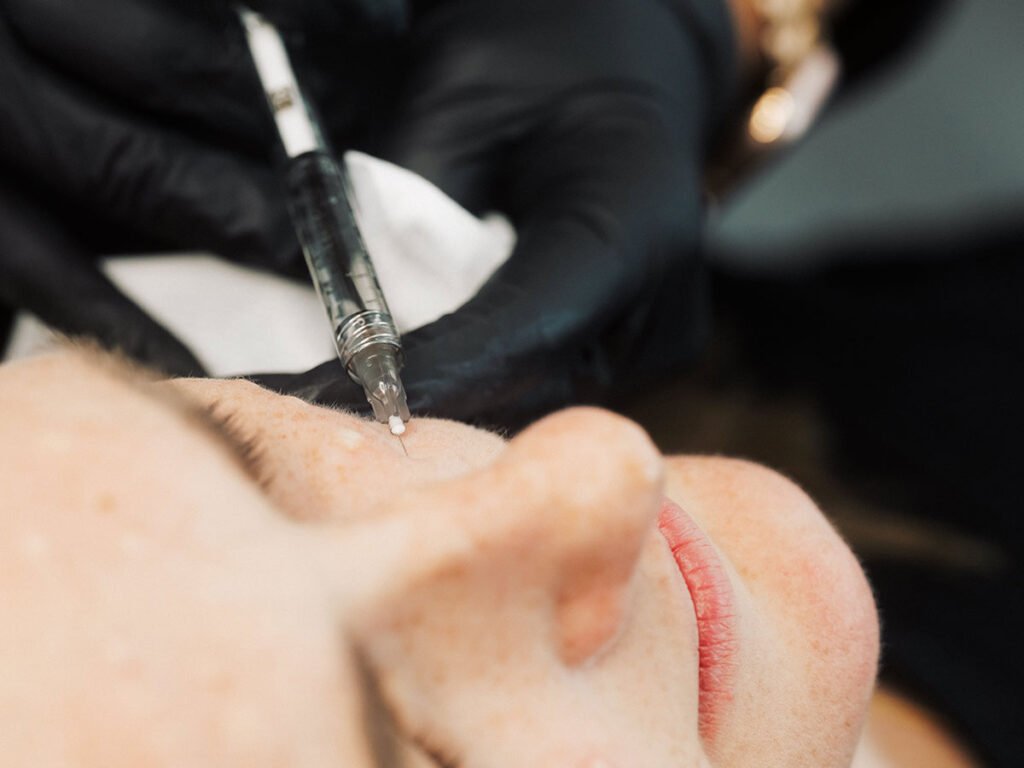
The Future of Regenerative Aesthetics
The world of regenerative aesthetics is shifting, and it’s all about working with your skin, not against it. Instead of just masking the signs of ageing, treatments like polynucleotides focus on true skin regeneration from within [7]. It’s no longer about Botox vs fillers, the best results come from a layered approach, and polynucleotides are the missing piece, bringing deep hydration, collagen boost, and skin repair to the mix [7].
If you’re ready to explore the benefits of polynucleotides and how they can enhance your aesthetic journey, then book a free consultation with us at Dr Lauren’s Medical Aesthetics Clinic today.
Our expert team will create a personalised treatment plan, whether that includes polynucleotides, Botox, dermal fillers, or a combination, to help you achieve healthy, radiant skin that looks as good as it feels.

Bibliography
- Ahmadi, M. (2024). The Efficacy of Polynucleotide Injections in Aesthetic medicine: a Review. [online] The PMFA Journal. Available at:
https://www.thepmfajournal.com/features/features/post/the-efficacy-of-polynucleotide-injections-in-aesthetic-medicine-a-review? - Alvin, W., Chan, L., Lee, A., Lee, C.L., Wan, J., Wong, S. and Yi, K.-H. (2024). Polynucleotides in Aesthetic Medicine: A Review of Current Practices and Perceived Effectiveness. International Journal of Molecular Sciences, 25(15), pp.8224–8224. doi:
https://doi.org/10.3390/ijms25158224 - Anti-Wrinkle Clinic. (2024). Polynucleotides Explained: Benefits and Uses for Skin Rejuvenation. [online] Available at:
https://www.antiwrinkleclinic.co.uk/blog-articles/polynucleotides-explained-benefits-and-uses-for-skin-rejuvenation? - Cosmedics. (n.d.). Polynucleotides – Latest Regenerative Skin Treatments. [online] Available at:
https://www.cosmedics.co.uk/skin-treatments/polynucleotides/ - Lampridou, S., Bassett, S., Cavallini, M. and Christopoulos, G. (2024). The Effectiveness of Polynucleotides in Esthetic Medicine: a Systematic Review. Journal of Cosmetic Dermatology, 24(2). doi:
https://doi.org/10.1111/jocd.16721 - Revital Lab. (n.d.). Combining Dermal Fillers and Polynucleotides. [online] Available at:
https://www.revitallab.co.uk/news/combining-dermal-fillers-and-polynucleotides/ - Reyes, P. (2025). The Truth about Polynucleotides in Aesthetics. [online] Medical SPA RX. Available at:
https://www.medicalsparx.com/the-truth-about-polynucleotides-in-aesthetics/ - Rislan, A. (2024). What Is Polynucleotide Skin Treatment? [online] Dr Hala Medical Aesthetic. Available at:
https://www.drhala.co.uk/post/what-is-polynucleotide-skin-treatment?