Published:
Updated:
Healthy skin is not static.
Throughout the year, your skin responds to changes in weather, humidity, temperature, indoor heating, and UV exposure. While many people think a seasonal skincare routine simply means swapping products every few months, achieving long-term results requires a more thoughtful and personalised approach.
Rather than reacting to temporary skin concerns, seasonal adjustments should support your long-term skin health goals. A successful approach combines changes to your at-home products, professional skin analysis, and treatments that evolve alongside your skin’s changing needs.
Whether you are creating a skincare routine summer plan for increased UV exposure or building a skincare routine winter strategy to combat dryness, understanding why your skin changes is the first step.
Why your skin changes throughout the year
Your skin constantly responds to the environment around you. Seasonal shifts affect hydration levels, oil production, sensitivity, and overall skin function.
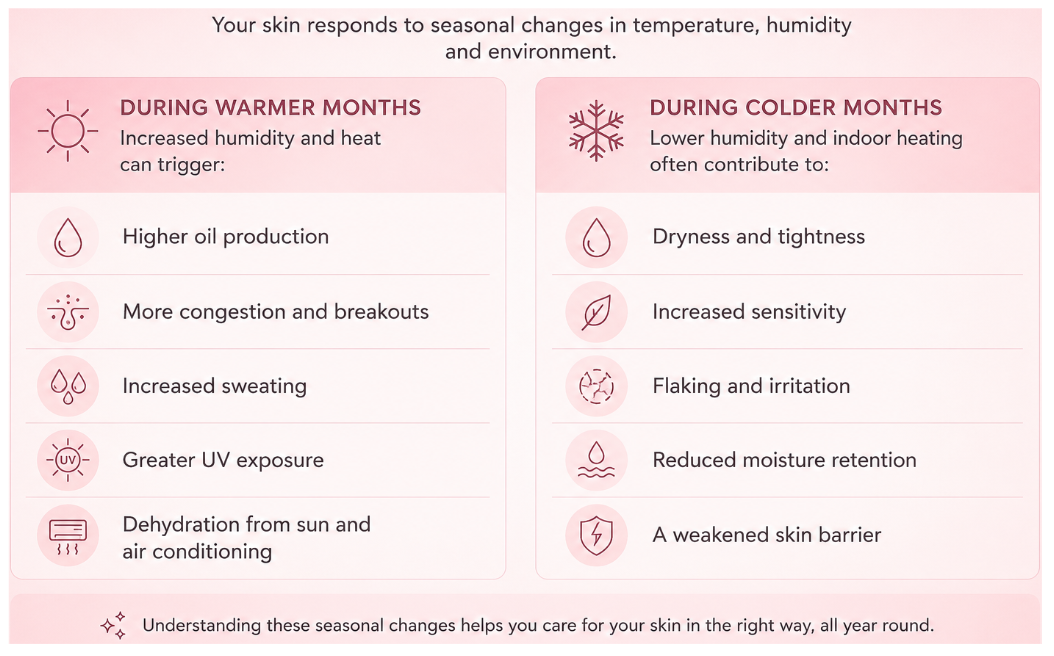
Your skin barrier acts as your skin’s protective shield. It helps retain moisture while defending against environmental stressors.
Seasonal changes can place additional pressure on this barrier, making it important to adapt your routine carefully.
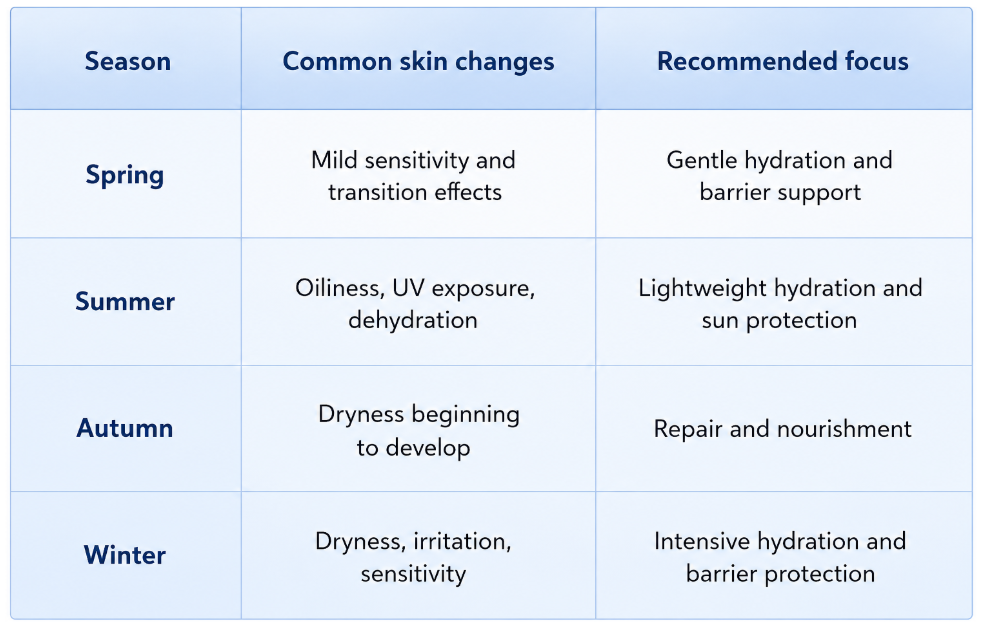
Understanding these patterns helps create a smarter seasonal skincare routine that works with your skin rather than against it.
Don’t change everything at once
One of the most common mistakes people make is replacing their entire routine when the weather changes.
Social media trends often encourage introducing multiple active ingredients at once or following complicated routines. However, sudden changes can overwhelm your skin and disrupt the skin barrier.
Protect your skin barrier first:
Think of your skin barrier as the foundation of healthy skin. If it becomes compromised, you may experience:
- Redness
- Dryness
- Breakouts
- Increased sensitivity
- Inflammation
Instead of making dramatic changes, gradually introduce products one at a time.This allows you to identify which products are helping and prevents unnecessary irritation.
For example:
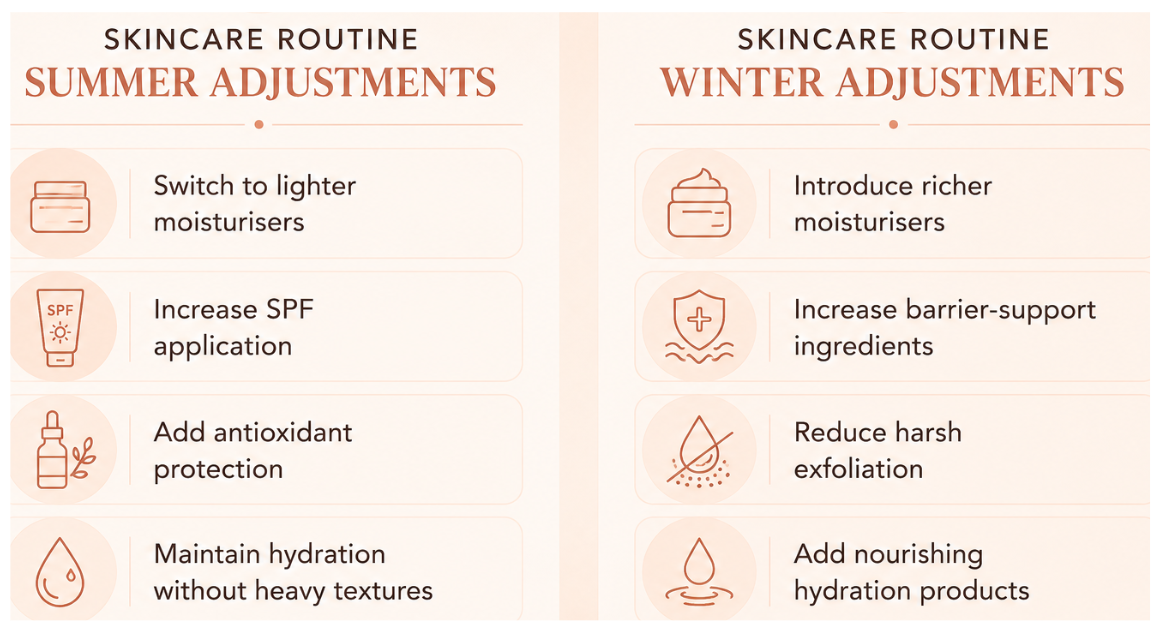
Avoid chasing every skincare trend. More products do not necessarily mean better results. Long-term consistency usually outperforms complicated routines.
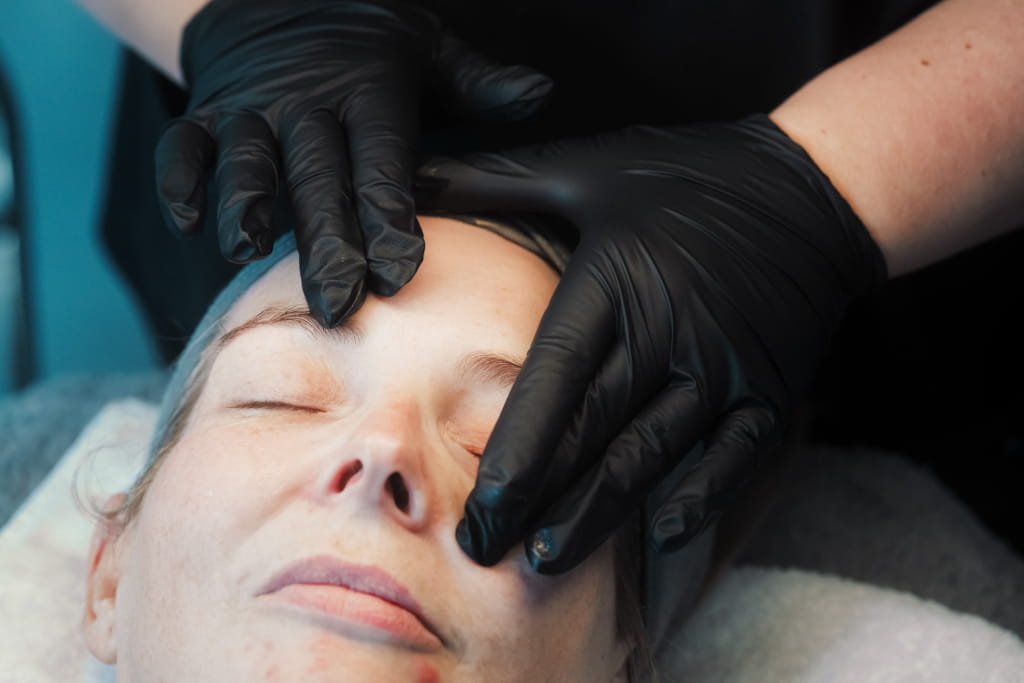
Why professional skin analysis makes the difference
Many people confuse skin type with skin condition.
Your skin type may remain relatively consistent:
- Dry
- Oily
- Combination
- Normal
Your skin condition, however, can change frequently based on:
- Weather
- Stress
- Hormones
- Lifestyle
- Age
- Environment
This is why a personalised skincare routine delivers better results than generic online recommendations.
A professional consultation can identify concerns that are not always visible and help determine the most effective adjustments throughout the year.
For clients seeking a skincare routine approach, in Hamilton or Glasgow, professional assessments provide tailored guidance based on individual skin needs rather than assumptions.
The Skin Suite Starter pathway is designed to establish a clear understanding of your skin’s current condition before recommending treatment and product changes. Rather than guessing which products may work, professional analysis creates a structured foundation for better outcomes.
A skincare consultation at Dr Lauren’s Medical Aesthetics in Hamilton can help uncover issues such as dehydration, barrier disruption, hidden inflammation, or congestion patterns that may influence your routine choices.
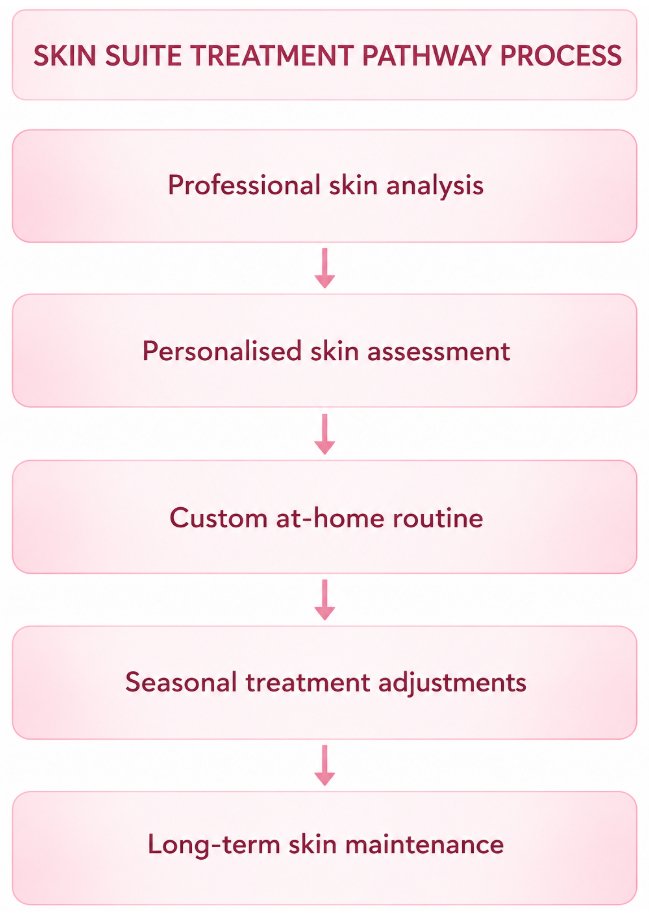
This approach transforms skincare from short-term problem solving into a sustainable skin journey.
Adapting your in-clinic treatments
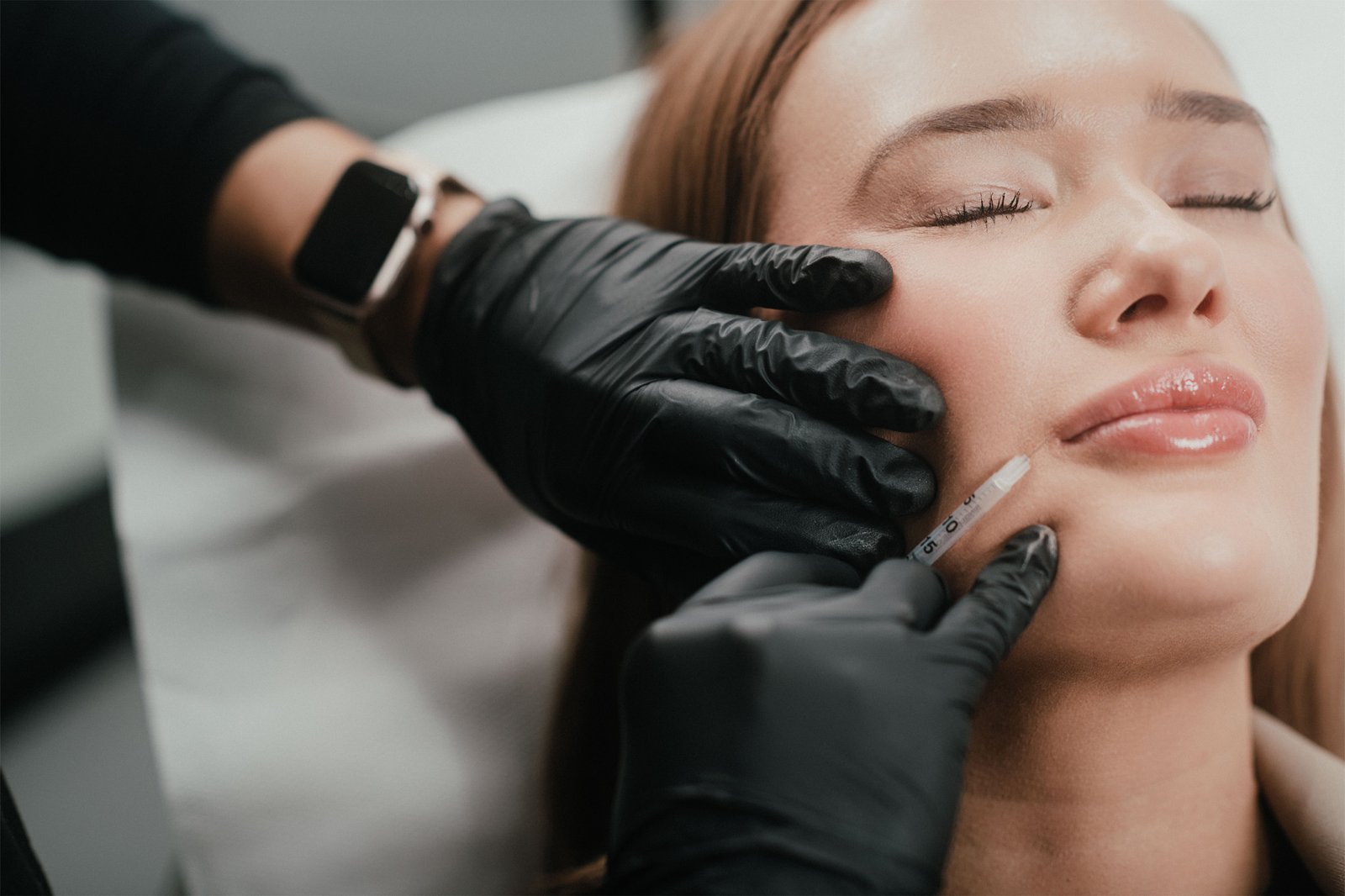
Just as your home routine evolves, professional treatments should also adapt throughout the year. Your skin’s tolerance, hydration levels, and recovery needs can shift significantly between seasons.
Common treatment adjustments may include:
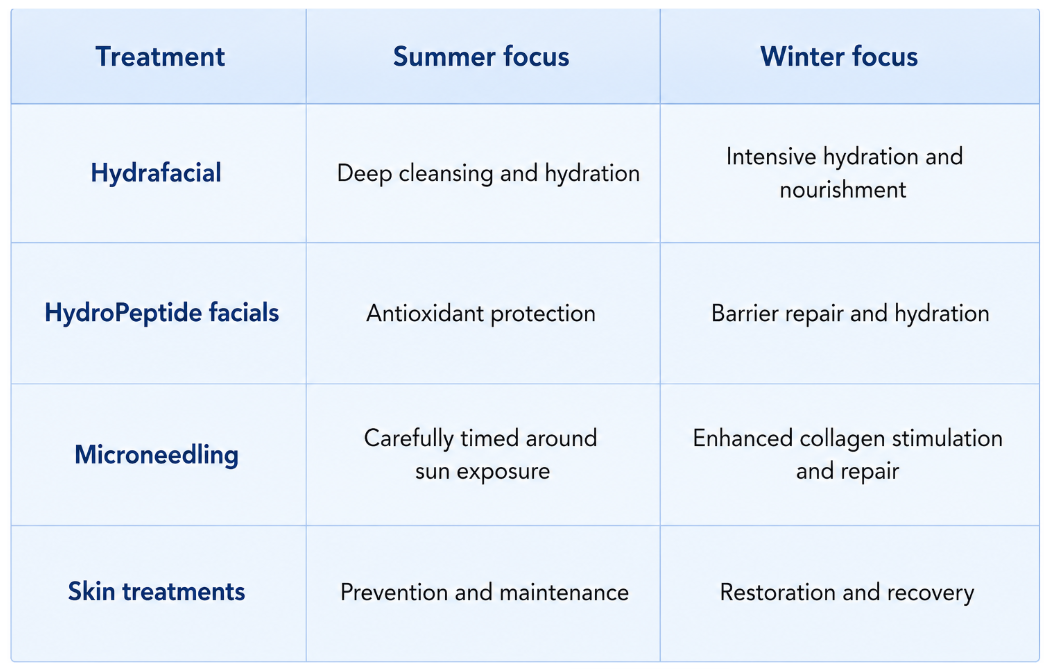
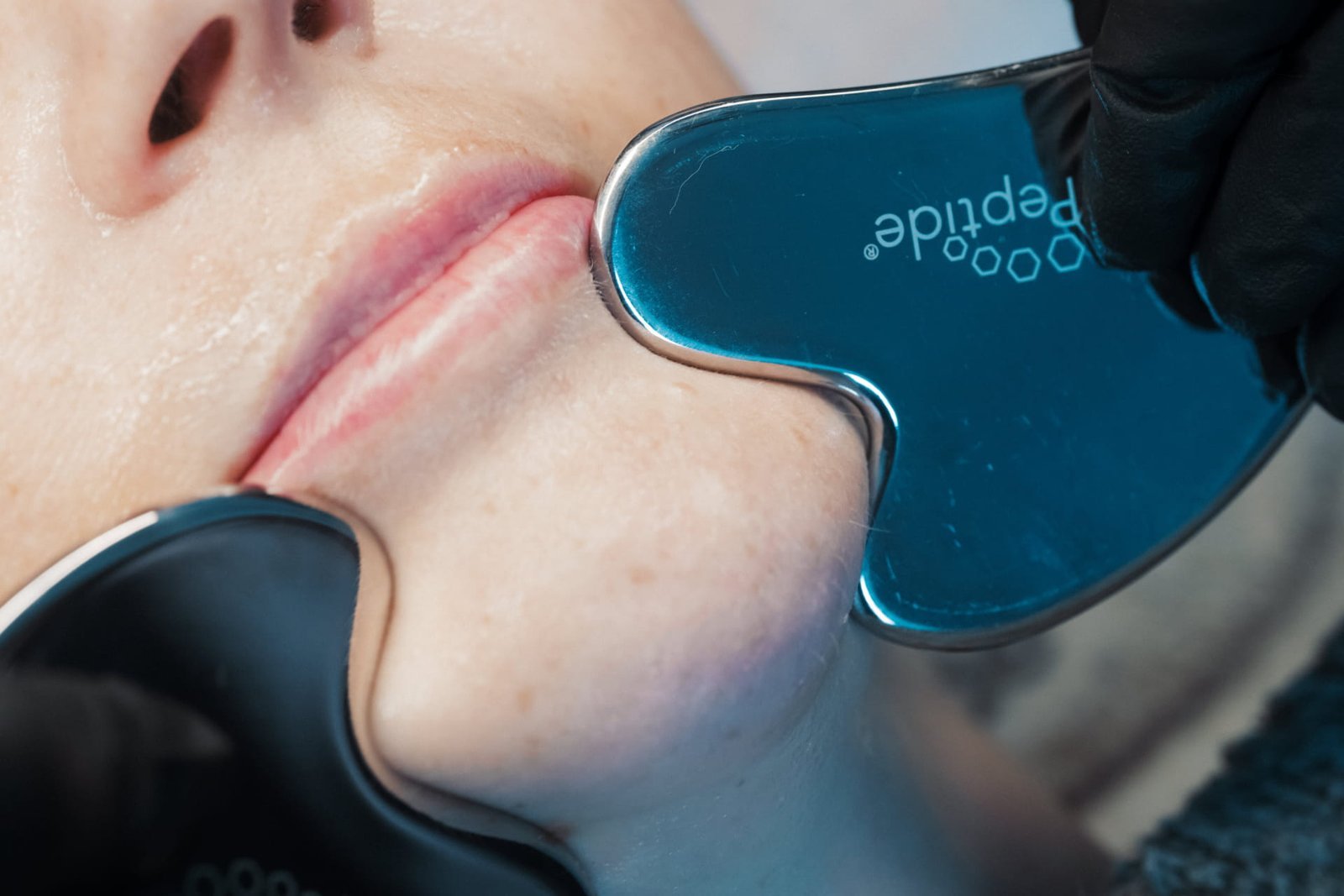
HydroPeptide skincare and facial treatments can be particularly valuable because they support both visible results and long-term skin function.
Professional providers may also recommend medical-grade skincare products that contain higher concentrations of active ingredients and evidence-based formulations designed to support specific skin concerns.
The key principle is flexibility. Treatments should evolve alongside your skin rather than remain fixed throughout the year.
Instead of repeating the same approach indefinitely, your pathway should respond to your skin’s changing requirements.
Think beyond the seasons
Although adjusting products seasonally is important, healthy skin should not be viewed as a series of isolated seasonal changes.
Your skin is constantly evolving.
A seasonal skincare routine works best when it forms part of a larger plan focused on long-term skin health rather than temporary fixes.
The Skin Suite Treatment Pathways model supports this philosophy by creating a structured journey that combines:
- Professional skin analysis
- Personalised home care
- Seasonal treatment adaptations
- Progress tracking
- Long-term maintenance strategies
Rather than asking, “What products should I use this season?” the better question becomes:
“What does my skin need right now, and how does that fit into my long-term goals?”
Once a treatment pathway is completed, ongoing maintenance becomes essential. This is where the Skin Suite Social Club stage can help support results and maintain healthy skin throughout the year.
Consistent maintenance ensures your skin continues receiving the support it needs as environmental conditions change.
Whether you are building a skincare routine plan, preparing for summer, or strengthening your skincare routine for winters; seasonal adjustments should always be guided by your individual skin needs.
Because healthy skin is not built in one season; it is developed through a personalised journey that evolves throughout the entire year.
Ready to build a skincare routine that evolves with you?
Your skin changes throughout the year — and your skincare should too. Book a Free Skin Health Consultation with Dr Lauren for expert advice and a treatment pathway designed to keep your skin healthy and radiant in every season.

Bibliography
- Inkey – 2026 – How to Build Your Skincare Routine: A Guide for Every Skin Type [online] Available at:
https://www.theinkeylist.com/blogs/news/how-to-build-your-skincare-routine - The Ordinary – 2026 – Back to Basics: How to Build a Regimen [online] Available at:
https://theordinary.com/en-us/blog/mastering-skincare-routine-guide.html - Anita Bhagwandas – 2026 – How to build the perfect skincare routine: six steps, according to experts [online] Available at:
https://www.theguardian.com/thefilter/2026/apr/03/how-to-build-skincare-routine - Dori Price, April Franzino – 2026 – The Exact Skincare Routine Dermatologists Recommend for Glowing Skin [online] Available at:
https://www.goodhousekeeping.com/beauty/anti-aging/a22850819/best-skincare-routine/ - Concetta Ciarlo – 2026 – The Ideal Spring Skin-Care Routine, Unpacked [online] Available at:
https://www.vogue.com/article/spring-skincare-routine - Heather Logue – 2025 – A Dermatologist’s Guide to Healthy Skin All Winter Long [online] Available at:
https://rightasrain.uwmedicine.org/well/health/winter-skincare-guide