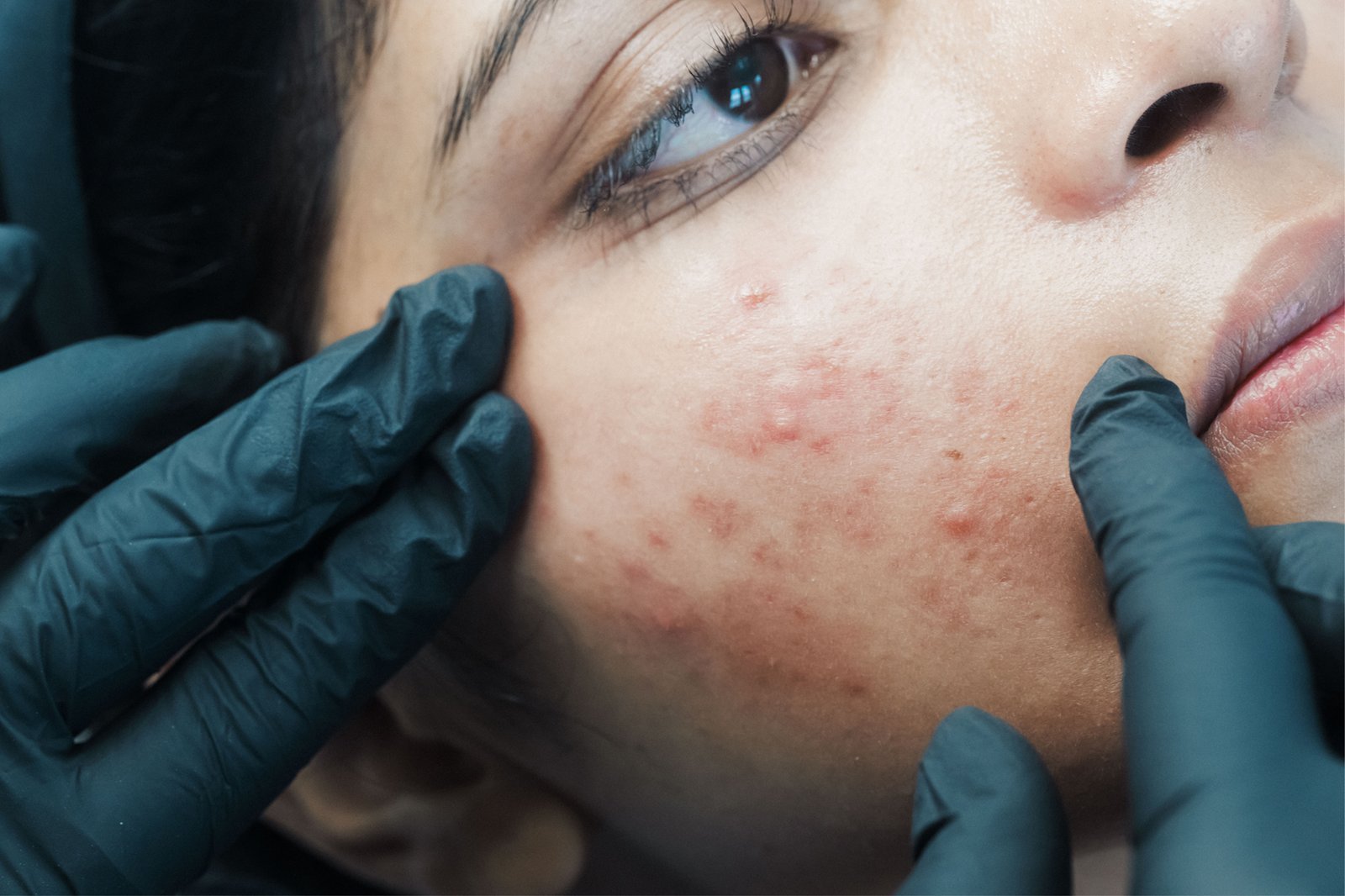
If you want smoother skin, improved texture or a reduction in the appearance of fine lines and acne scars, microneedling may be worth considering.
This professional skin treatment works by stimulating the skin’s natural repair processes, encouraging collagen production and supporting gradual improvements in overall skin quality.
However, results take time, and suitability depends on your individual skin concerns, health and expectations.
At Dr Lauren Medical Aesthetics, the approach to skin health focuses on understanding what your skin needs rather than recommending treatments simply because they are popular.
This guide explains how microneedling works, its potential benefits, what recovery involves and how it can fit into a personalised Skin Health Pathway.
What is Microneedling?
Microneedling is a clinical skin treatment that uses fine, sterile needles to create controlled micro-injuries in the skin.
Also known as collagen induction therapy, it stimulates the skin’s natural wound-healing response, encouraging processes involved in collagen production and tissue renewal.
Collagen provides structural support, helping the skin maintain its firmness and resilience. Elastin contributes to elasticity, allowing the skin to stretch and return towards its original shape.
As we age, the production and organisation of these proteins change, contributing to fine lines, textural irregularities and reduced firmness.
By encouraging the skin’s repair mechanisms, microneedling can gradually improve its texture and appearance. It does not replace lost collagen overnight, nor does it stop the natural ageing process. Instead, it supports changes that develop over time.
What are the Benefits of Microneedling?
The potential microneedling benefits depend on your skin concerns, the treatment protocol and how your skin responds. It is particularly useful when the aim is to improve overall skin quality rather than create an immediate, dramatic transformation.
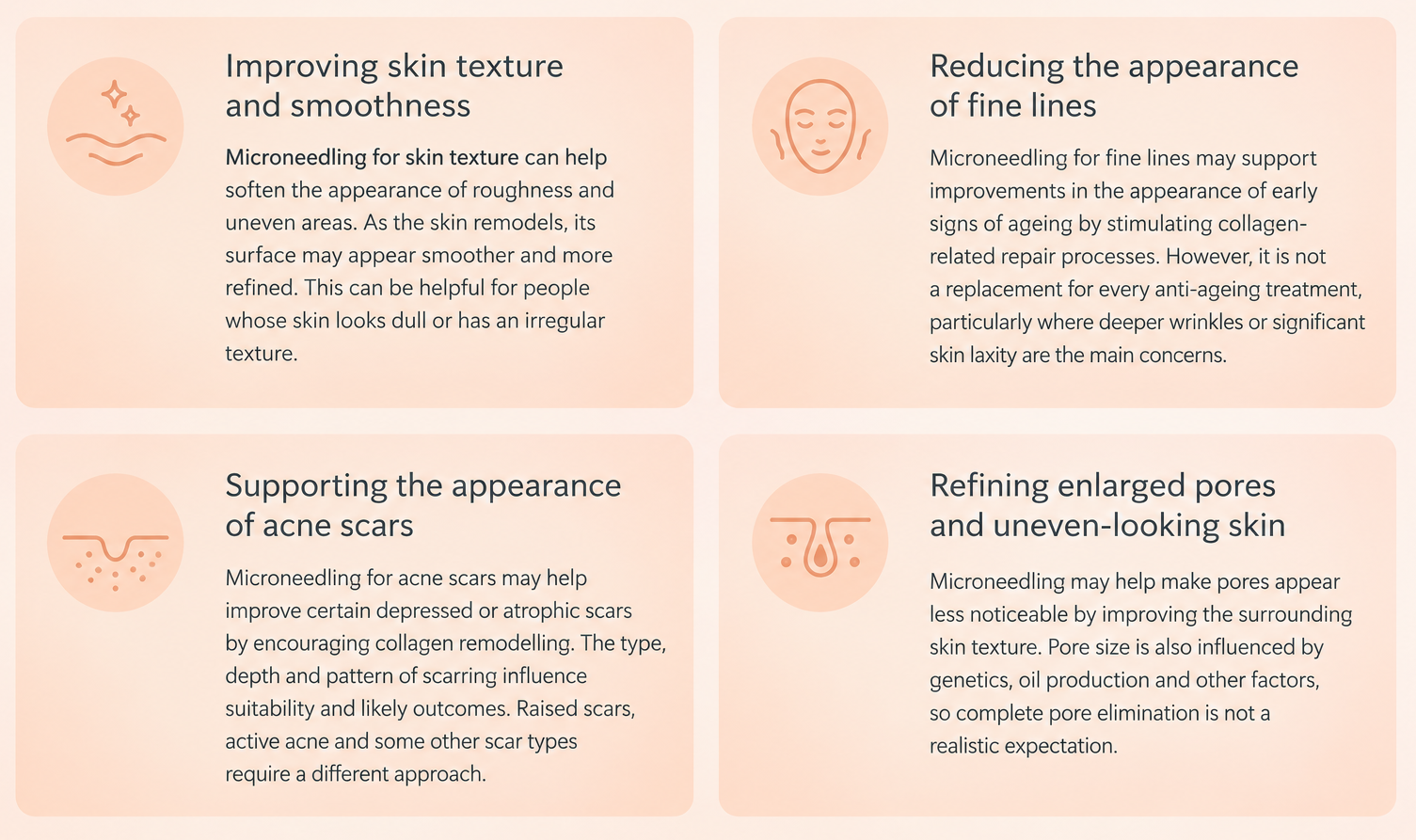
Results vary between individuals. Microneedling is not a guaranteed solution for pigmentation, deep scars or significant wrinkles, and more than one treatment may be needed.
What happens during a microneedling treatment?
A professional microneedling treatment should begin with a consultation, not simply the procedure itself. Understanding your concerns and assessing your skin helps determine whether treatment is appropriate.
The process generally follows these stages:
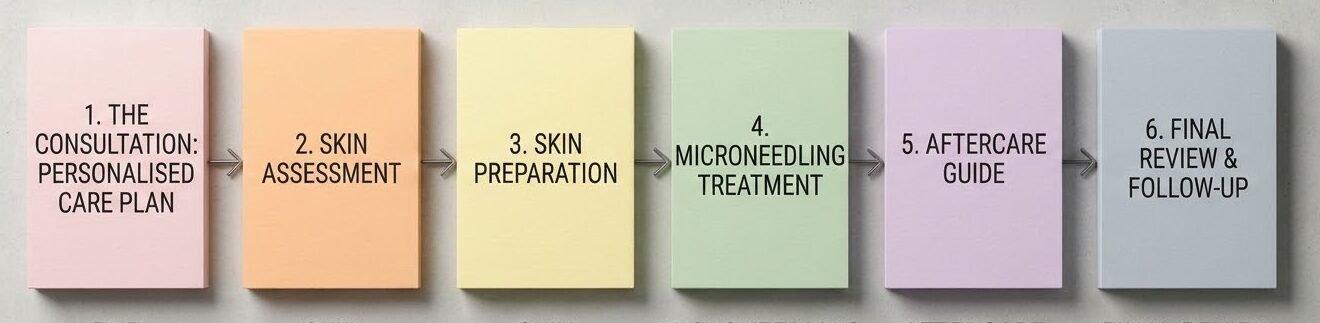
During the consultation, your practitioner discusses your goals, medical history, skincare routine and any previous treatments. Your skin is then assessed to identify relevant concerns and potential contraindications.
Before treatment, the skin is cleansed, and any preparation required by the specific protocol is completed.
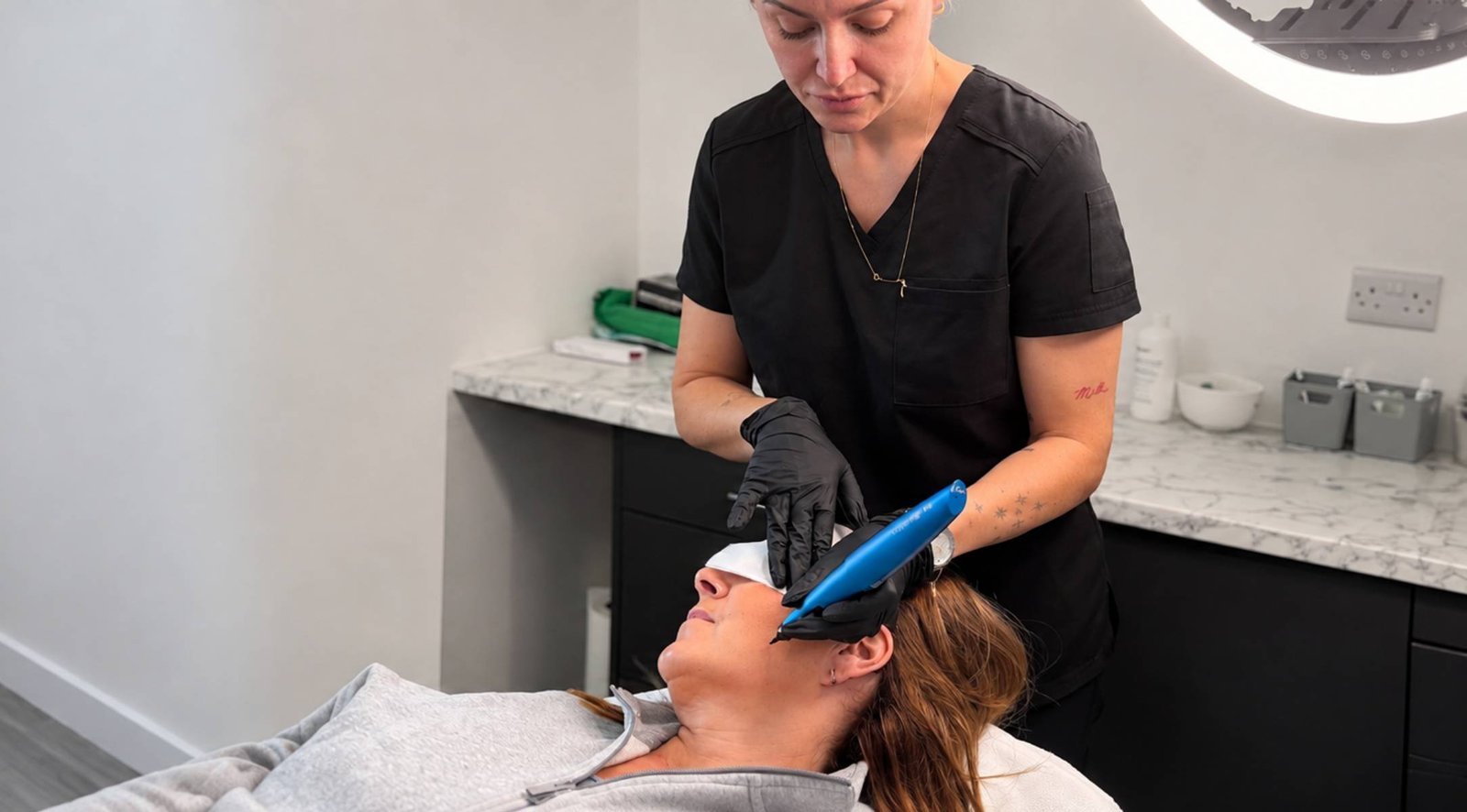
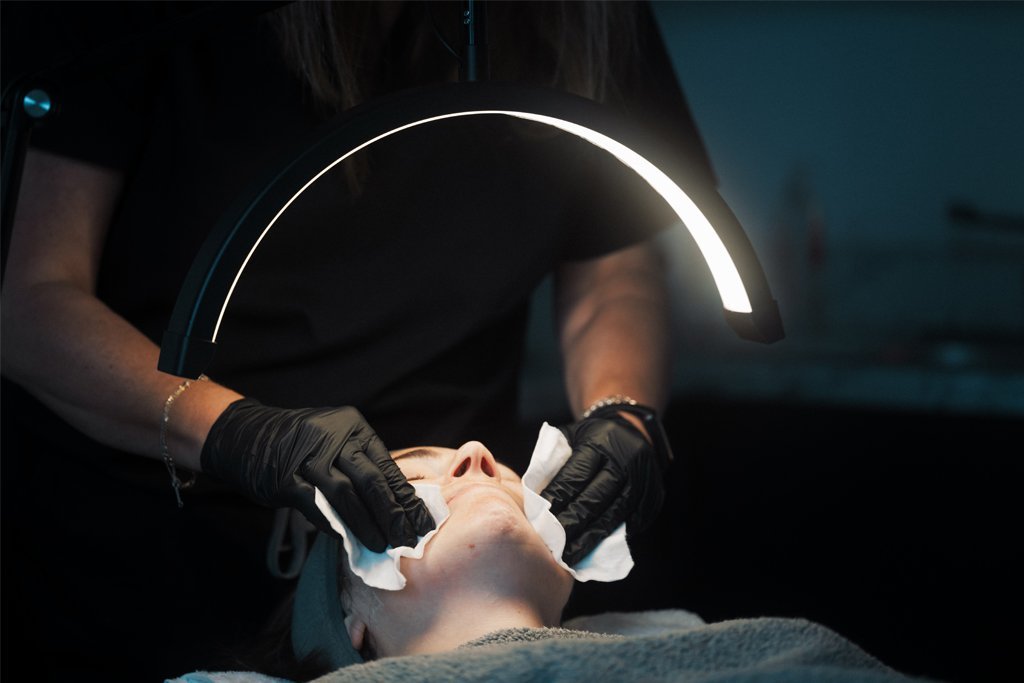
A professional device containing sterile, fine needles is then passed over the treatment area in a controlled manner. The technique and needle depth should be selected according to the treatment area, skin condition and intended outcome.
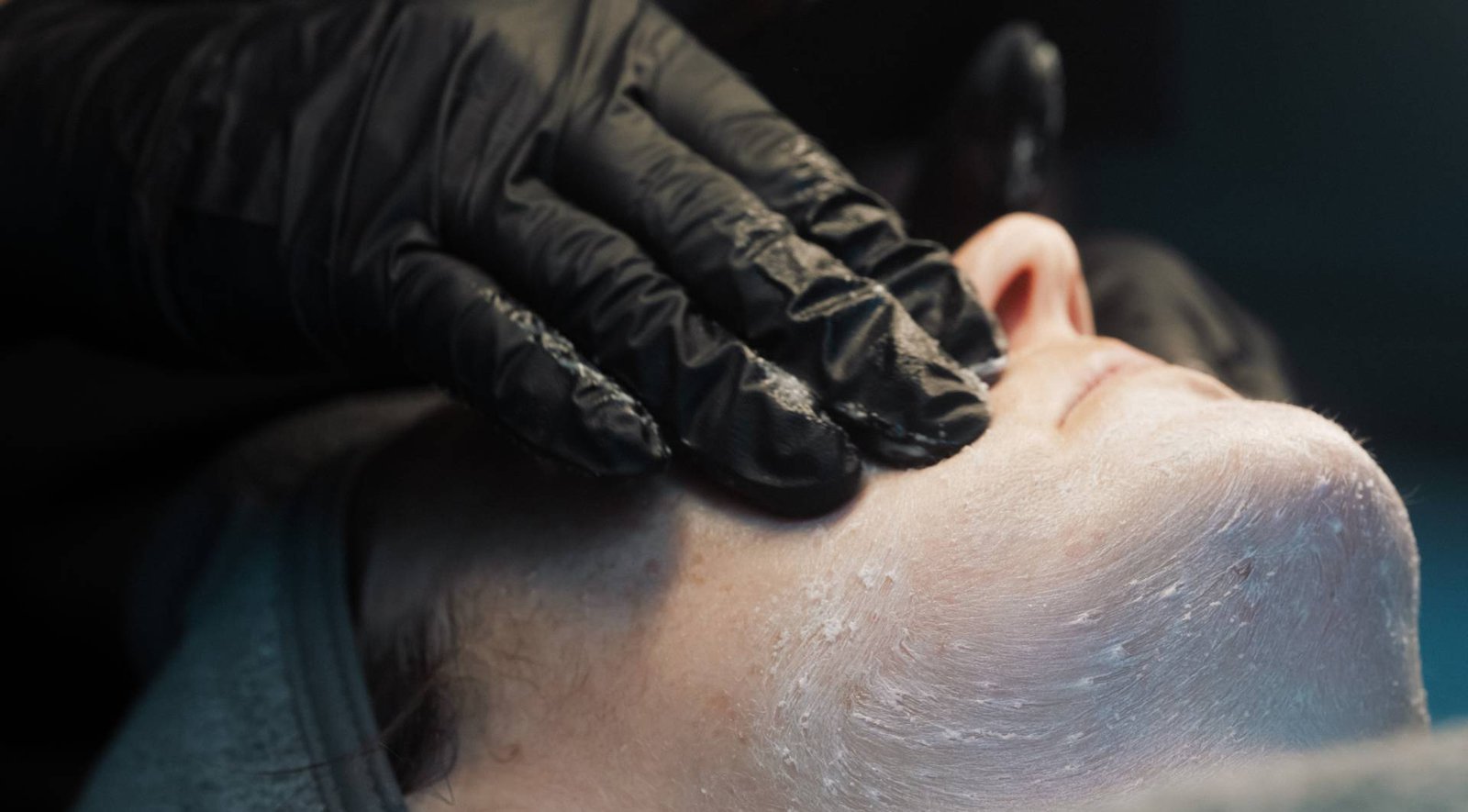
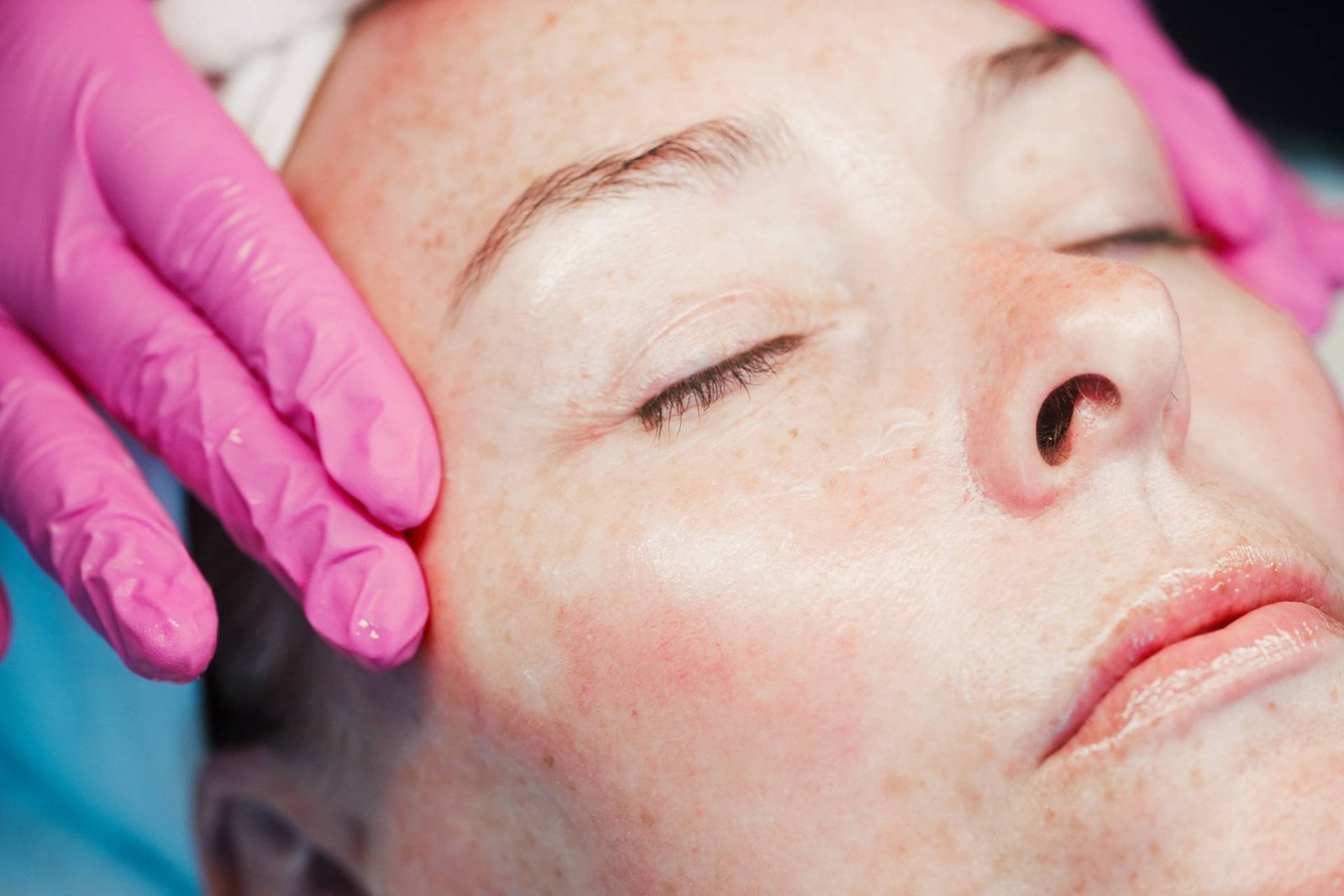
You may experience a prickling, scratching or vibrating sensation, depending on the device and settings. Immediately afterwards, the skin commonly looks red and may feel warm, similar to mild sunburn. Small pinpoint marks or slight swelling can also occur.
Your practitioner should explain the expected recovery period and provide clear aftercare instructions before you leave.
Does microneedling hurt?
One of the most common questions is: Is microneedling painful?
The experience varies, but most people describe the sensation as tolerable discomfort rather than significant pain. Sensitive areas, such as the forehead or around the nose, may feel more noticeable than other parts of the face.
Comfort can depend on needle depth, treatment technique, individual sensitivity and the area being treated. Depending on the protocol, an appropriate topical anaesthetic may be considered.
A responsible practitioner will adapt treatment to your skin and comfort levels rather than using unnecessarily aggressive settings. You should feel able to communicate discomfort throughout the procedure.
How long does microneedling take to work?
Microneedling results develop gradually, which is important to understand before committing to treatment.
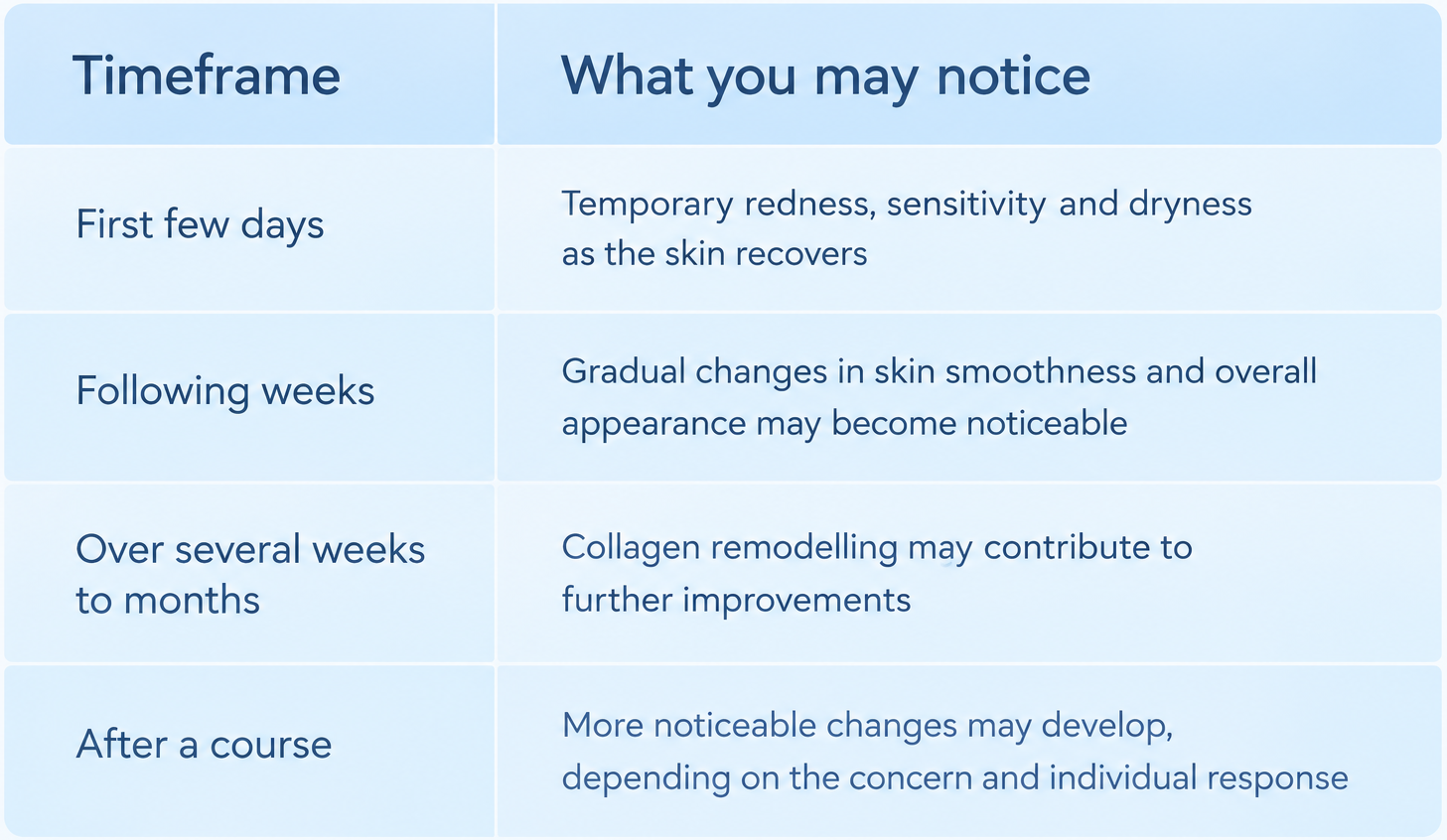
The skin’s repair processes take time, so an immediate glow should not be confused with the full outcome. A single treatment may offer some improvement, but concerns such as acne scarring often require a course of treatments spaced appropriately apart.
Your practitioner can recommend a schedule based on your skin’s response rather than applying the same plan to everyone.
Consistent homecare, suitable sun protection and review appointments can also support long-term skin health.
What is the downtime after microneedling?
Microneedling downtime varies with the treatment intensity, skin sensitivity and individual healing response. Redness and warmth are common immediately afterwards, while sensitivity, tightness, mild swelling and dryness may follow.
Many people find that the more noticeable redness settles within a few days, although recovery can take longer after more intensive treatment. Your practitioner should explain the likely timeframe for your specific procedure.
During recovery, it is important to protect the skin barrier and avoid unnecessary irritation.
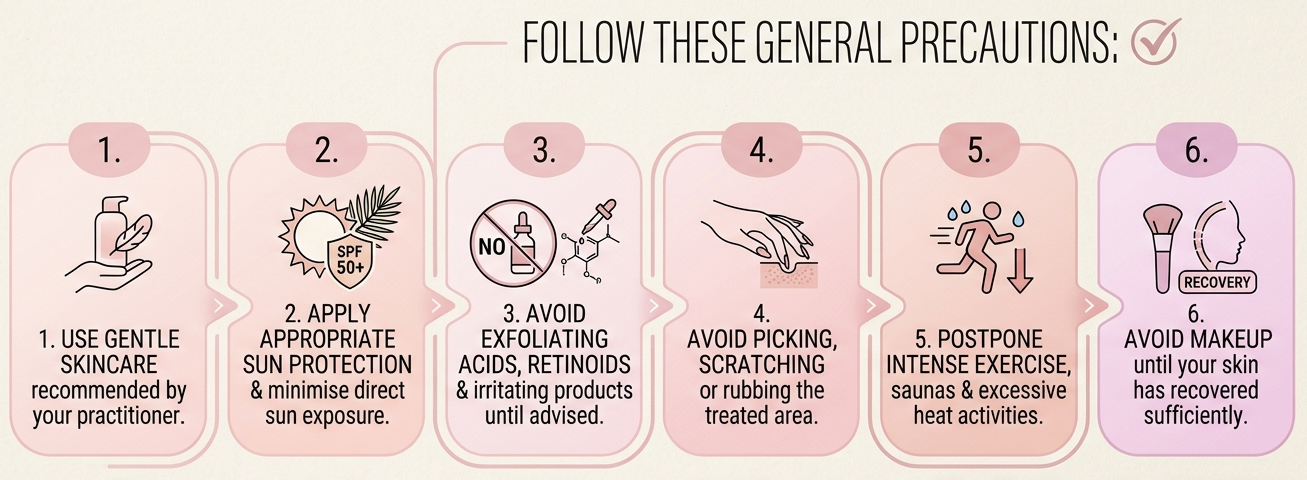
Your practitioner should provide personalised aftercare instructions. Seek professional advice if you develop worsening pain, increasing redness, spreading warmth, pus or other signs of possible infection.
Is microneedling suitable for everyone?
Although microneedling can benefit many people, it is not suitable for every skin type or condition. A professional assessment is essential before proceeding.
Treatment may need to be postponed or avoided if you have an active skin infection, cold sores in the treatment area, open wounds or significant inflammatory skin conditions.
Certain medications, a history of abnormal scarring, impaired wound healing and other medical factors may also affect suitability.
Active acne requires particular consideration because needling inflamed lesions can aggravate the condition or spread infection.
People with a tendency towards post-inflammatory hyperpigmentation may also need careful assessment and an appropriately tailored treatment plan.
Professional microneedling differs from DIY devices because treatment involves clinical assessment, controlled technique, appropriate infection prevention and structured aftercare.
Home devices can cause injury, infection, scarring or pigmentation problems when used incorrectly. The safest approach is to choose a qualified practitioner who explains the benefits, limitations and risks before recommending treatment.
Microneedling as part of your skin health journey
Is microneedling worth it?
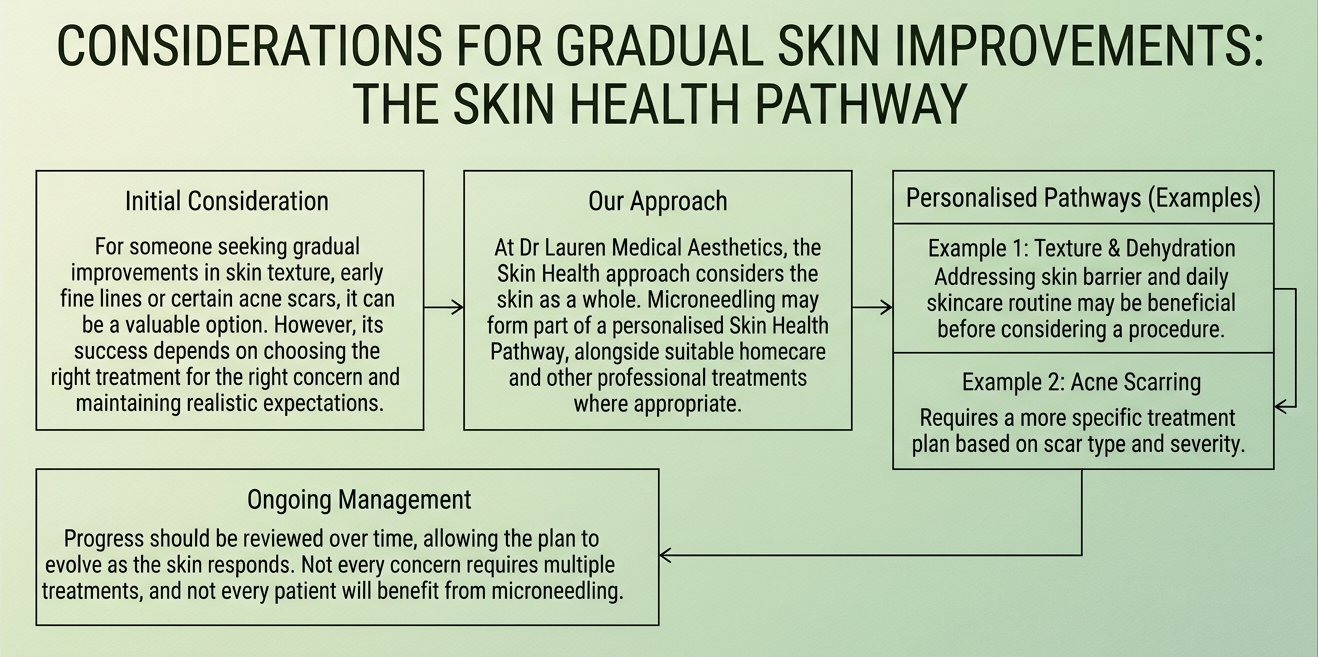
If you are considering microneedling in Glasgow or Hamilton, a professional consultation can help establish whether the treatment aligns with your goals. Rather than chasing a quick fix, the aim is to make informed decisions that support healthier-looking skin over the longer term.
Ultimately, microneedling is worth considering when it is clinically appropriate, professionally performed and part of a considered approach to skin health.
The best results come from understanding what your skin needs and choosing treatments that support those needs safely and realistically.
Could microneedling be right for your skin?
Whether you’re concerned about uneven texture, fine lines or acne scarring, the best place to start is by understanding your skin.
At Dr Lauren Medical Aesthetics in Hamilton, we’ll assess your skin, listen to your concerns and recommend the most appropriate treatments and skincare for your individual needs.
Book your Free Skin Health Consultation and let’s discover what’s possible for your skin.
Bibliography:
- Henry Jones – 2026 – Does Microneedling Work? Is It Worth It? [online] Available at:
https://www.hcmedspa.com/blog/does-microneedling-work - Dr Raj Dhillon – 2026 – Is Microneedling Worth It? Benefits, Results, and What to Expect [online] Available at:
https://prptreatment.co.uk/blog/is-microneedling-worth-it-benefits-results-and-what-to-expect - Pauline – 2026 – Everything you need to know about microneedling [online] Available at:
https://uk.typology.com/library/everything-you-need-to-know-about-microneedling - Bilba Clinic – 2026 – The Benefits of Microneedling for Scars and Fine Lines [online] Available at:
https://bilbaclinic.co.uk/blog/the-benefits-of-microneedling-for-scars-and-fine-lines/ - Kishan – 2026 – Everything You Need to Know Before Getting Microneedling Treatment [online] Available at:
https://www.keiralondon.com/blog/microneedling-treatment-guide/ - The Skinimalist – 2025 – Everything You Need to Know Before Getting Microneedling [online] Available at:
https://www.theskinimalist.blog/blog/everything-you-need-to-know-before-microneedling