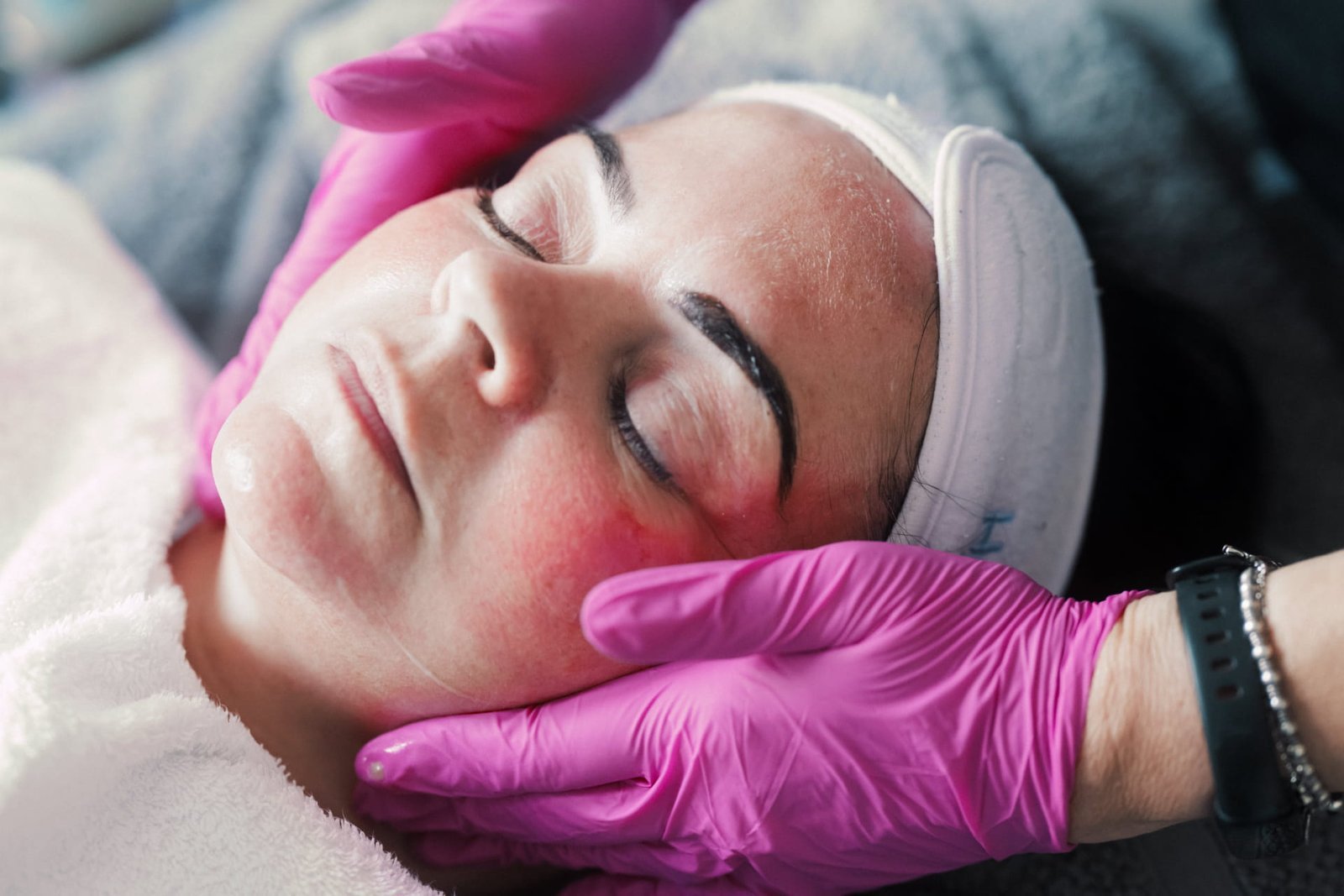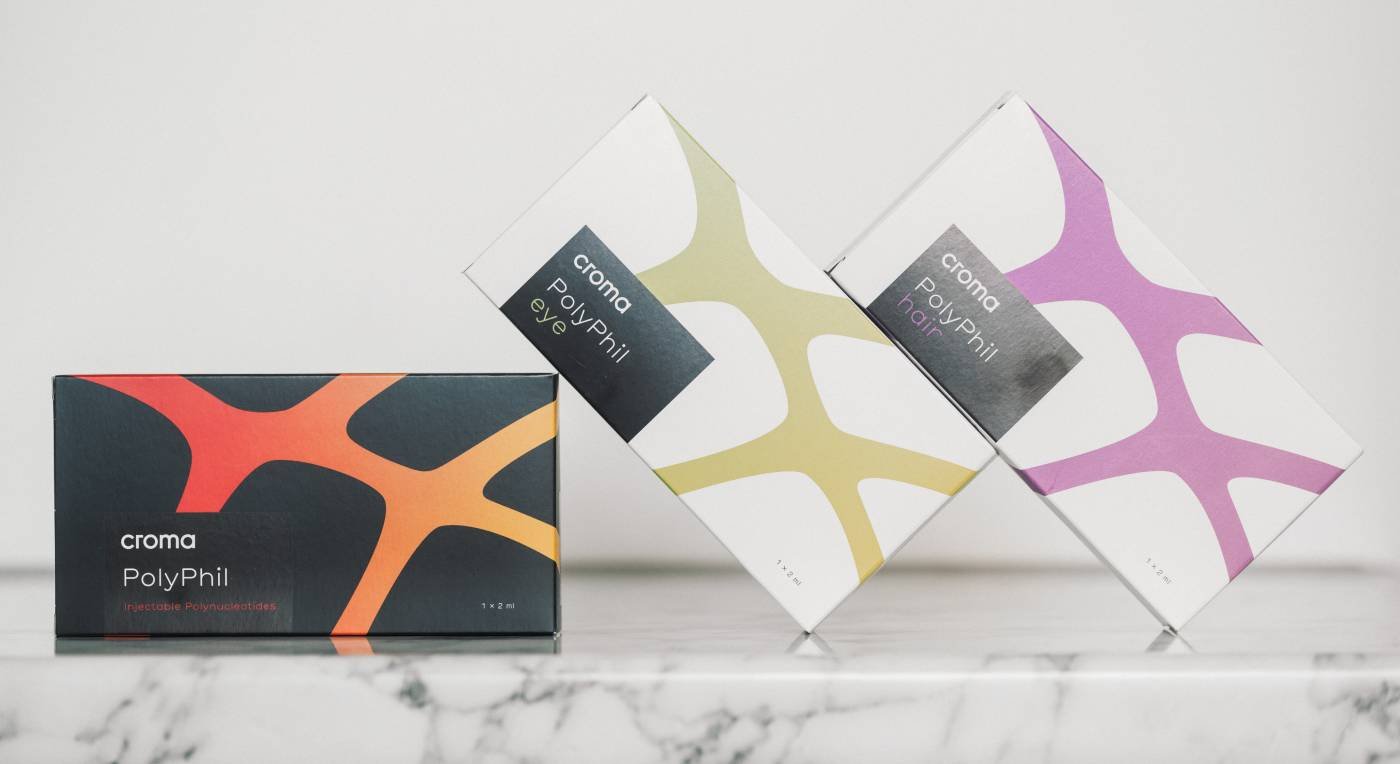
Boxes of Croma PolyPhil injectable polynucleotides inlcuding for eyes and hair.

Polynucleotides: The Next Generation of Skin Regeneration

The approach to skin health is evolving, and Polynucleotides are right at the heart of that change. 

While quick fixes and surface-level treatments have their place, the real transformation comes from treatments that work at a cellular level to improve your skin from within.

What Are Polynucleotides and Why Are They Trending?

Polynucleotides are chains of nucleotides, the essential building blocks of DNA [1]. In aesthetic medicine, they are most often derived from fragments of salmon or trout DNA. They are carefully selected for their close similarity to human DNA and their compatibility with skin tissue [4][6]

These DNA fragments are purified to remove components that could trigger an immune response, ensuring they’re safe and well-suited for aesthetic treatments [6].

Backed by years of research and decades of use in medical fields worldwide, Polynucleotides represent a science-driven shift in how we approach anti-ageing treatments. 

Originally, they were used in areas such as wound healing, ophthalmology, and orthopaedics because of their strong ability to work naturally with human tissue and support repair [2]. Now, supported by this extensive clinical data, they are becoming a leading choice in medical aesthetics in Hamilton and across the UK [6][10].

This shift is driven by the aesthetics industry’s recognition of Polynucleotides’ ability to encourage regeneration at a cellular level and provide long-term collagen stimulation [3].

The Science Behind Polynucleotides

Once injected, Polynucleotides get to work on multiple levels to improve skin health.
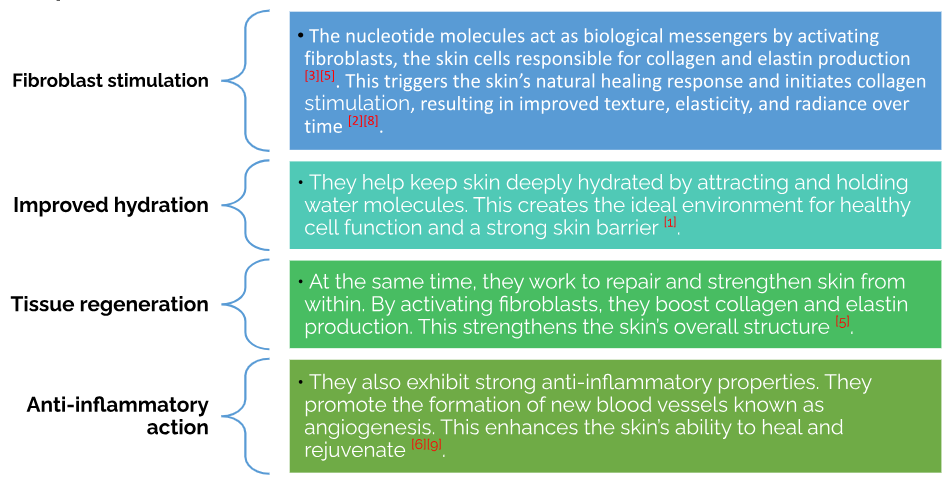
Because they target multiple aspects of skin health, Polynucleotides are classed as regenerative injectables, offering results that go far beyond basic hydration [4]. This combination of benefits makes Polynucleotides an ideal choice for patients seeking a more regenerative approach to anti-ageing treatments.

What Skin Concerns Do Polynucleotides Treat?
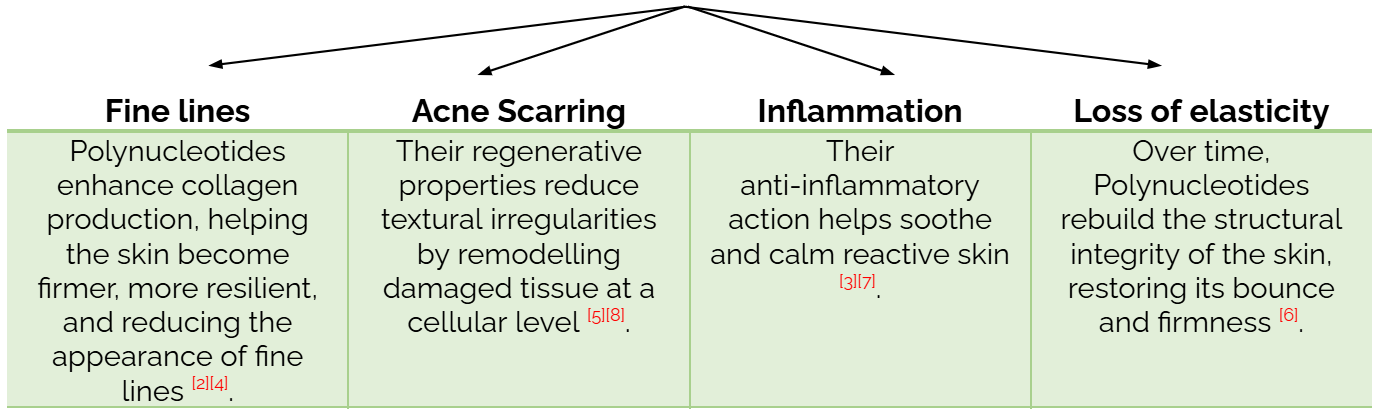
Unlike quick-fix solutions, Polynucleotides are designed for individuals seeking to enhance their skin’s function and health. Some of the most common conditions they address include:

For patients looking to invest in the long-term health of their skin, Polynucleotides treatment at our Hamilton clinic offers more than just surface-level improvements.

Their gentle yet effective action makes it particularly suited to delicate areas such as under the eyes or around the mouth, places where traditional skin boosters or fillers may be less effective [1].

Polynucleotides vs Skin Boosters: What’s the Difference?

While skin boosters and Polynucleotides both aim to improve skin quality, they work in fundamentally different ways.

Skin BoostersPolynucleotides
They are hyaluronic acid-based injectables that improve hydration by drawing moisture into the skin [4][8].They encourage the skin to regenerate from within by activating fibroblasts and stimulating collagen production [5][6].
Results are visible within days.Results develop gradually and subtly over time.
Shorter-lived results.Longer-lasting and regenerative results.
They are best for patients wanting quick hydration and a dewy glow.They are best for patients seeking sustainable anti-ageing treatments and improved skin health.

For this reason, many practitioners now use Polynucleotides either as an alternative to skin boosters or in combination with them. At our Hamilton clinic, we often create treatment plans that pair the two. This gives the skin an immediate boost in radiance while supporting the skin’s long-term health and quality.
Dr. Lauren consulting her patient on which aesthetic treatment will suit her the most.
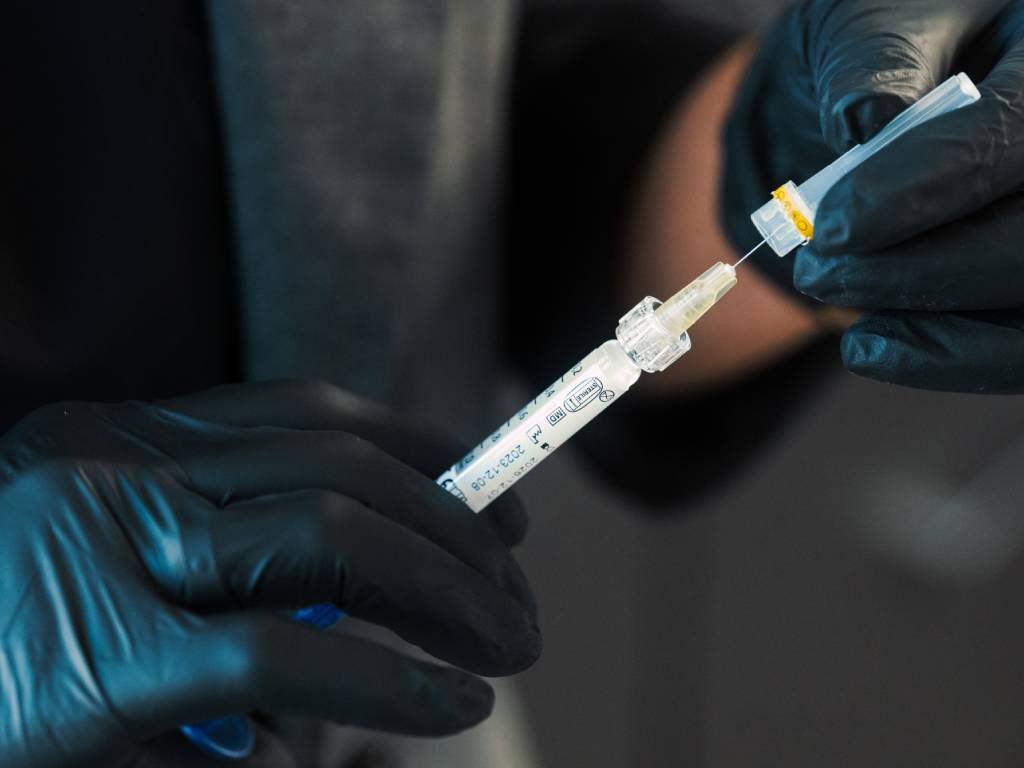
Dr. Lauren prepping a syringe with polynucleotides to be used on her patient's face.

What to Expect from Treatment

At Dr Lauren’s medical aesthetic clinic in Hamilton, every treatment starts with a detailed consultation. We’ll discuss your skin concerns, review your medical history, and understand your goals. This allows us to recommend the safest and most effective approach for long-lasting results, whether that’s Polynucleotides or another treatment tailored just for you.

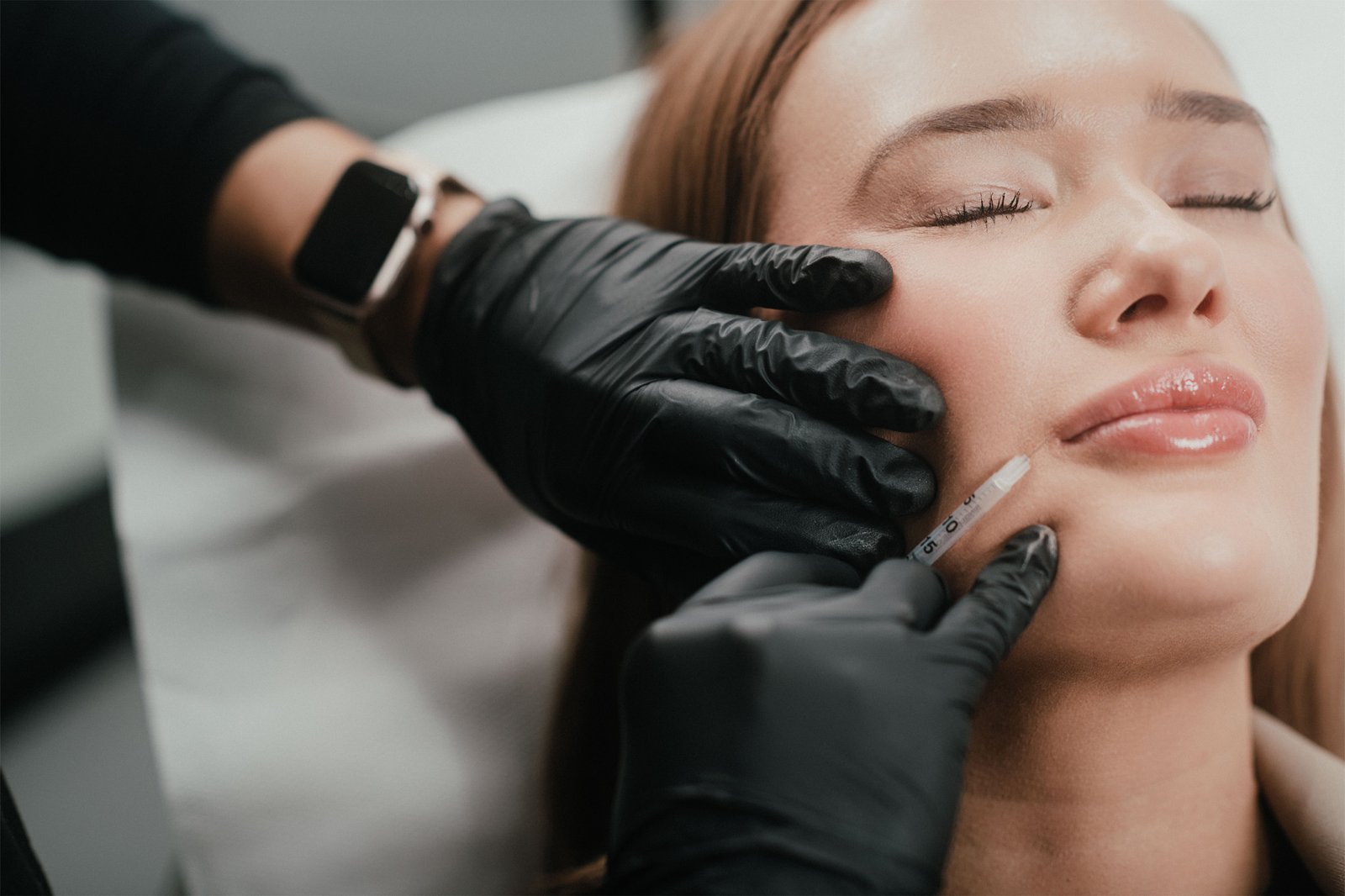
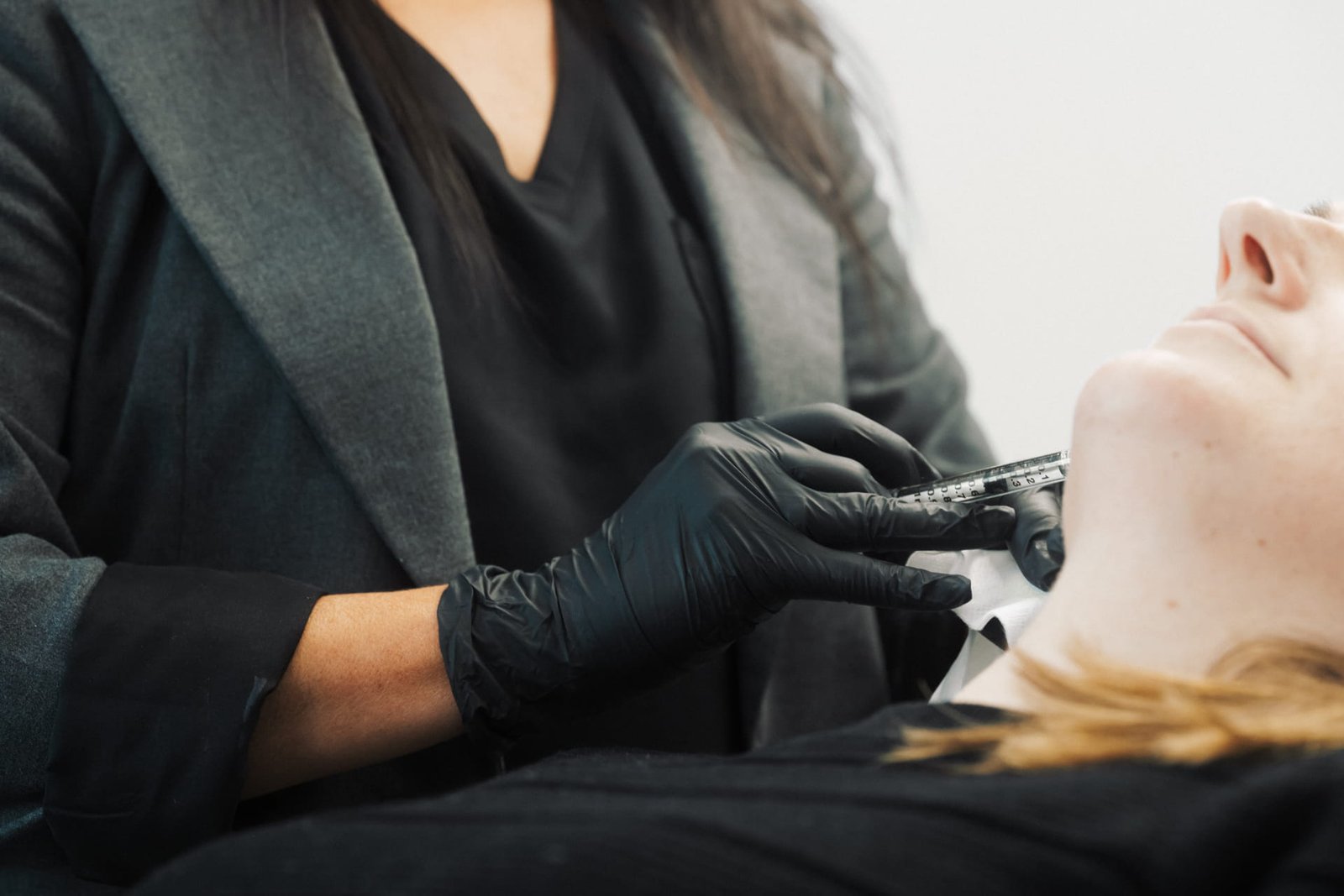
The treatment is quick and generally well-tolerated. It involves a series of micro-injections into targeted areas such as the face, neck, or under-eye region [4][9]. These injections are typically placed in a grid-like pattern to ensure even distribution, and a topical anaesthetic is applied beforehand to minimise discomfort [1][3].

 A typical treatment plan involves a course of three sessions spaced 2–3 weeks apart, followed by maintenance treatments every 6–9 months to maintain results [2][4][7].

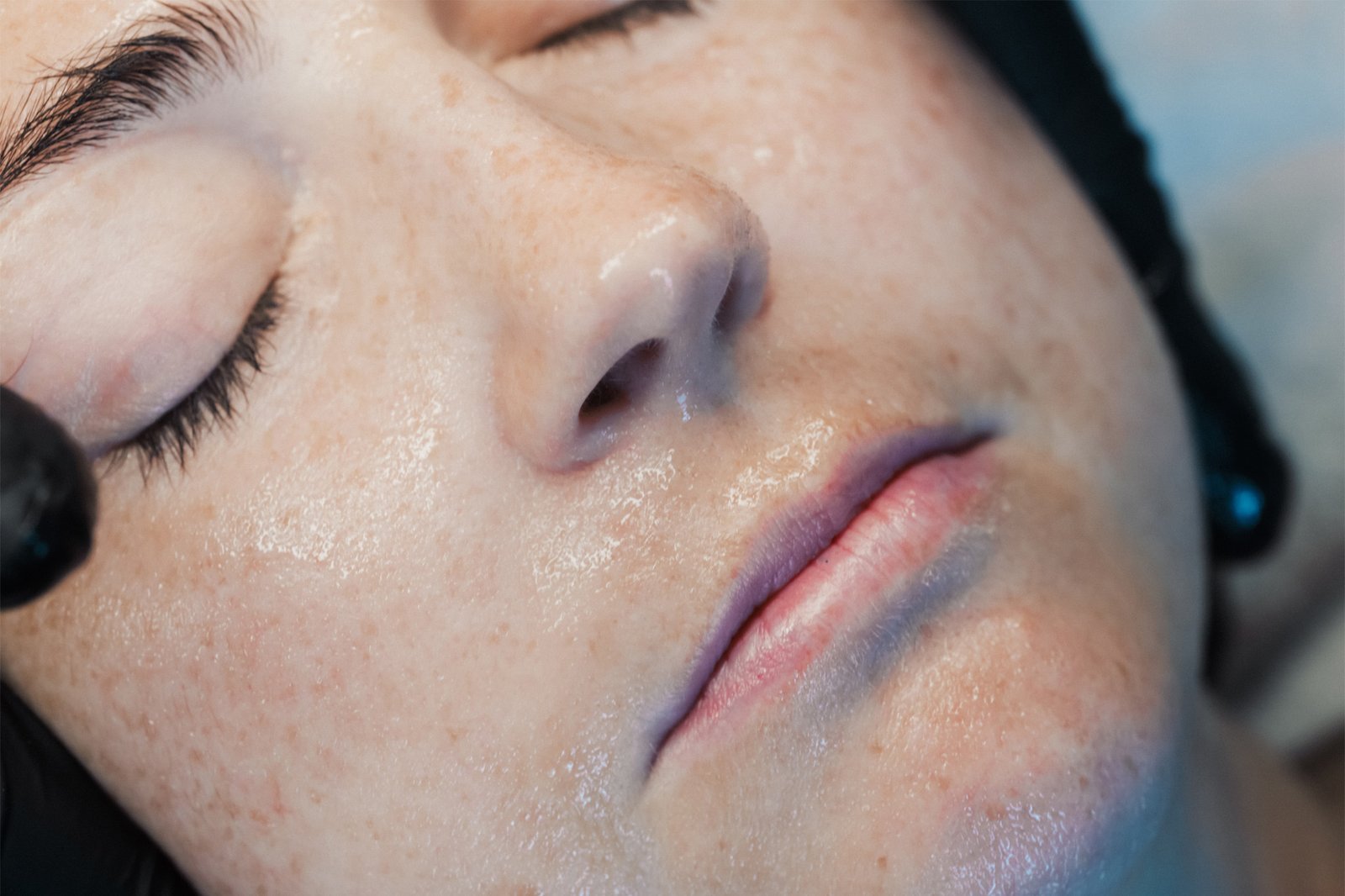
The downtime of this treatment is minimal, with most patients experiencing only mild swelling, redness, or occasional pinpoint bruising at the injection sites [1][6]. This typically resolves within 24–48 hours. 

Differing from more invasive treatments, Polynucleotides allow for a quick return to normal activities while delivering gradual, natural-looking results [8][10].

Unlike skin boosters that deliver instant hydration, the effects of Polynucleotides develop gradually over several weeks as fibroblast activity increases [5]. During this time, the skin becomes smoother, firmer, and more even-toned [6]. Hydration also increases with continued improvements in elasticity and overall texture over the following months [2].

Why Dr Lauren Offers Polynucleotides in Hamilton

At Dr Lauren’s medical aesthetic clinic, we believe great skin starts with regeneration, and with increasing interest in science-backed anti-ageing treatments, introducing Polynucleotides at our Hamilton clinic was a natural step. 

Patients who visit our clinic value Dr Lauren’s transparent consultations, clear aftercare guidance, and unwavering commitment to safe, evidence-based care. 

At our clinic, each treatment plan is carefully tailored to achieve visible and meaningful improvements in skin health. All our procedures are carried out by skilled professionals in a medical-grade environment. 

Whether the goal is to address early signs of ageing or to strengthen the skin’s structure at a deeper level, Polynucleotides deliver a targeted, regenerative approach to improving skin quality.

Bibliography

  1. AfterMED Skin. (2025). Will Polynucleotides Work? a Science-Backed Look at the Latest Aesthetic Innovation. [online] Available at:
    https://www.aftermedskin.com/blogs/polynucleotides/will-polynucleotides-work.

  2. Ahmadi, M. (2024). The Efficacy of Polynucleotide Injections in Aesthetic medicine: a Review. The PMFA Journal, 11(4).

  3. DermaFocus. (2025). The Science of Cellular Repair: How Polynucleotides Communicate with Skin Cells. [online] Available at:
    https://dermafocus.co.uk/the-science-of-cellular-repair/.

  4. Hawkins, E. (2024). Polynucleotides: an in-depth Overview of the Newest Addition to Regenerative Injectables. [online] Oakridge Aesthetics. Available at:
    https://www.oakridgeaesthetics.co.uk/post/polynucleotides-an-in-depth-overview-of-the-newest-addition-to-regenerative-injectables.

  5. Lampridou, S., Bassett, S., Cavallini, M. and Christopoulos, G. (2024). The Effectiveness of Polynucleotides in Esthetic Medicine: a Systematic Review. Journal of Cosmetic Dermatology, 24(2). doi:
    https://doi.org/10.1111/jocd.16721.

  6. Lee, K.W.A., Chan, K.W.L., Lee, A., Lee, C.H., Wan, J., Wong, S. and Yi, K.-H. (2024). Polynucleotides in Aesthetic Medicine: a Review of Current Practices and Perceived Effectiveness. International Journal of Molecular Sciences, 25(15), p.8224. doi:
    https://doi.org/10.3390/ijms25158224.

  7. Meyer Clinic. (2024). Exploring Polynucleotides Treatment Options: the Latest in Regenerative Medicine. [online] Available at:
    https://www.meyerclinic.co.uk/polynucleotides-treatment-regenerative/.

  8. Skin Revision. (n.d.). What Are Polynucleotide Treatments and Why Are They the Future of Natural Skin Rejuvenation in the UK? [online] Available at:
    https://skinrevision.uk/what-are-polynucleotide-treatments-and-why-are-they-the-future-of-natural-skin-rejuvenation-in-the-uk/.

  9. The Clinic Cheshire. (n.d.). The Science behind Polynucleotides and Their Role in Skin Rejuvenation. [online] Available at:
    https://thecliniccheshire.co.uk/blog/the-science-behind-polynucleotides-and-their-role-in-skin-rejuvenation/.

  10. The London Dermatology Center. (2025). Polynucleotides in Skin Rejuvenation: What the Latest Research Reveals. [online] Available at:
    https://www.london-dermatology-centre.co.uk/blog/polynucleotides-latest-research/.

Recent Posts

Dr Lauren presenting during the UK press launch of HydroPeptide’s new medical-only line, Reactivate Rx.

HydroPeptide – Reactivate Rx – Press Launch

HydroPeptide – Reactivate Rx – Press Launch On the evening of Tuesday 16 September, some of the UK’s leading beauty journalists gathered beneath the glass ceiling of the Langham’s iconic conservatory to witness something truly special – the UK press launch of HydroPeptide’s new medical-only line: Reactivate Rx. This next-generation

Read More »
Dr Lauren with other medical aesthetics' professionals at the HydroPeptide Global Summit 2025.

HydroPeptide Global Summit 2025

HydroPeptide Global Summit 2025 This September, I had the absolute privilege of travelling to Miami for the HydroPeptide Global Summit – three incredible days dedicated to product innovation, strategic collaboration, and the long-awaited launch of the Reactivate Rx medical line, more than a year in the making. Held in the

Read More »
A close-up of a patient's face with rosacea.

Rosacea: Redness, Sensitivity & What Really Works

For many people, rosacea starts with a little redness; a faint flush across the cheeks or nose that doesn’t quite fade. But as the days pass and triggers build, that flush can deepen into lasting inflammation, sensitivity, and emotional stress.  If you’re suffering with rosacea, you know it’s more than

Read More »
A close-up of a patient's face with pigmentation.

Pigmentation: Why It Happens – And What Actually Helps

If you’re dealing with pigmentation (those patches, spots, or uneven areas on your skin)you’re definitely not alone.  In fact, pigmentation is one of the most common concerns we see in The Skin Suite, especially among patients looking for pigmentation treatment in Hamilton. It’s not just a cosmetic issue.  For many,

Read More »
Dr. Lauren consulting with her patient on which medical aesthetic treatment will suit her the most.

Medical Aesthetics: A Modern Medical Specialty with Deep Roots

In the ever-evolving world of healthcare, few fields have seen such a rapid yet grounded evolution as medical aesthetics. Often dismissed as a passing trend, this specialty is, in fact, a dynamic intersection of science, artistry, and medicine.  In Hamilton, the rise of trusted, medically-led aesthetic clinics marks a new

Read More »
Dr. Lauren assessing which aesthetic treatment will help her patient's skin the most.

Thinking About Aesthetic Treatments? Here’s What to Ask Yourself First

In today’s image-saturated world, aesthetic treatments are more common than ever.  From celebrities sharing their skincare routines to everyday people documenting their glow-up journeys, it’s clear that interest in aesthetics has grown rapidly – especially in places like Hamilton, where modern clinics and skilled professionals make treatment more accessible than

Read More »