One of the most persistent questions in skincare today is: does SPF cause cancer?
With social media videos, alarming headlines and conflicting opinions circulating online, it is understandable that many people feel uncertain about the products they apply to their skin every day.
The short answer is no.
Current scientific evidence does not support the claim that approved sunscreens cause cancer.
In fact, the opposite is true. UV damage caused by exposure to the sun is a well-established cause of skin cancer, while sunscreen is recognised as an important tool for skin cancer prevention.
In this article, we will explore the evidence behind some of the most common sunscreen myths, explain the differences between chemical and mineral sunscreens, and discuss why wearing daily SPF remains one of the simplest and most effective ways to protect your skin.
Where did this myth come from?
The question: does sunscreen cause cancer has become increasingly common over recent years. Much of this concern stems from social media discussions, isolated research findings taken out of context and misleading headlines that can easily be misunderstood.
Why SPF has become a topic of debate
Several studies have investigated how certain sunscreen ingredients are absorbed through the skin. While some ingredients can be detected in the bloodstream after repeated application, this does not mean they are harmful or linked to cancer.
Regulatory agencies routinely evaluate sunscreen safety using extensive toxicological data before approving ingredients for public use.
Unfortunately, complex scientific findings are often simplified into alarming headlines that suggest risk where none has been demonstrated.
The influence of social media
Social media platforms frequently reward sensational content, making dramatic claims spread faster than balanced scientific explanations.
Common misconceptions include:
- “Chemical sunscreen causes cancer.”
- “Natural products are always safer.”
- “Mineral sunscreen is the only safe option.”
- “Avoiding sunscreen allows the body to detox.”
These statements are not supported by the current body of scientific evidence.
Separating evidence from misinformation
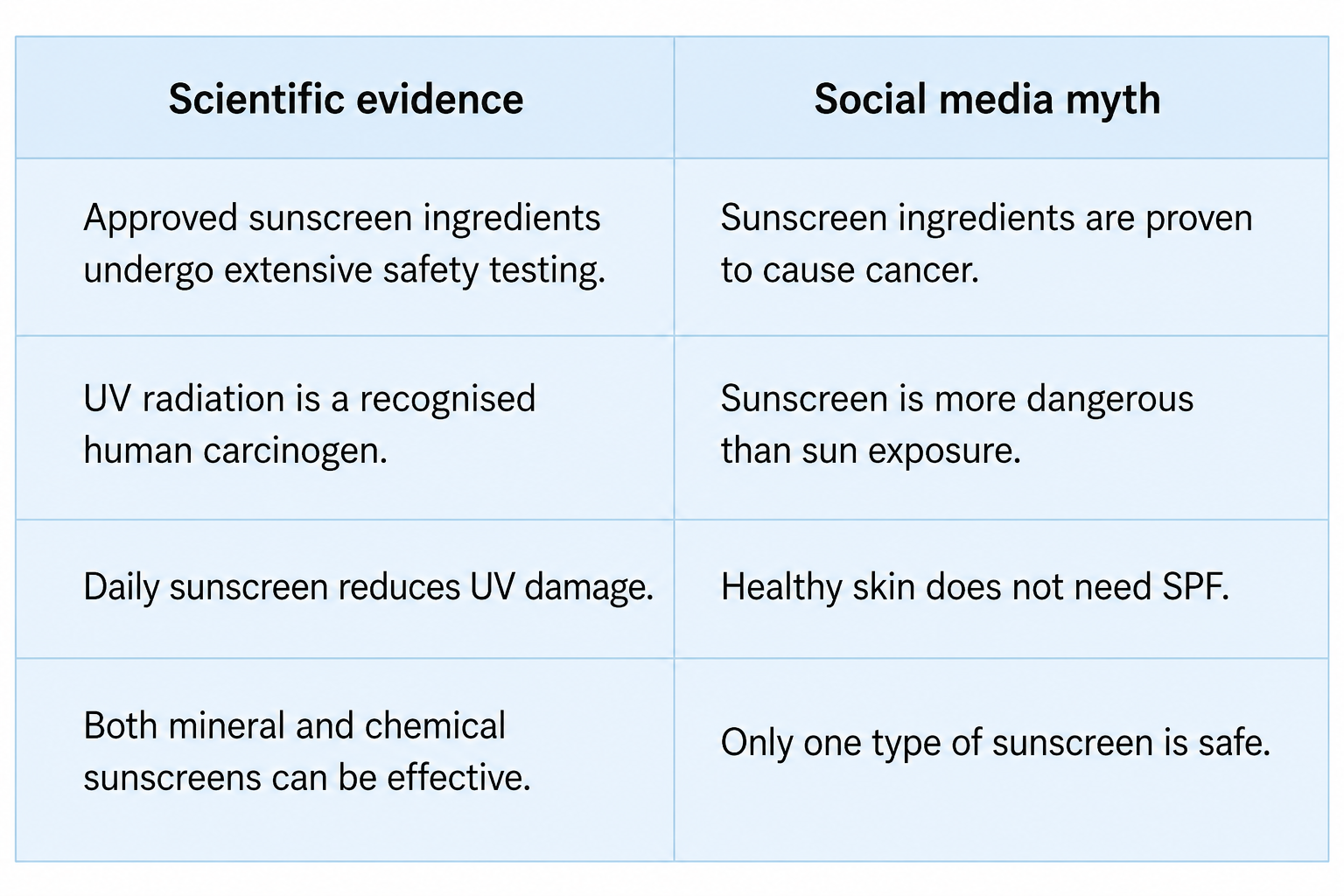
When evaluating health advice online, it is important to consider the quality of the evidence rather than the popularity of the claim.
What does the research actually say?
The evidence surrounding that is SPF safe is reassuring.
Health authorities around the world (including dermatology organisations and regulatory agencies) continue to recommend sunscreen as part of comprehensive sun protection.
Approved sunscreen ingredients are carefully regulated
Every approved sunscreen ingredient must undergo extensive safety assessments before reaching consumers.
Researchers continue monitoring products as new evidence becomes available, allowing recommendations to evolve alongside scientific understanding.
This ongoing review process is one reason sunscreen remains one of the most studied skincare products available.
UV radiation is the proven risk
Unlike speculation surrounding sunscreen, the harmful effects of ultraviolet radiation are firmly established.
Excessive UV damage contributes to:
- DNA damage
- premature skin ageing
- pigmentation changes
- weakened skin structure
- development of skin cancers
Unlike sunscreen concerns, this relationship has been consistently demonstrated over decades of research.
Risk comparison
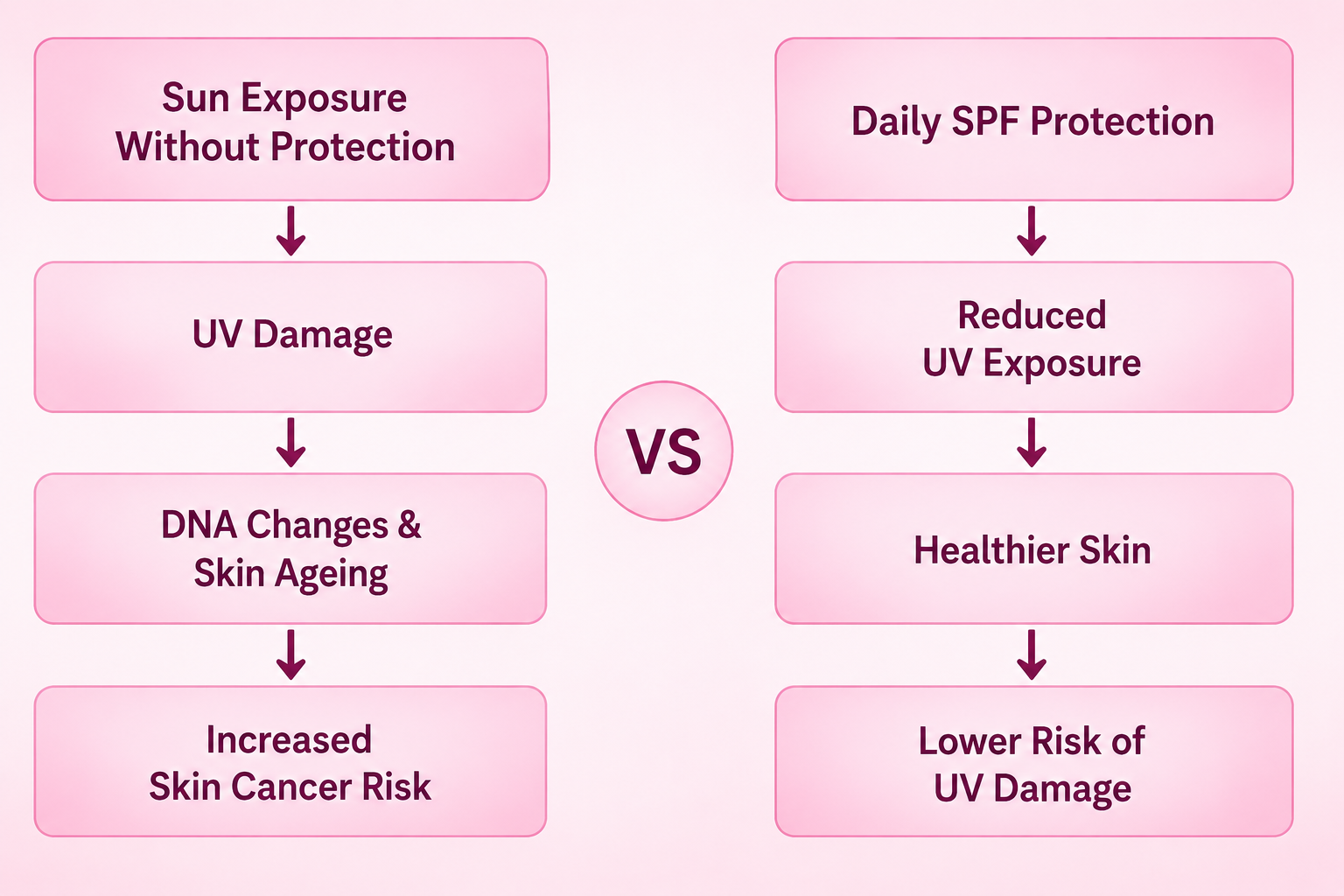
The evidence consistently shows that the risks associated with avoiding sunscreen far outweigh any theoretical concerns surrounding approved products.
Chemical vs mineral sunscreens
Another source of confusion involves the differences between chemical and mineral sunscreens.
Understanding how they work helps answer the question: is sunscreen safe more clearly.
Chemical sunscreens
Chemical sunscreens contain ingredients that absorb ultraviolet radiation before it damages the skin.
Modern formulations are:
- lightweight
- cosmetically elegant
- easy to apply
- suitable for daily wear
Despite online claims, approved chemical filters have not been shown to cause cancer when used as directed.
Mineral sunscreens
Mineral sunscreens typically contain zinc oxide or titanium dioxide.
They work primarily by reflecting and scattering ultraviolet radiation, while also absorbing some UV energy.
These formulations are often recommended for:
- sensitive skin
- children
- patients recovering from certain procedures
Which is better?
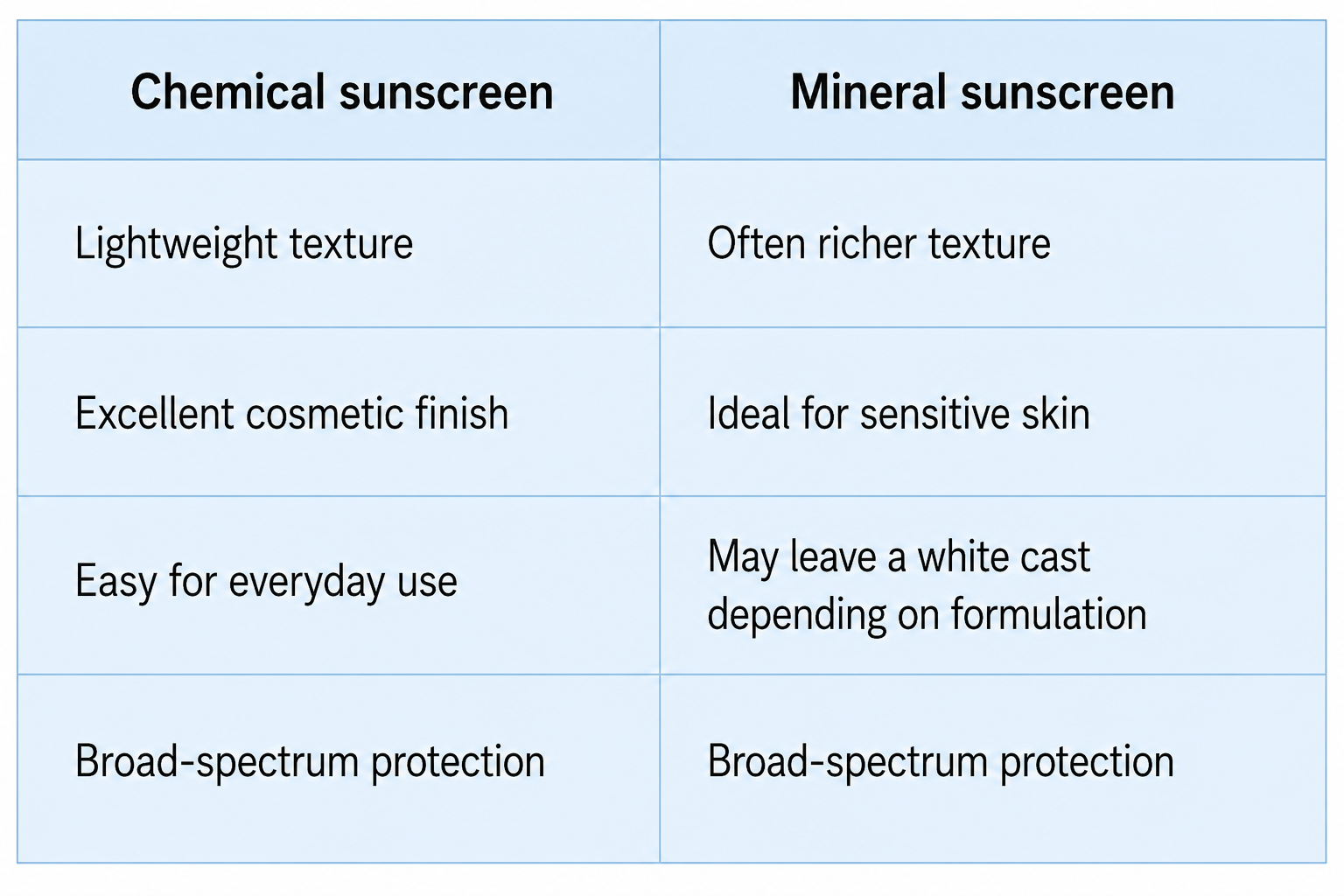
Both play an important role in protecting skin.
The best choice depends on individual preferences, skin type and lifestyle.
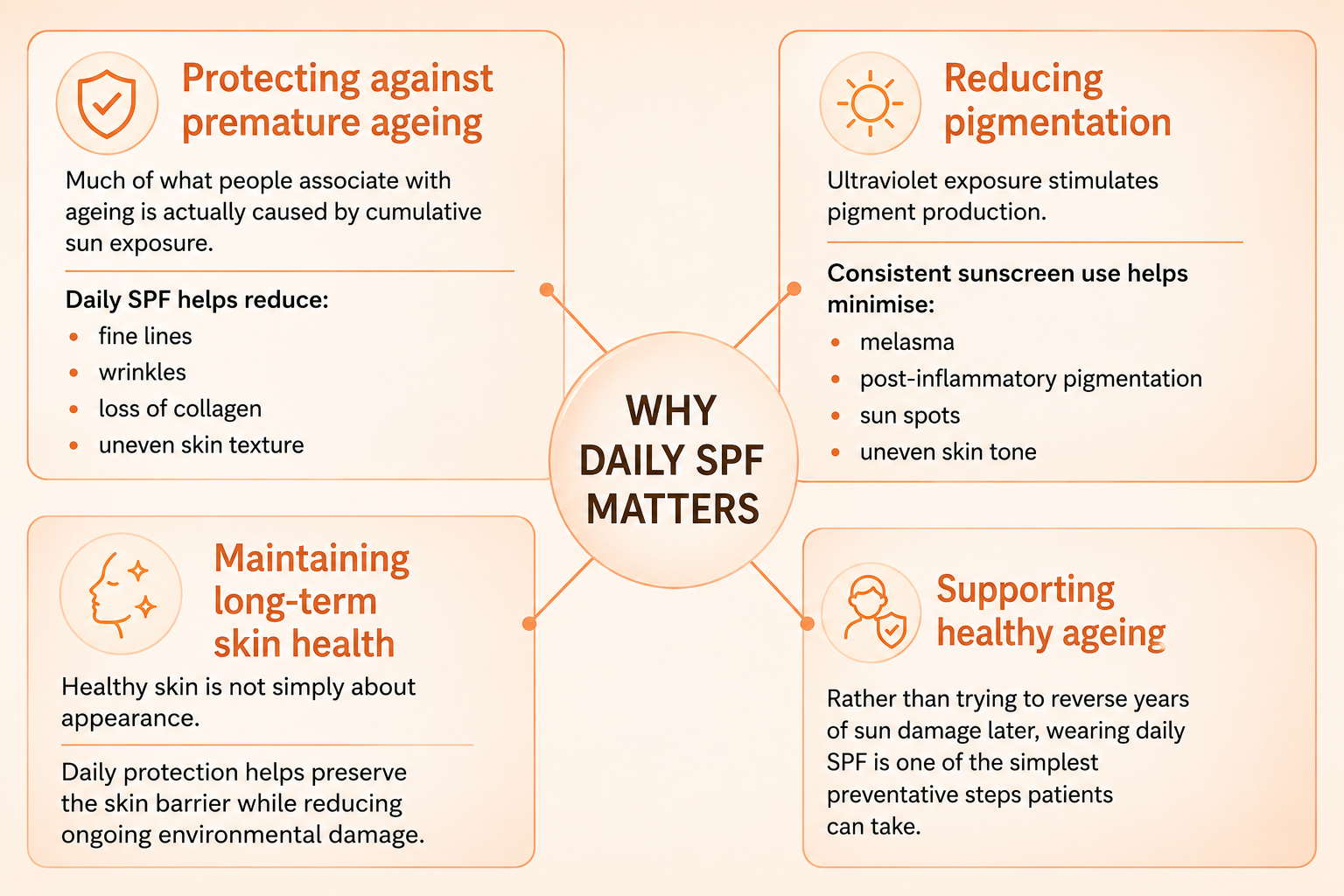
Why daily SPF matters
Whether the concern is ageing or skin cancer prevention, consistent sunscreen use delivers measurable benefits.
Choosing an SPF you’ll actually wear
The most effective sunscreen is not necessarily the one with the highest SPF rating.
It is the one you enjoy wearing every day.
Consistency matters most
Even the best sunscreen offers little benefit if it remains unused in a bathroom cupboard.
When choosing an SPF, consider:
- comfortable texture
- compatibility with makeup
- broad-spectrum protection
- suitable finish for your skin type
Comfort encourages consistency.

HydroPeptide SPF
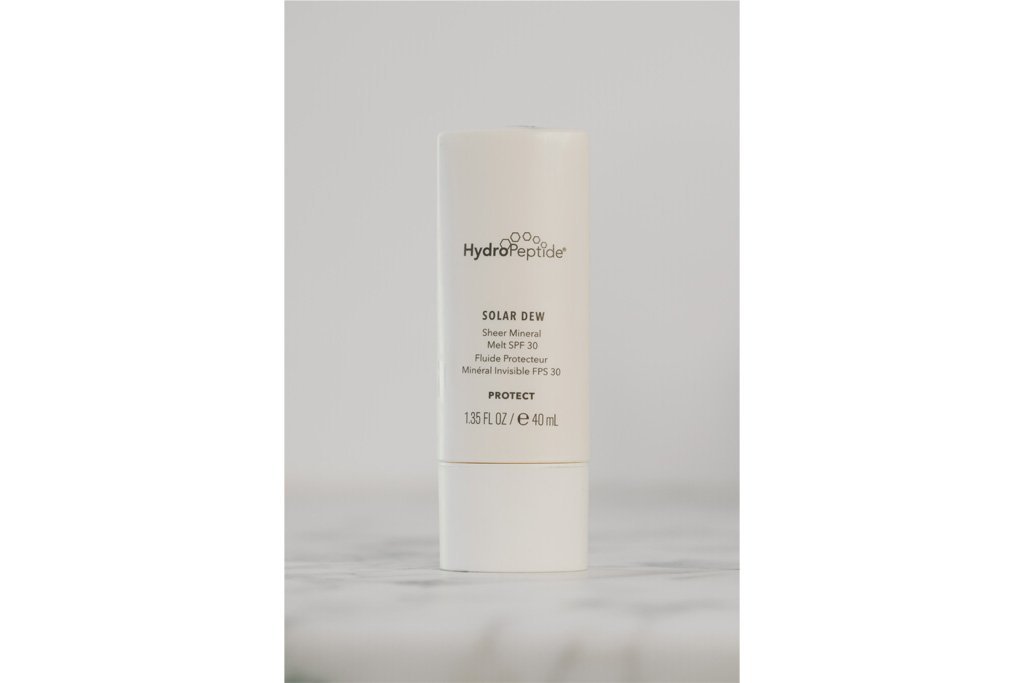
At the clinic, Dr Lauren often recommends the HydroPeptide SPF range because these formulations combine effective sun protection with elegant textures that patients genuinely enjoy wearing.
Many people avoid sunscreen because products can feel greasy, heavy or leave a noticeable white residue.
Modern medical-grade SPF products are designed to overcome these concerns, making daily use much easier.
When sunscreen feels comfortable, long-term compliance naturally improves.
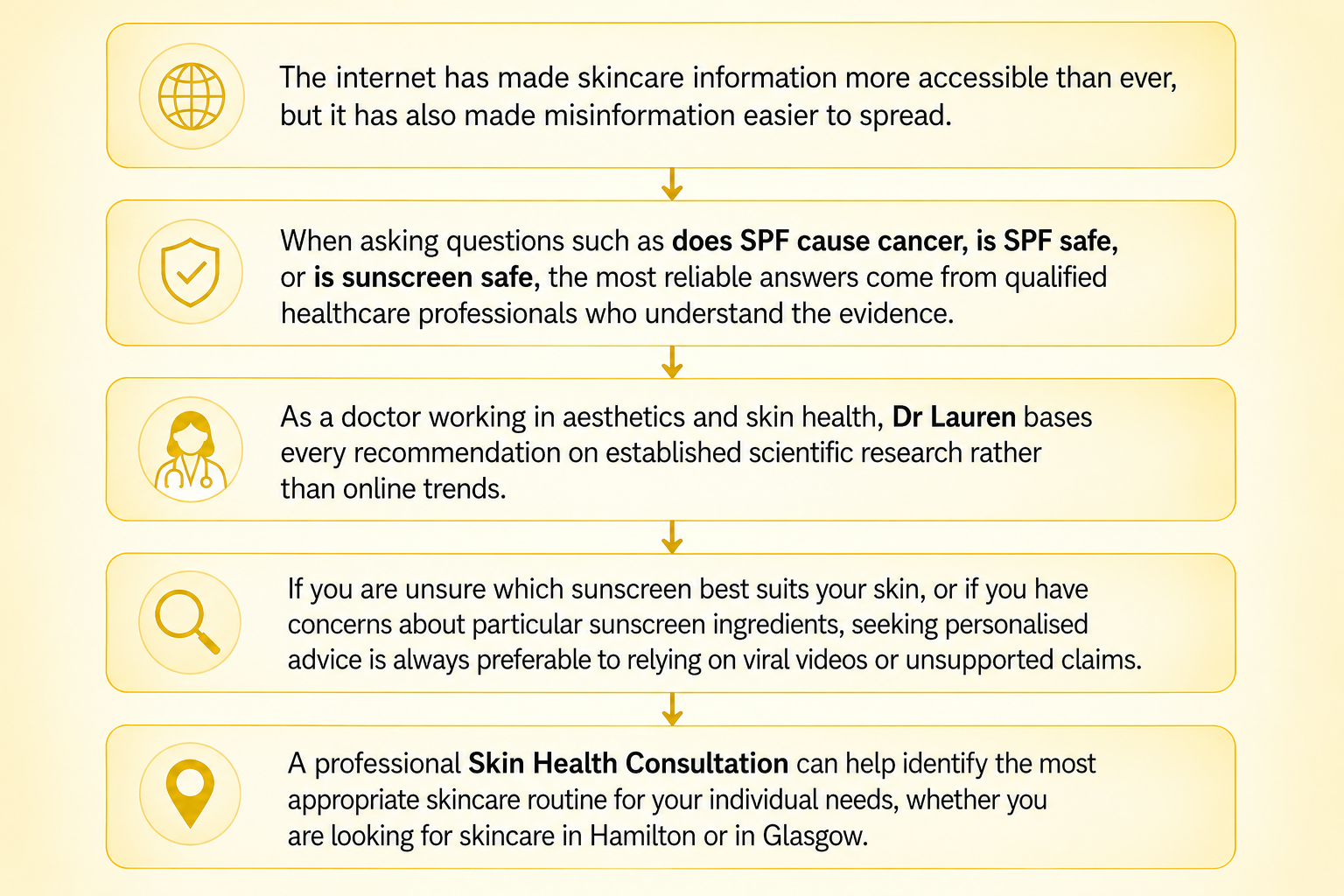
Trust science, not social media
Conclusion
The belief that sunscreen causes cancer is one of the most enduring sunscreen myths, but it is not supported by current scientific evidence. Approved sunscreen ingredients are carefully regulated, continually monitored and considered safe when used as directed.
In contrast, UV damage is a proven cause of premature ageing and skin cancer. Choosing to avoid sunscreen because of misinformation may increase your risk of long-term skin damage rather than reduce it.
Whether you prefer chemical or mineral formulations, the key is finding a sunscreen you are happy to wear every day.
Products such as the HydroPeptide SPF range make this easier by combining high-quality protection with elegant, comfortable formulations that encourage daily use.
Have questions about SPF or your skin?
Book your FREE Skin Health Consultation with Dr Lauren for expert, evidence-based advice on protecting your skin, choosing the right SPF and building a personalised skincare plan that supports healthy skin for years to come.
Bibliography:
- Reuters Fact Check – 2026 – Fact Check: UK study does not show sunscreen use causes cancer [online] Available at:
https://www.reuters.com/fact-check/uk-study-does-not-show-sunscreen-use-causes-cancer-2026-07-03/ - Tori Rodriguez – 2026 – Trending Sun Protection Myths: Addressing Misinformation in Clinical Practice [online] Available at:
https://www.dermatologyadvisor.com/features/myths-about-sun-protection/ - Emily Kelleher – 2026 – Sunscreen and Breast Cancer Risk: What You Need to Know [online] Available at:
https://www.breastcancer.org/risk/risk-factors/exposure-to-chemicals-in-sunscreen - Skin Cancer Foundation – 2026 – Skin Cancer Myths & Misinformation [online] Available at:
https://www.skincancer.org/risk-factors/skin-cancer-myths-misinformation/ - CDC – 2026 – Sun Safety Facts [online] Available at:
https://www.cdc.gov/skin-cancer/sun-safety/index.html - Naples Dermatology – 2025 – Does Sunscreen Cause Cancer? The Science Behind the Debate [online] Available at:
https://www.naplesdermatologyandskincancer.com/blog/does-sunscreen-cause-cancer