In the ever-evolving world of healthcare, few fields have seen such a rapid yet grounded evolution as medical aesthetics. Often dismissed as a passing trend, this specialty is, in fact, a dynamic intersection of science, artistry, and medicine.
In Hamilton, the rise of trusted, medically-led aesthetic clinics marks a new chapter in how we view self-care; one rooted not in vanity, but in wellness and confidence.
At its core, medical aesthetics in Hamilton isn’t about chasing perfection. It’s about evidence-based treatments that help individuals look and feel like the best version of themselves, all within a medically regulated environment. And while the field may feel modern and sleek, its roots go far deeper than many realise.
Why Medical Aesthetics Is More Than a Trend
The Origins of Aesthetic Medicine
Though today’s treatments may involve high-tech lasers and MHRA-approved injectables, the roots of aesthetic medicine stretch back centuries.
Many of the field’s foundational practices emerged from reconstructive surgery techniques developed during times of war. Surgeons who treated traumatic injuries on the battlefield brought their expertise home, applying similar principles to cosmetic concerns.
Military medicine played a significant role in refining wound healing, scar revision, and tissue repair; procedures that would later influence aesthetic practices.
Likewise, Dermatology has long been a medical specialty focused not only on disease but on the health and appearance of the skin. It’s this dual perspective (function and form) that underpins modern medical aesthetics.
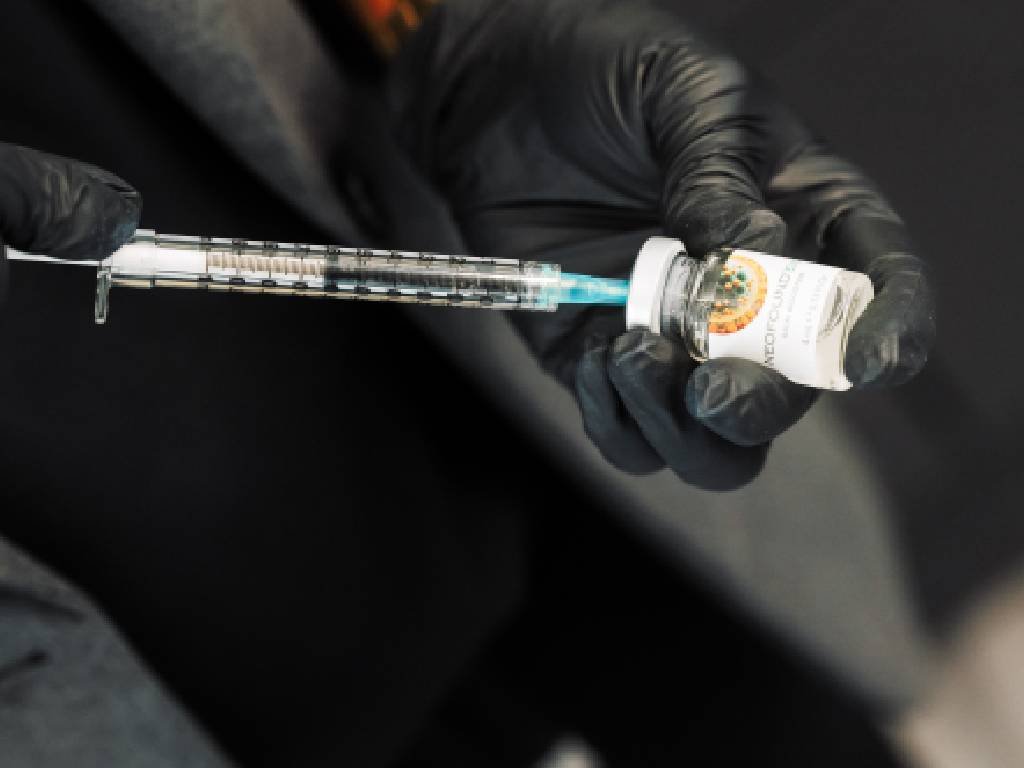
One particularly compelling example of the field’s evolution is the Botox origin story. Long before it was used to smooth frown lines, botulinum toxin was studied for its therapeutic applications in neurology and ophthalmology.
In fact, its cosmetic benefits were discovered somewhat accidentally, when patients receiving injections for eye spasms noted improvements in facial wrinkles. Thus began the history of injectables; not in a beauty salon, but in a clinical setting.
The Rise of Injectables & Non-Surgical Solutions
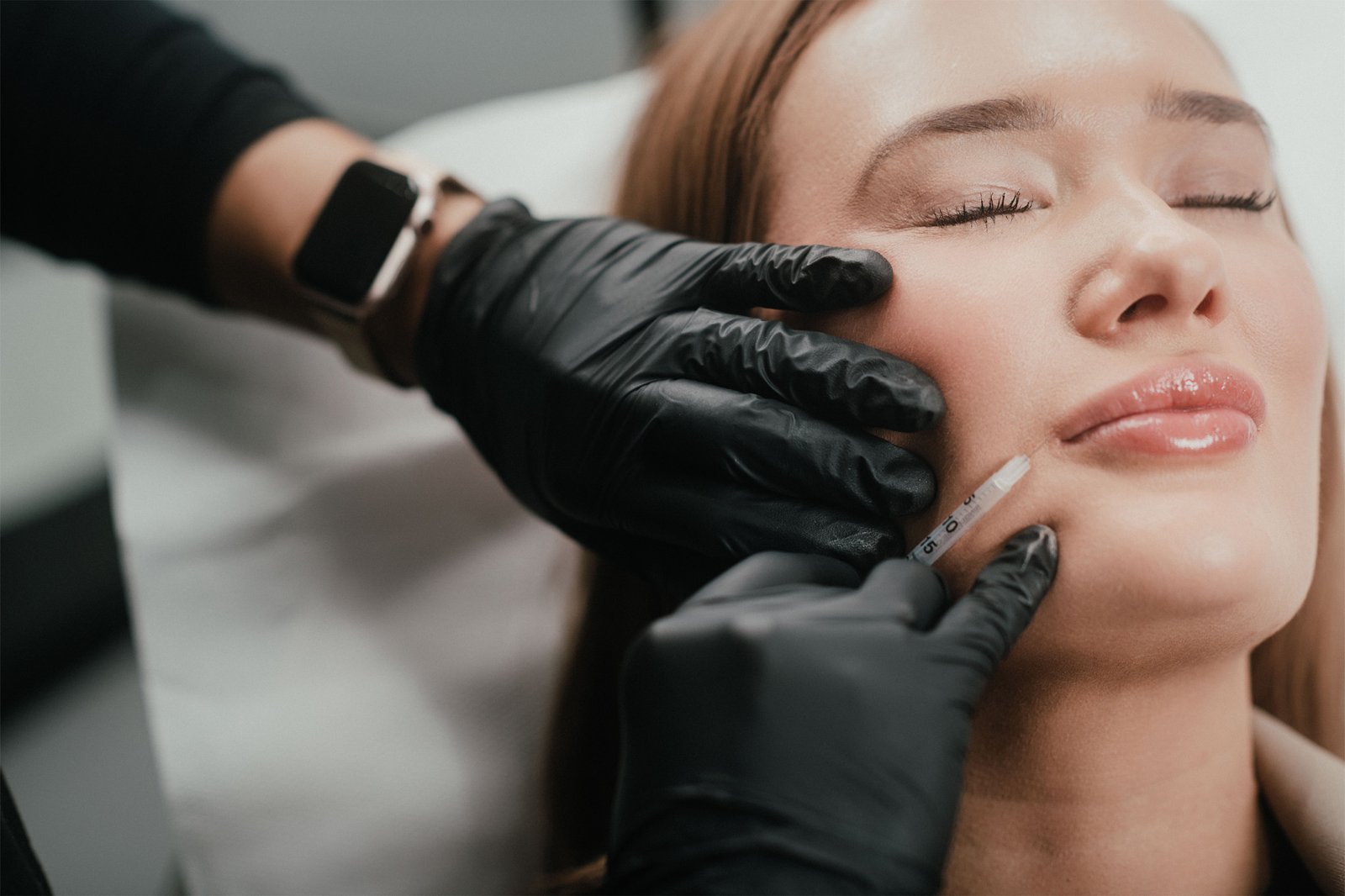
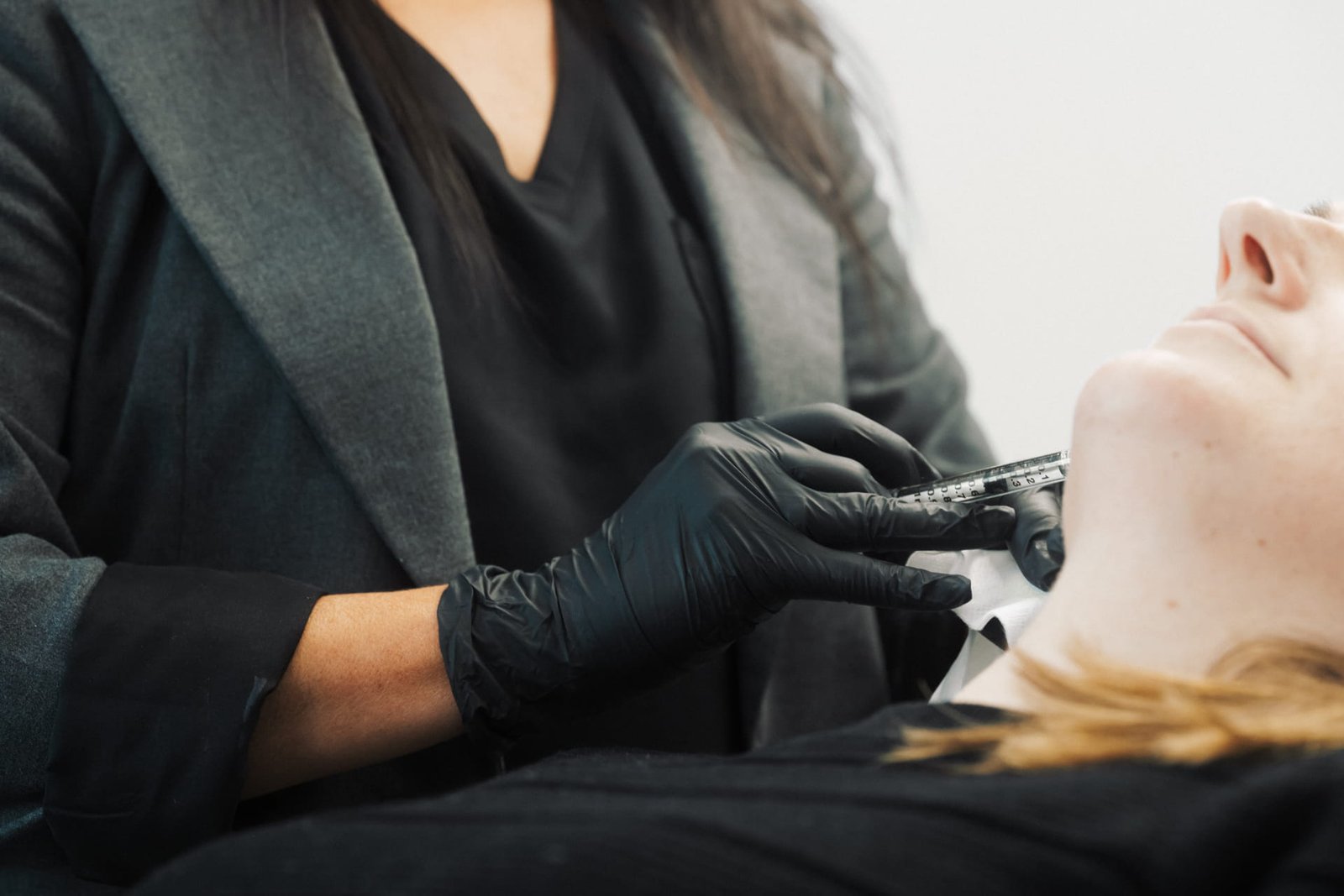
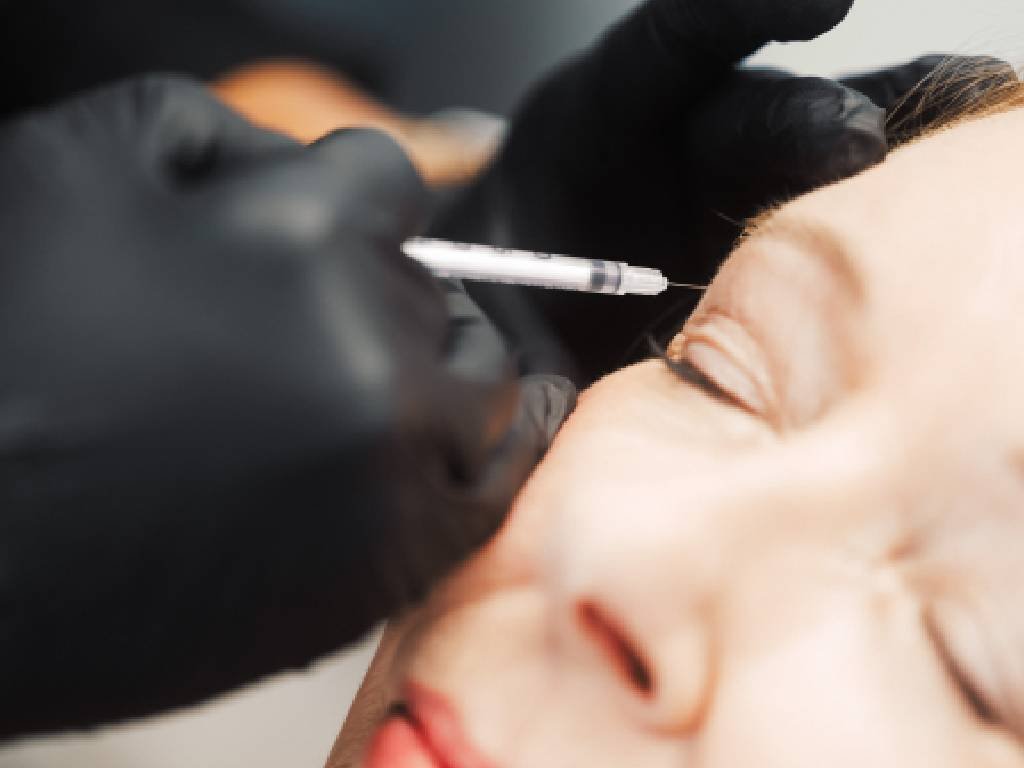
The introduction of Botox in the late 1980s for cosmetic use marked a turning point. Soon after, dermal fillers (made from biocompatible substances like hyaluronic acid) entered the scene, offering volume restoration and facial contouring without surgery.
Over time, both product development and regulatory oversight have matured significantly. In the UK, The Medicines and Healthcare products Regulatory Agency (MHRA) plays a vital role in ensuring that products meet rigorous safety standards before entering the market.
Advancements in formulation and delivery methods have made today’s injectables not only more effective, but also more predictable and reversible when administered properly.
This shift toward non-surgical solutions has made medical aesthetics more accessible and appealing to a broader demographic. It’s no longer just about anti-aging; patients now seek treatments for acne scarring, pigmentation, hair restoration, and preventative care. The focus has become holistic and personalised.
Where We Are Now
Today, medical aesthetics in Hamilton is practiced at a highly professional level, thanks to ongoing developments in training, regulation, and technology. The field is supported by recognised professional bodies that set the standards for care, continuing education, and scope of practice.
Safety standards are non-negotiable. Clinics are required to adhere to medical protocols that include sterile technique, informed consent, emergency preparedness, and detailed patient documentation. Aesthetic clinicians must have a deep understanding of facial anatomy, pharmacology, and potential complications.
Training pathways vary by province, but in Ontario, medical aesthetic providers are typically physicians, nurse practitioners, or registered nurses with advanced certifications. Reputable clinics invest heavily in education; not only for their team but for the benefit of their patients.
Importantly, the field is moving toward greater ethical aesthetics; an approach that emphasises honesty, natural results, and long-term patient well-being. It’s about saying “no” when necessary, and prioritising health over trends.
What Sets a True Medical Aesthetic Clinic Apart
In a crowded marketplace, how can patients distinguish between quality care and cosmetic marketing? It starts with qualifications. A true medical aesthetic clinic is led by experienced healthcare professionals with formal credentials and a clear commitment to ongoing learning.
Next is the approach to patient care.
A trustworthy clinic prioritises consultation, education, and realistic outcomes. Treatment plans should be customised, conservative, and supported by medical rationale. There’s a profound difference between offering treatments and practicing medicine; and the latter always begins with the patient’s overall well-being in mind.
Finally, the hallmark of a reputable clinic is its dedication to continuous learning.
This includes staying abreast of new technologies, techniques, and clinical research. In an industry that evolves rapidly, stagnation is not an option.
Dr. Lauren’s Role in Today’s Landscape
In Hamilton, Dr. Lauren represents the ideal fusion of medical expertise, ethical leadership, and aesthetic insight. With over a decade of experience in medicine, she brings the clinical rigor of a physician to every consultation and treatment she provides.
Her role as a teacher and mentor in the field further elevates the standard of care. By training the next generation of aesthetic professionals, Dr. Lauren ensures that the values of integrity, empathy, and evidence-based practice continue to guide the industry forward.
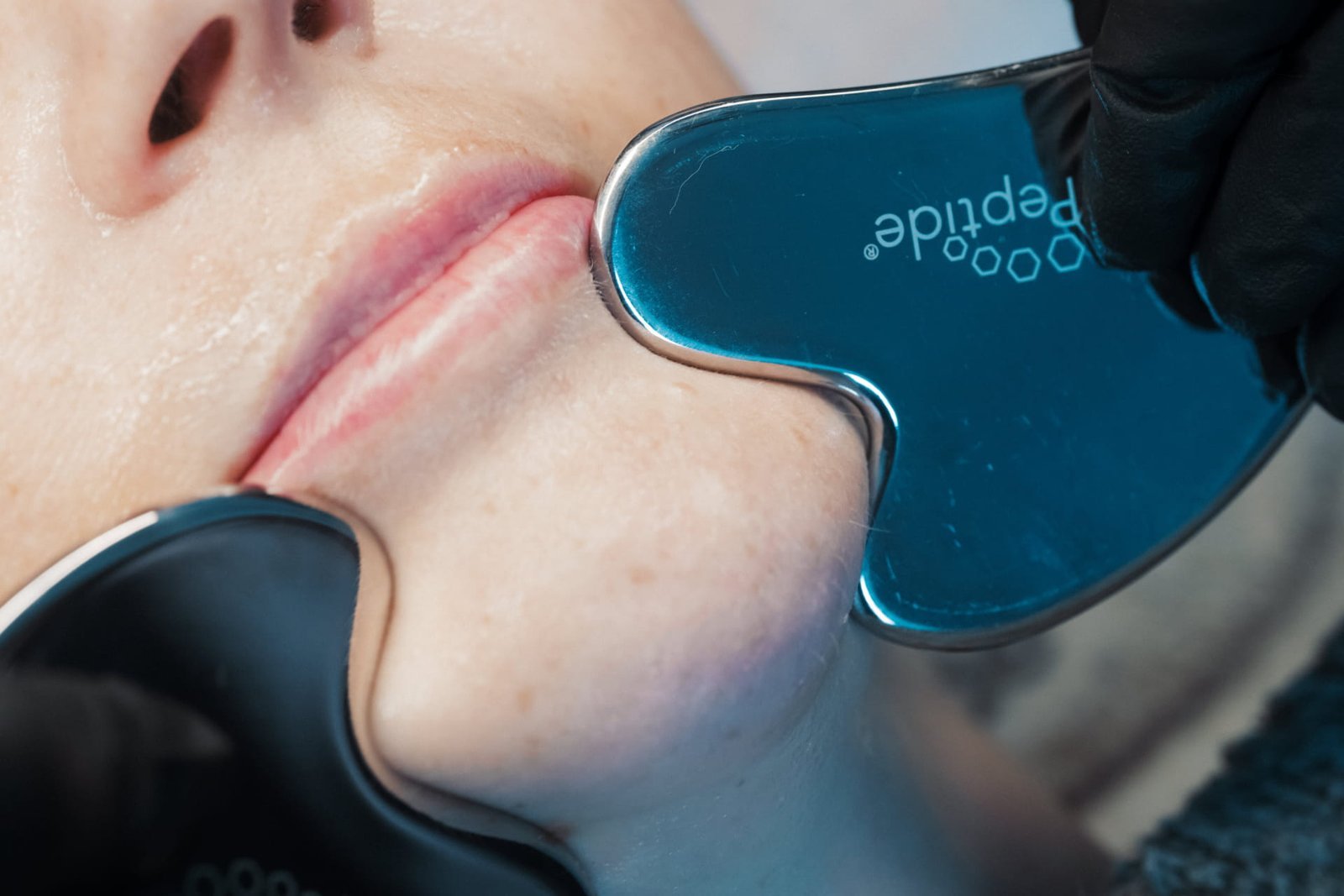
She also integrates clinical skincare into her practice, notably through her work with HydroPeptide; a brand grounded in epigenetic science and advanced peptide technology.
This holistic approach bridges in-clinic treatments with at-home care, enhancing and prolonging results for patients.
Dr. Lauren’s clinic is not just a place for procedures; it’s a hub for education, empowerment, and authentic care.
Conclusion
Medical aesthetics is not a fleeting luxury; it is a legitimate medical specialty with deep, meaningful roots. From the trenches of battlefield medicine to today’s regulated, evidence-based clinics in Hamilton, the evolution of this field tells a story of science, resilience, and innovation.
As patients grow more informed and expectations continue to rise, clinics like Dr. Lauren’s are leading the way; quietly, confidently, and always with patient care at the heart of every decision.
In an industry often misunderstood, medical aesthetics in Hamilton stands as a testament to what’s possible when medicine and artistry meet under the guidance of integrity.

Bibliography
- The London Dermatology Centre – 2025 – The Evolution of Dermatology: From Ancient Remedies to Modern Medicine [online] Available at:
https://www.london-dermatology-centre.co.uk/blog/evolution-of-dermatology/ - Nathan Sebastian – 2025 – Global Medical Aesthetics Market: Challenges, Trends, Scope, & Future [online] Available at:
https://www.goodfirms.co/resources/global-medical-aesthetics-market-challenges-trends-scope-future - Samuel Hetz – 2025 – The Intersection of Ethics, Aesthetics, and Patient Expectations in Dermatology [online] Available at:
https://www.dermatologytimes.com/view/the-intersection-of-ethics-aesthetics-and-patient-expectations-in-dermatology - Kaitlyn Bader – 2024 – Expanding Innovation and Education in Medical Aesthetics [online] Available at:
https://www.dermatologytimes.com/view/expanding-innovation-and-education-in-medical-aesthetics