For many people, SPF is still associated with holidays, beach outings, or particularly sunny days. It’s often treated as an occasional add-on rather than a daily necessity. However, this perception is increasingly outdated.
In reality, sun protection is one of the most important (and most overlooked) steps in maintaining long-term skin health.
Your skin is exposed to ultraviolet (UV) radiation every day, regardless of whether the sun is visibly shining. UVA rays, in particular, can penetrate clouds and even glass, meaning your skin is under constant exposure.
Even during routine activities like commuting, working near windows, or even sitting indoors. This is why dermatologists strongly emphasise building a consistent daily SPF routine in the UK and for global consumers alike.
Understanding SPF skincare benefits goes beyond avoiding sunburn; it is about protecting your skin at a cellular level, preserving its structure, and preventing damage before it begins.
When used daily, SPF becomes the foundation upon which all other skincare efforts are built.

What SPF actually does
SPF, or Sun Protection Factor, is a measure of how well a product protects the skin from UVB rays, which are primarily responsible for sunburn. However, effective sun protection today goes further, offering broad-spectrum defense against both UVB and UVA rays.
While UVB damage is often immediate and visible, UVA damage is more subtle and accumulates over time, making it a leading cause of premature skin ageing.
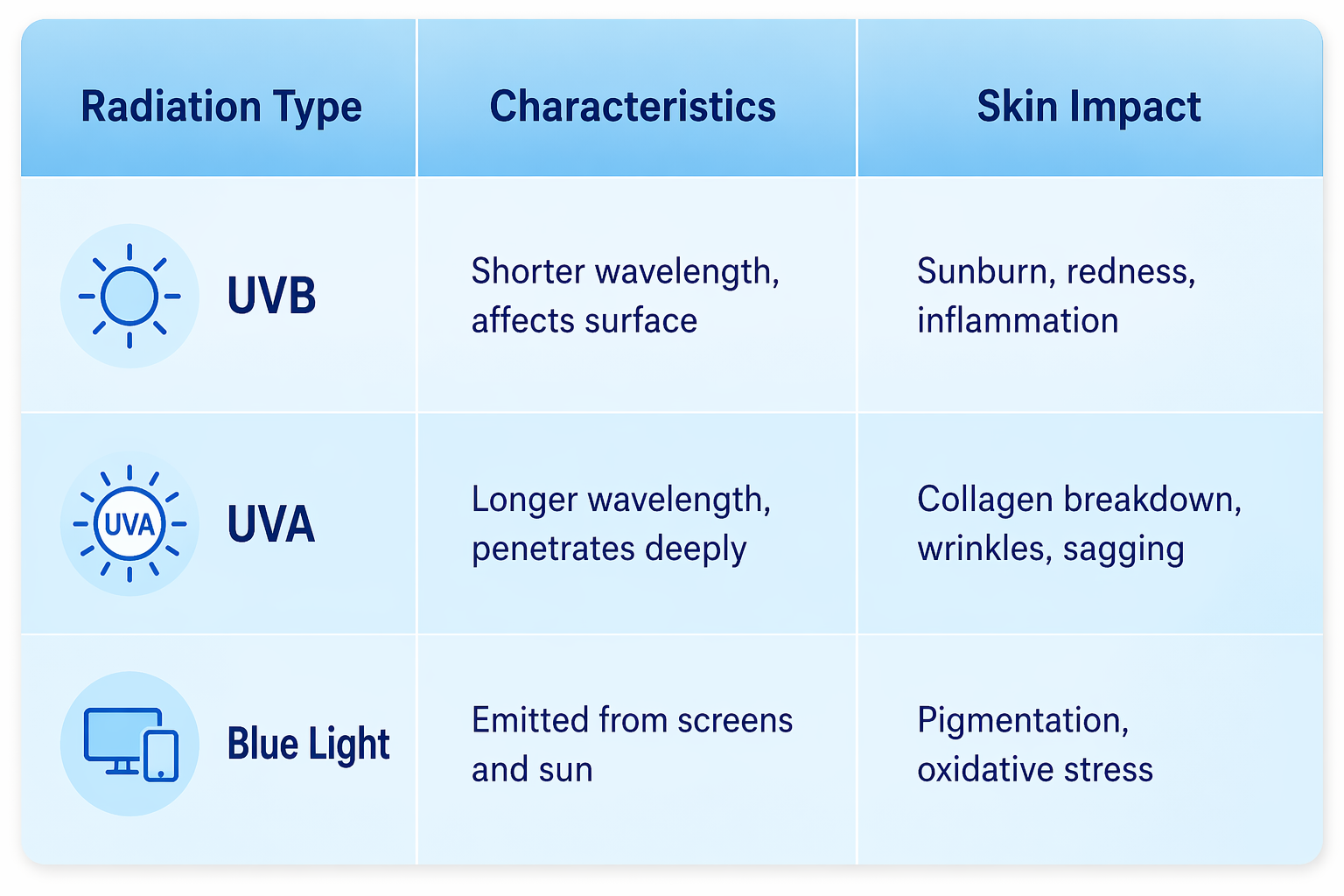
UVA rays penetrate into the dermis, where collagen and elastin fibers reside. These fibers are responsible for keeping the skin firm, smooth, and youthful. Continuous exposure weakens this structure, leading to fine lines, wrinkles, and loss of elasticity.
In addition, UV exposure stimulates melanin production, which can result in uneven pigmentation, dark spots, and a dull complexion.
This is particularly relevant when trying to prevent skin ageing in UK climates, where people may underestimate sun exposure due to frequent cloud cover.
Ultimately, SPF acts as a barrier, absorbing or reflecting harmful rays before they can penetrate the skin and cause damage.
SPF as an active skincare
Traditionally, SPF was seen as a protective layer applied at the end of a skincare routine. Today, it is increasingly recognised as an active skincare ingredient in its own right.
Rather than simply shielding the skin, SPF plays a proactive role in maintaining and improving skin quality over time.
How SPF protects skin health
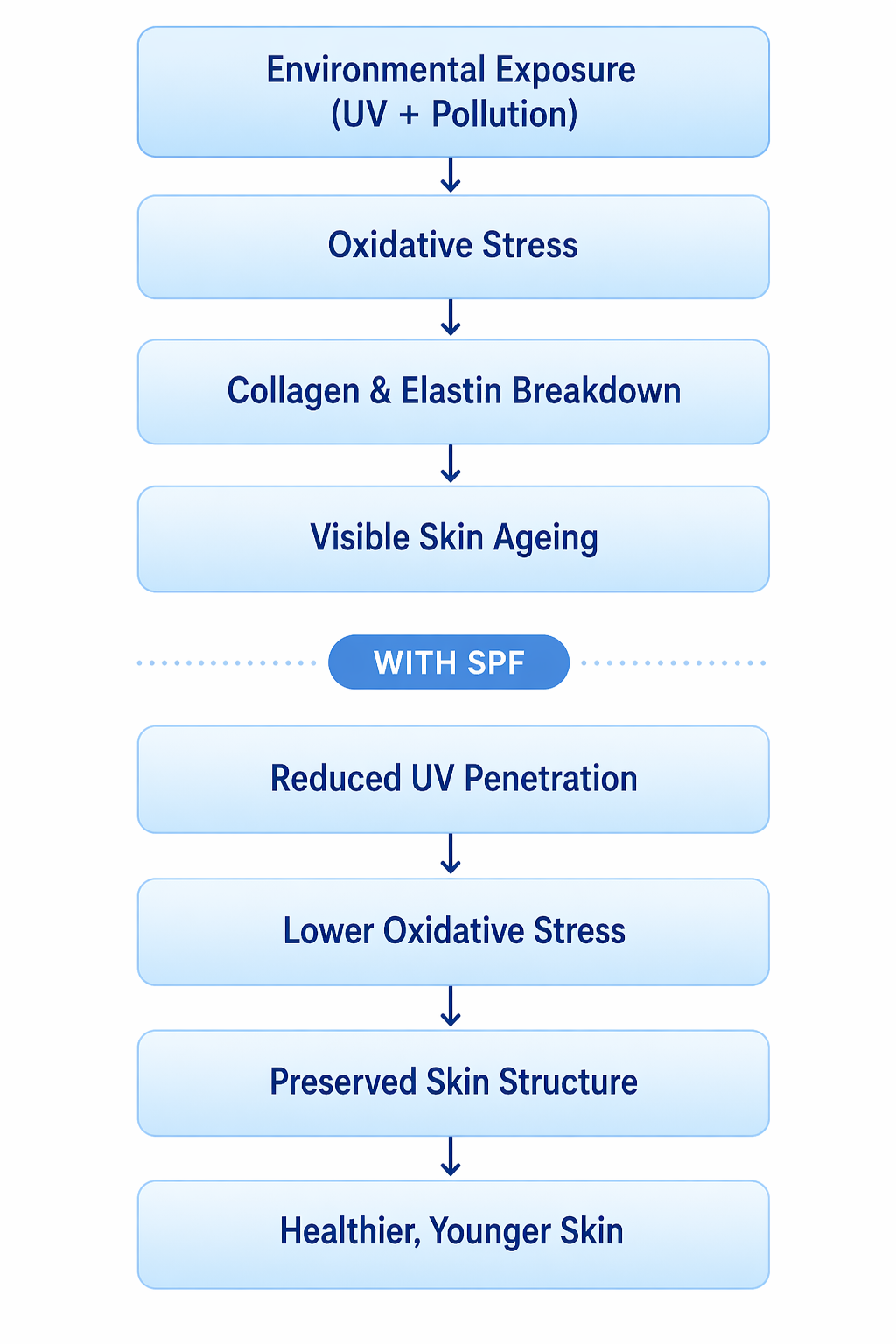
Unlike serums or treatments that work to repair damage after it has occurred, SPF prevents that damage from happening in the first place. This preventative approach is what makes it one of the most effective tools in skincare.
Long-term SPF skincare benefits
- Preservation of collagen: helps maintain firmness and elasticity
- Reduction in wrinkles: slows the formation of fine lines
- Even skin tone: minimises hyperpigmentation and dark spots
- Improved skin barrier: protects against environmental aggressors
- Enhanced product performance: allows active ingredients like retinol and vitamin C to work more effectively
When incorporated consistently, SPF becomes the best SPF for skin health not just because it protects, but because it supports the longevity of all other skincare efforts. Without SPF, even the most advanced treatments can be undermined by ongoing UV damage.
Modern SPF formulations
One of the main reasons people avoided SPF in the past was its texture; thick, greasy, and often leaving a white residue on the skin. Fortunately, modern formulations have transformed the experience entirely.
Today’s SPF products are designed to feel like skincare, not sunscreen.
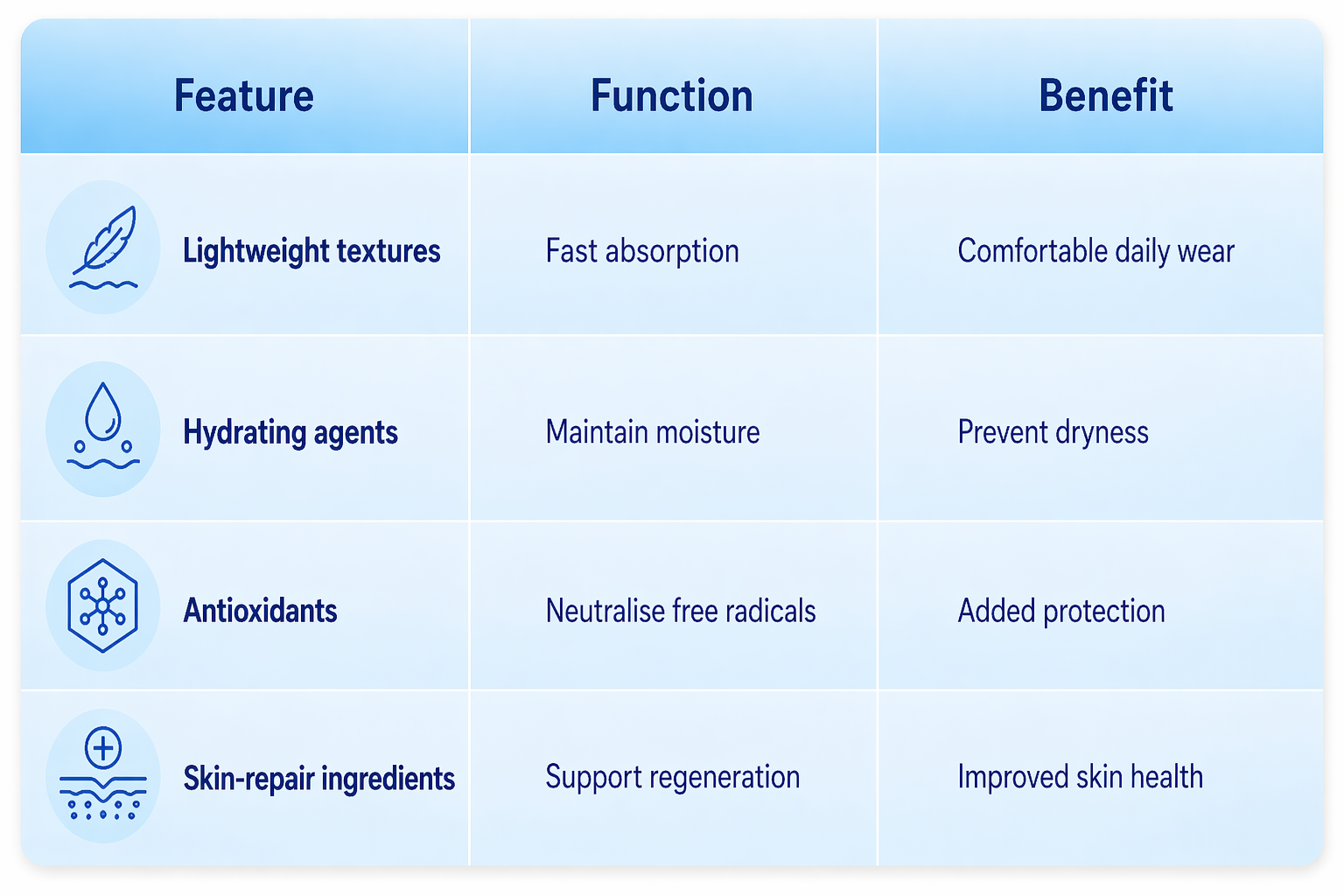
Many formulations now include ingredients such as hyaluronic acid, niacinamide, and peptides, making SPF a multifunctional product.
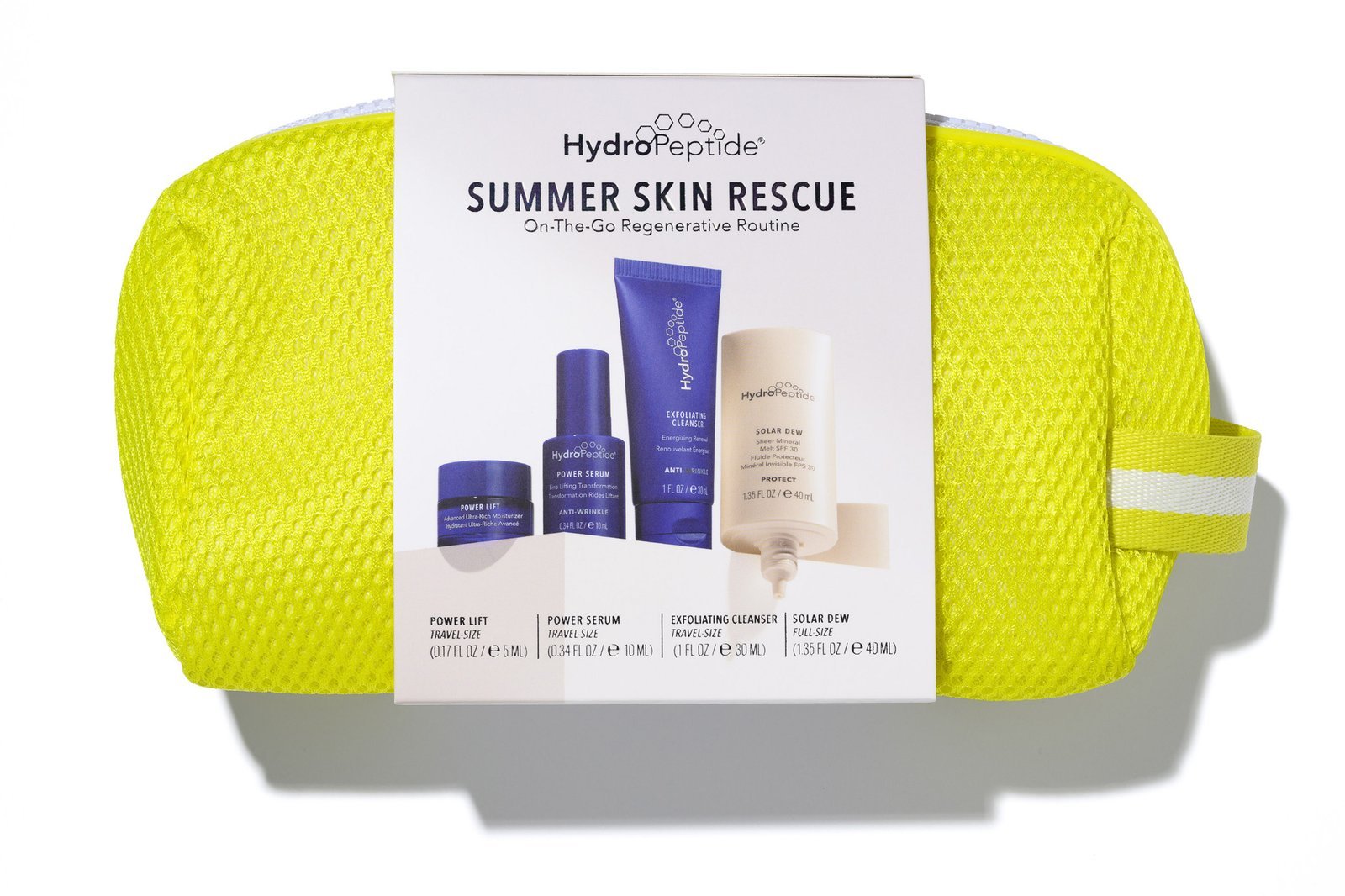
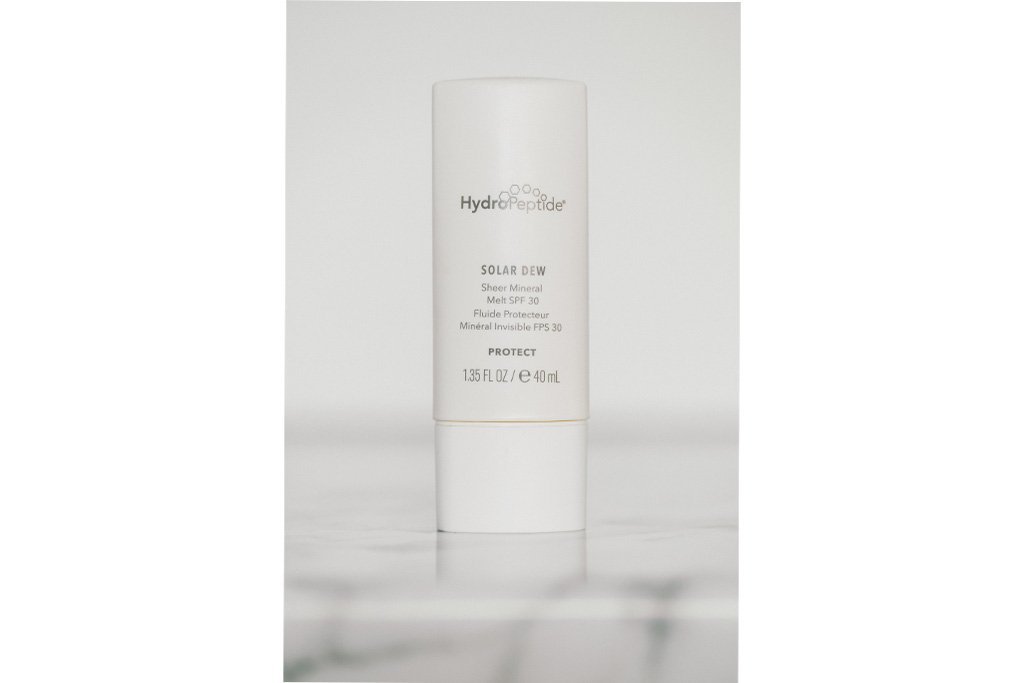
A notable example is the range of HydroPeptide SPF products, which combine sun protection with advanced peptide technology to support skin repair while shielding it from UV damage.
Types of SPF products available
- Fluid sunscreens: ideal for layering under makeup
- Cream-based SPF: suitable for dry or mature skin
- Gel SPF: lightweight option for oily or acne-prone skin
- Tinted SPF: offers light coverage and tone correction
- SPF sprays and mists: convenient for reapplication throughout the day
This variety has made it easier than ever to integrate SPF into everyday routines. Whether you prefer a minimal skincare approach or a more comprehensive regimen, there is an SPF product suited to your needs.
This flexibility is a key reason why more people are adopting a daily SPF routine in the UK skincare trend.
Common mistakes
Even with better awareness and improved formulations, SPF is often used incorrectly. These mistakes can significantly reduce its effectiveness and limit its benefits.
1. Using SPF only in sunny weather
One of the most persistent misconceptions is that SPF is only necessary when the sun is visible. In reality, up to 80% of UV rays can penetrate clouds. This means your skin is exposed even on overcast days.
2. Applying too little product
Most people apply far less SPF than required, which reduces its protective ability.
Recommended amounts:
- Face and neck: approximately one teaspoon
- Full body: about a shot-glass amount
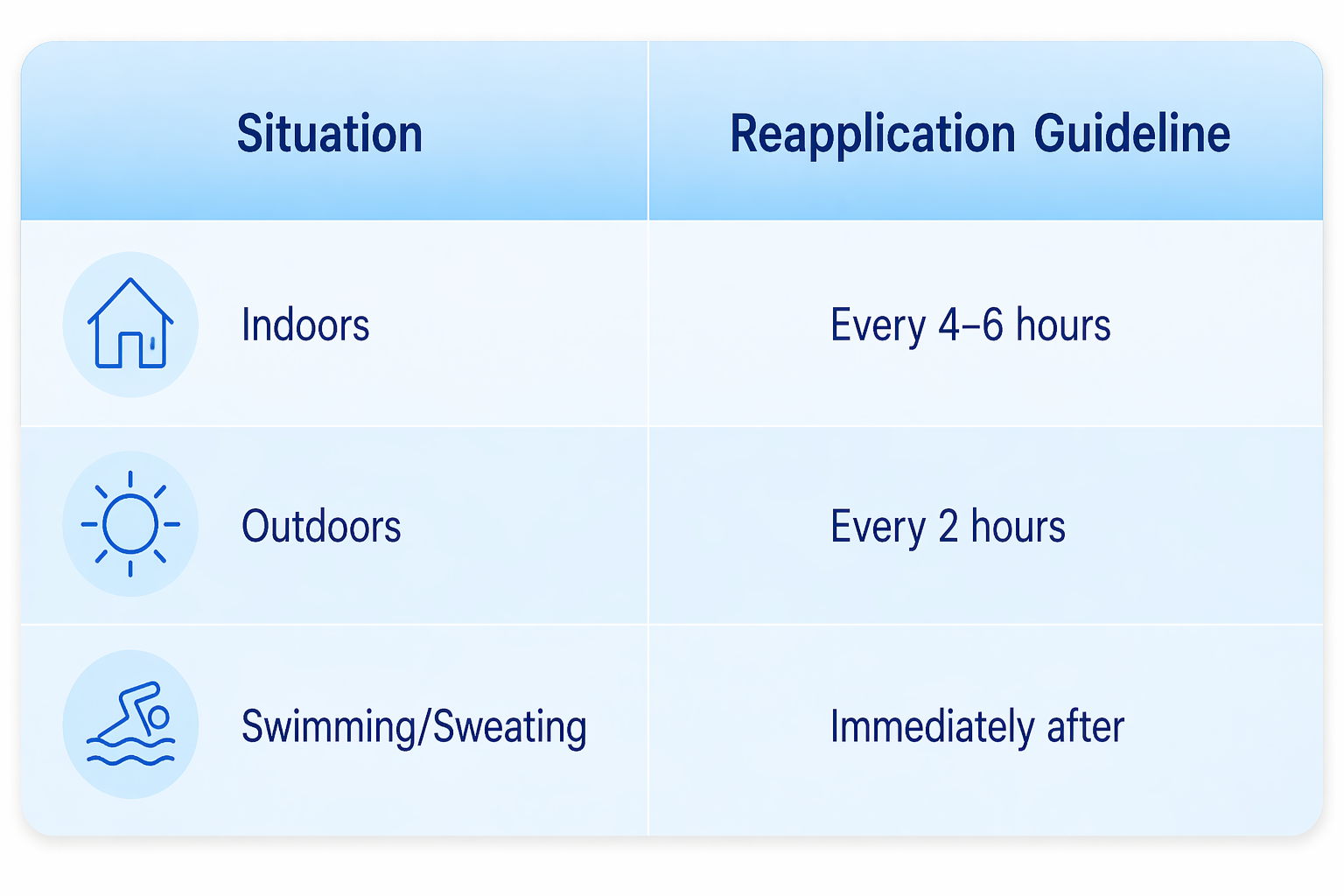
3. Skipping reapplication
SPF degrades over time due to exposure to light, sweat, and natural skin oils.
4. Missing key areas
Certain areas are often overlooked, including:
- Ears
- Neck and décolletage
- Hands
- Eyelids and around the eyes
These areas are just as vulnerable to UV damage and often show early signs of ageing.
5. Relying on makeup with SPF
While foundations or powders may contain SPF, they are typically not applied in sufficient quantities to provide adequate protection. They should be considered a supplement (not a replacement) for dedicated sunscreen.
Conclusion
SPF is no longer just a seasonal product; it is the foundation of effective, modern skincare.
By protecting the skin from daily UV exposure, it prevents long-term damage, preserves structural integrity, and enhances overall skin health.
Adopting a consistent daily SPF routine in the UK, experts recommend, is one of the most impactful steps you can take to maintain youthful, healthy skin.
From preventing fine lines and pigmentation to supporting the effectiveness of other skincare products, the advantages are both immediate and long-lasting.
With advancements in formulation, products like HydroPeptide SPF demonstrate that sun protection can also deliver hydration, repair, and comfort.
This evolution has made it easier than ever to incorporate SPF into daily life without compromise.
Ultimately, if there is one step that defines a successful skincare routine, it is this: consistent, daily use of SPF. When it comes to choosing the best SPF for skin health, the answer lies not just in the product itself, but in the habit of using it every single day.
Bibliography:
- Amir Karam MD – 2026 – Beyond Sunscreen: 5-Steps to Smarter Sun Protection [online] Available at:
https://karammdskin.com/en-row/blogs/expert-advice/beyond-sunscreen-my-5-step-approach-to-smarter-sun-protection?srsltid=AfmBOoolwr-0ss_rWZqlgsd0TQwp7S4UyoRqop9qX4td3oivVSpkta9i - Skin Cancer and Dermatology Center – 2025 – Beyond SPF: What You Need to Know About True Sun Protection [online] Available at:
https://www.skincancerandderm.com/blog/1343173-beyond-spf-what-you-need-to-know-about-true-sun-protection/ - Maria Robinson MD – 2025 – Should You Wear Sunscreen Every Day? The 9 Benefits of Sunscreen, Explained by a Dermatologist [online] Available at:
https://www.goodrx.com/health-topic/dermatology/should-you-wear-sunscreen-everyday?srsltid=AfmBOorhdw-teM_pVa1Ljb7Q_MS_Szix10ckjUGS473d6G17X-29tolq - Emily Hartley – 2025 – The Future of Inclusive Sun Care and SPF as a Beauty Essential [online] Available at:
https://www.oand3.com/stories/the-future-of-inclusive-sun-care-and-spf-as-a-beauty-essential/ - Sarah Bacon – 2025 – The Importance of Sun Protection at Every Age: Why SPF is Non-Negotiable [online] Available at:
https://velettaskincare.com/blogs/behind-the-veil/the-importance-of-sun-protection-at-every-age-why-spf-is-non-negotiable?srsltid=AfmBOor4Ffnd-MLOwwCXPQml95qxGaVYfCb9n0PL0cvaXfOdGvwyvOj