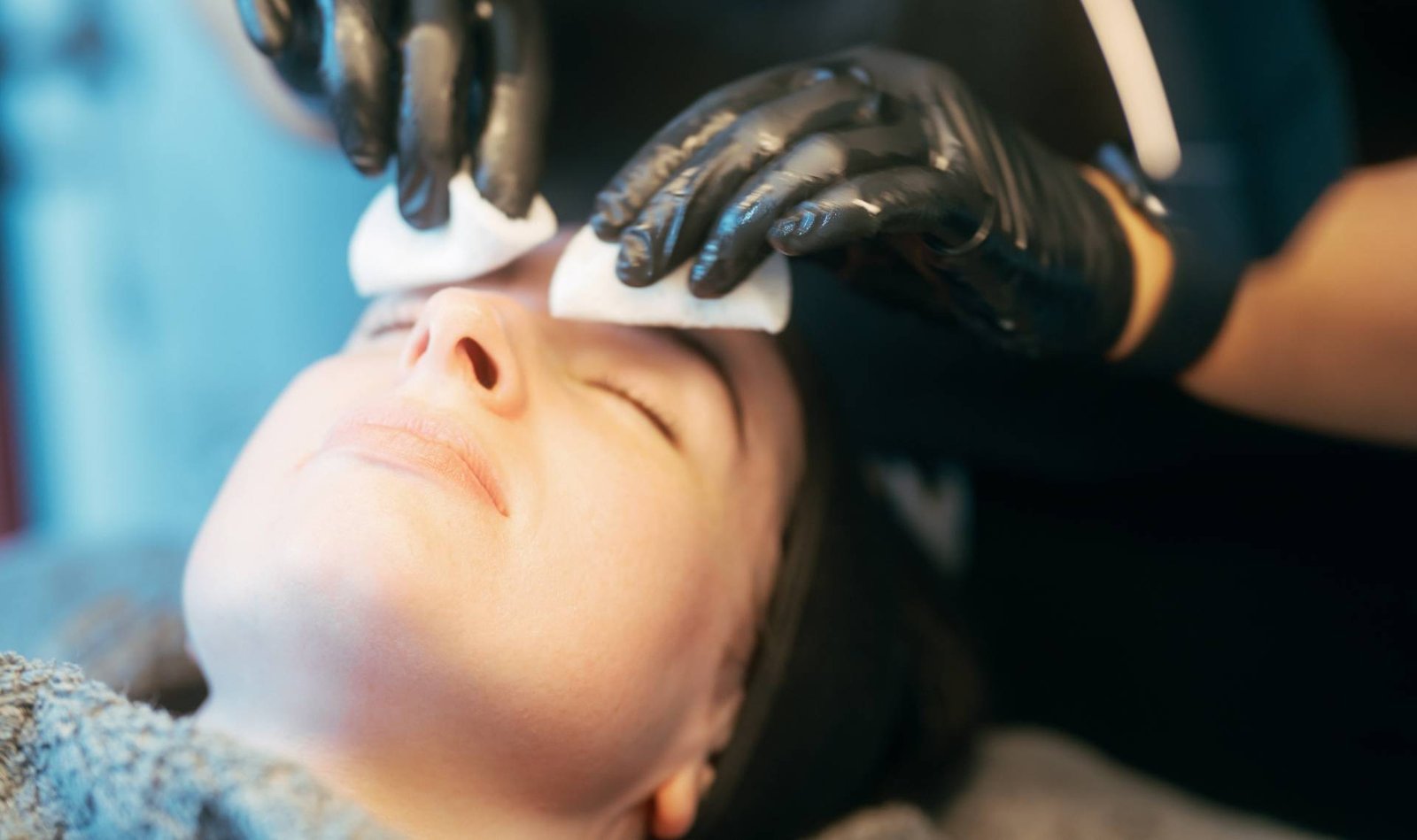
Naturally, our first instinct is often to start “fixing” everything at once.
But reaching straight for stronger acids, retinoids or an intensive sun damage treatment isn’t necessarily what your skin needs.
What Has Summer Done to Your Skin?
Even when the Scottish summer doesn’t feel particularly sunny, those UV rays are still very much around. UVA is associated with longer-term photo ageing and pigmentation, while UVB is strongly linked to sunburn, with repeated exposure contributing to cumulative sun damaged skin over time [1][2].
So, even if you’ve been diligent with your SPF, all that extra time outdoors can still leave its mark.
And sunshine isn’t the only thing our skin has to contend with. Heat, swimming pools, salt water, air conditioning, flights and disrupted skincare routines can all affect hydration and leave skin feeling drier and less comfortable [3].
The tricky part?
That holiday glow can hide it for a while. It’s often once the tan begins to fade that dry skin after holiday, dullness, rough skin texture, or pigmentation suddenly become much more noticeable [3].
This is exactly why good post-holiday skincare shouldn’t begin with trying to fix everything at once. It starts with understanding what your skin actually needs. For patients looking for skincare in Hamilton, a Skin Health Consultation with us at Dr Lauren Medical Aesthetics Clinic can help determine whether your skin simply needs hydration and barrier support or whether it’s time for a more targeted approach.
The Signs Your Skin Needs Some Attention
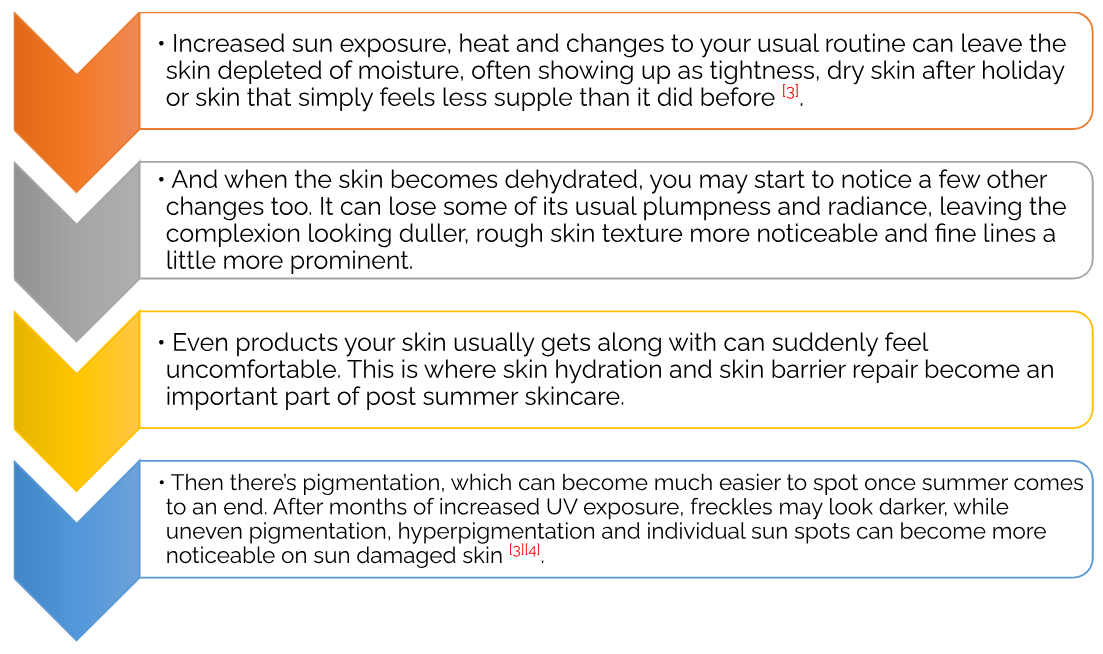
Your skin has plenty of ways of letting you know when it needs a little extra care, and after summer, those signs can suddenly become much harder to ignore.
Start by Repairing, Not Attacking
When skin feels rough, looks dull or starts showing signs of sun damaged skin, it’s tempting to reach for every active ingredient in the cabinet. But stronger doesn’t always mean better. If summer has already left your skin feeling dry, dehydrated or sensitive, introducing too much too quickly can simply lead to further irritation.
This is where taking things back to basics can make all the difference.
Gentle cleansing, regular moisturising, good skin hydration and daily sun protection can help restore comfort while supporting skin barrier repair. Emollients can also help reduce water loss by creating a protective layer over the skin, which is particularly helpful when it feels dry or compromised [6].
What About Sun Spots & Pigmentation?
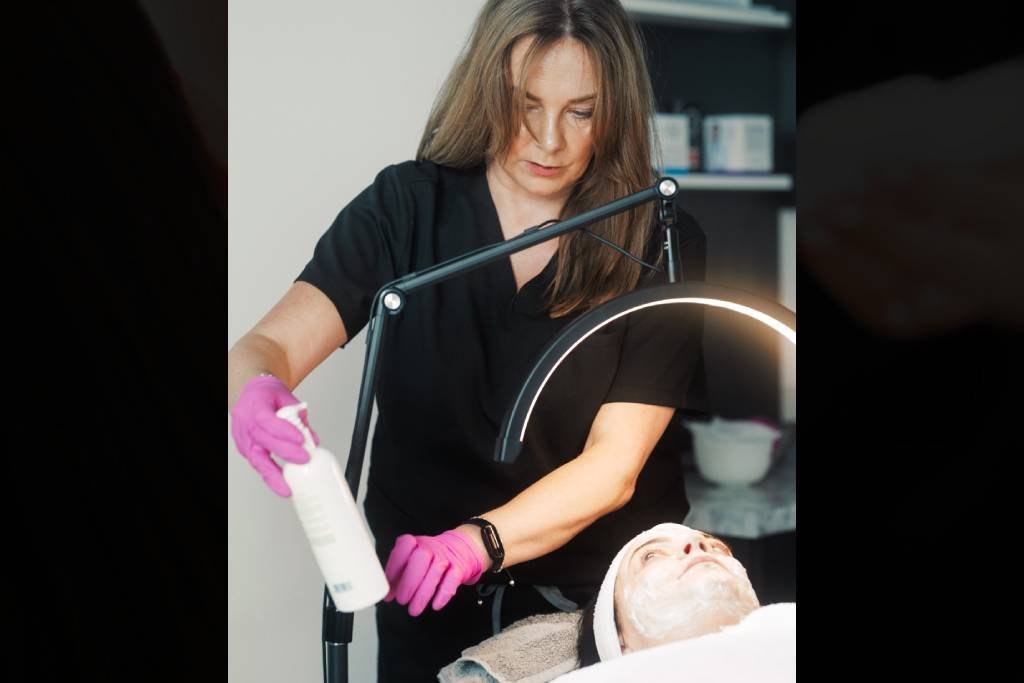
Once your skin is feeling hydrated, comfortable and a little more like itself again, what comes next? For many patients, it’s tackling the pigmentation that summer may have left behind. And while those darker patches can seem to appear out of nowhere, there’s usually more going on beneath the surface.
Increased UV exposure can trigger melanin production, causing existing pigmentation to darken and previously subtle areas to become much easier to spot. It can also contribute to conditions such as melasma, which is one reason pigmentation may become particularly noticeable after summer [4].
But when it comes to pigmentation, there really isn’t a one-size-fits-all solution. Freckles, melasma, post-inflammatory hyperpigmentation and other pigmented lesions can have different causes and may need very different approaches. So, before jumping straight into a pigmentation treatment or sun spots treatment, it’s important to first understand exactly what you’re treating.
This is where professional assessment really matters.
Anything new, changing or causing concern should be properly assessed rather than simply assumed to be cosmetic sun damaged skin [2]. Once we know what we’re dealing with, the right sun damage treatment can be planned around your individual skin and concerns.
And whatever that plan looks like, SPF still has a part to play. Autumn may bring cooler, cloudier days, but daily sun protection remains important for managing sun damaged skin and helping to protect against further UV exposure [1][2].
Professional Treatments for Post-Summer Skin
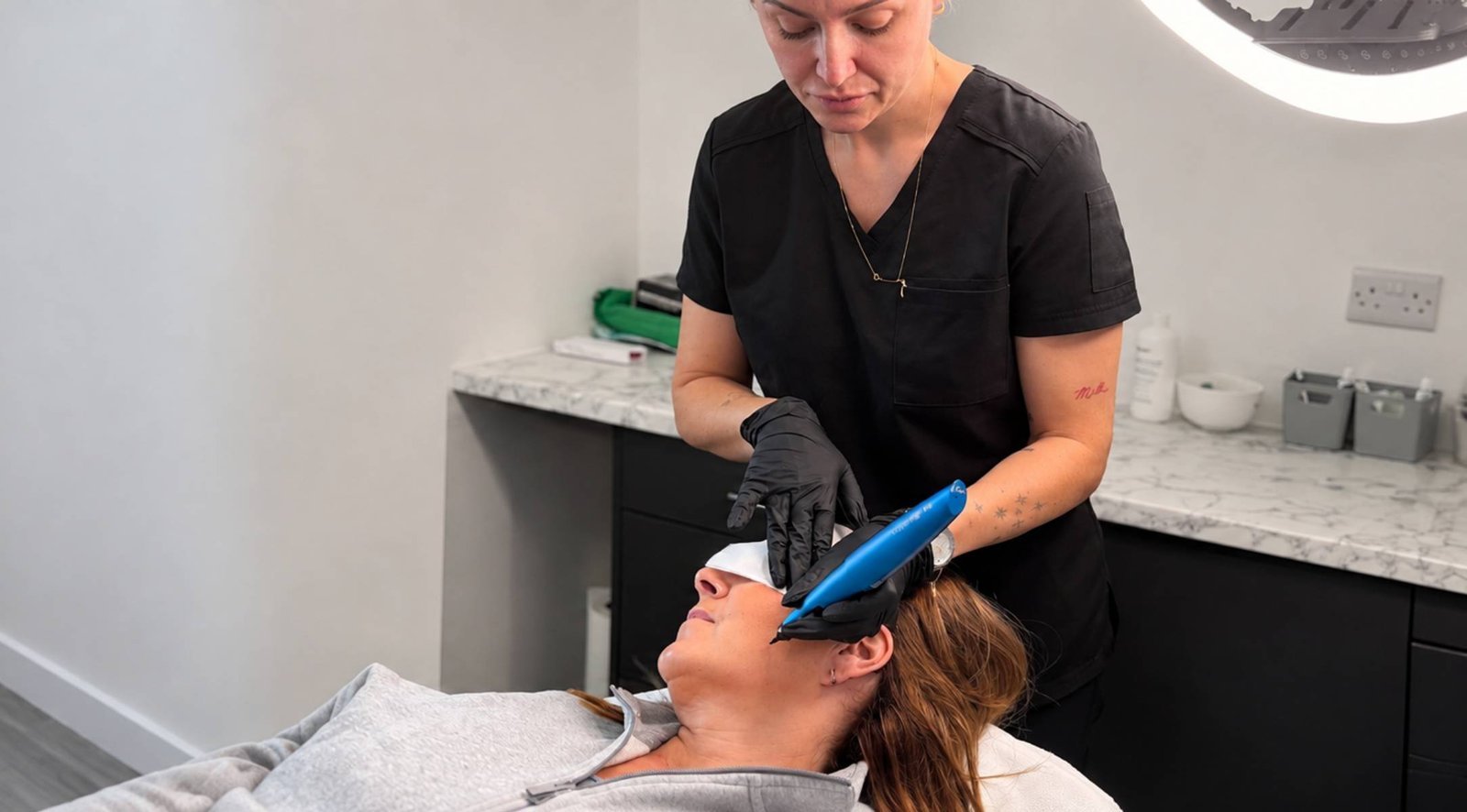
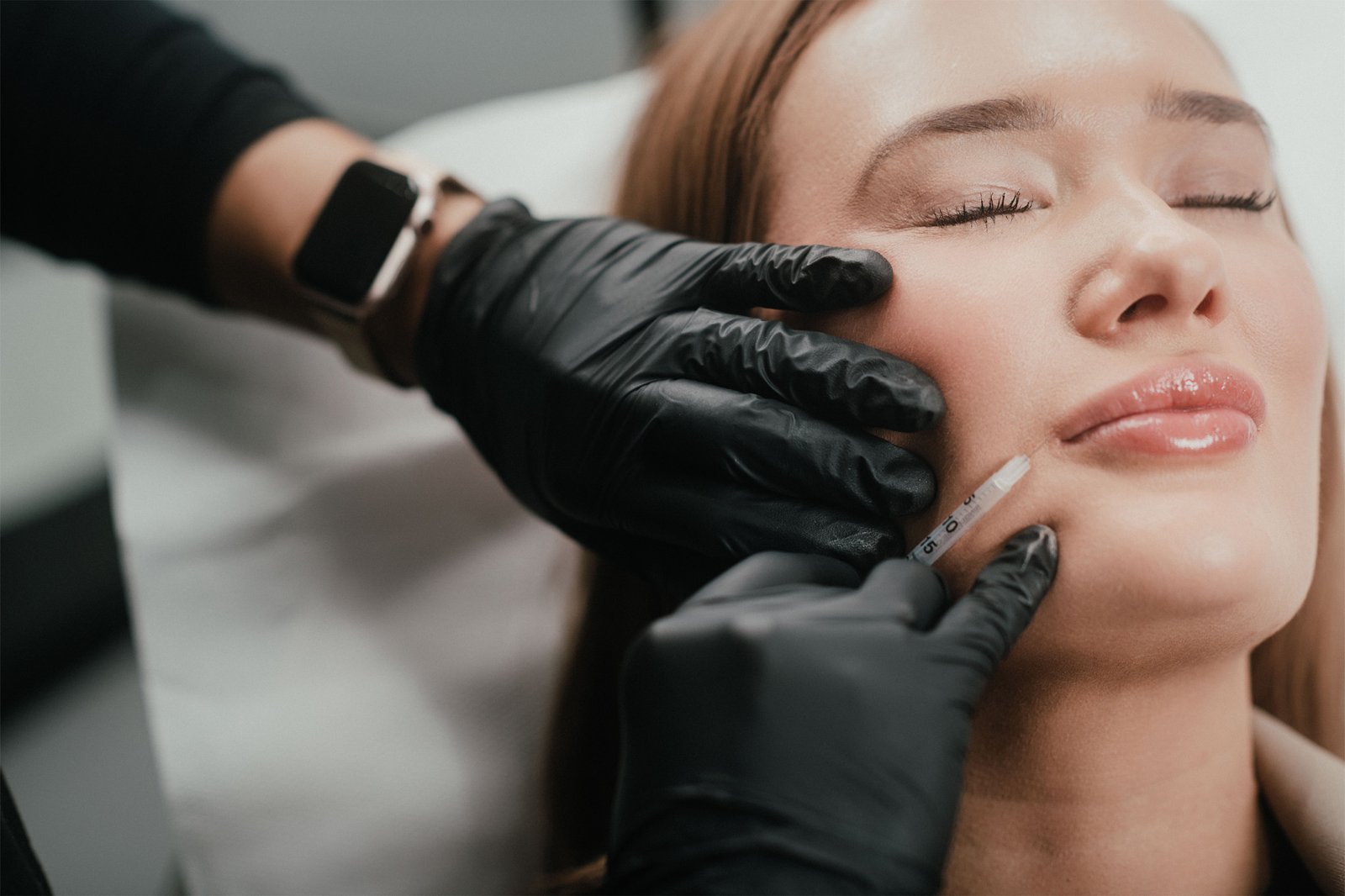
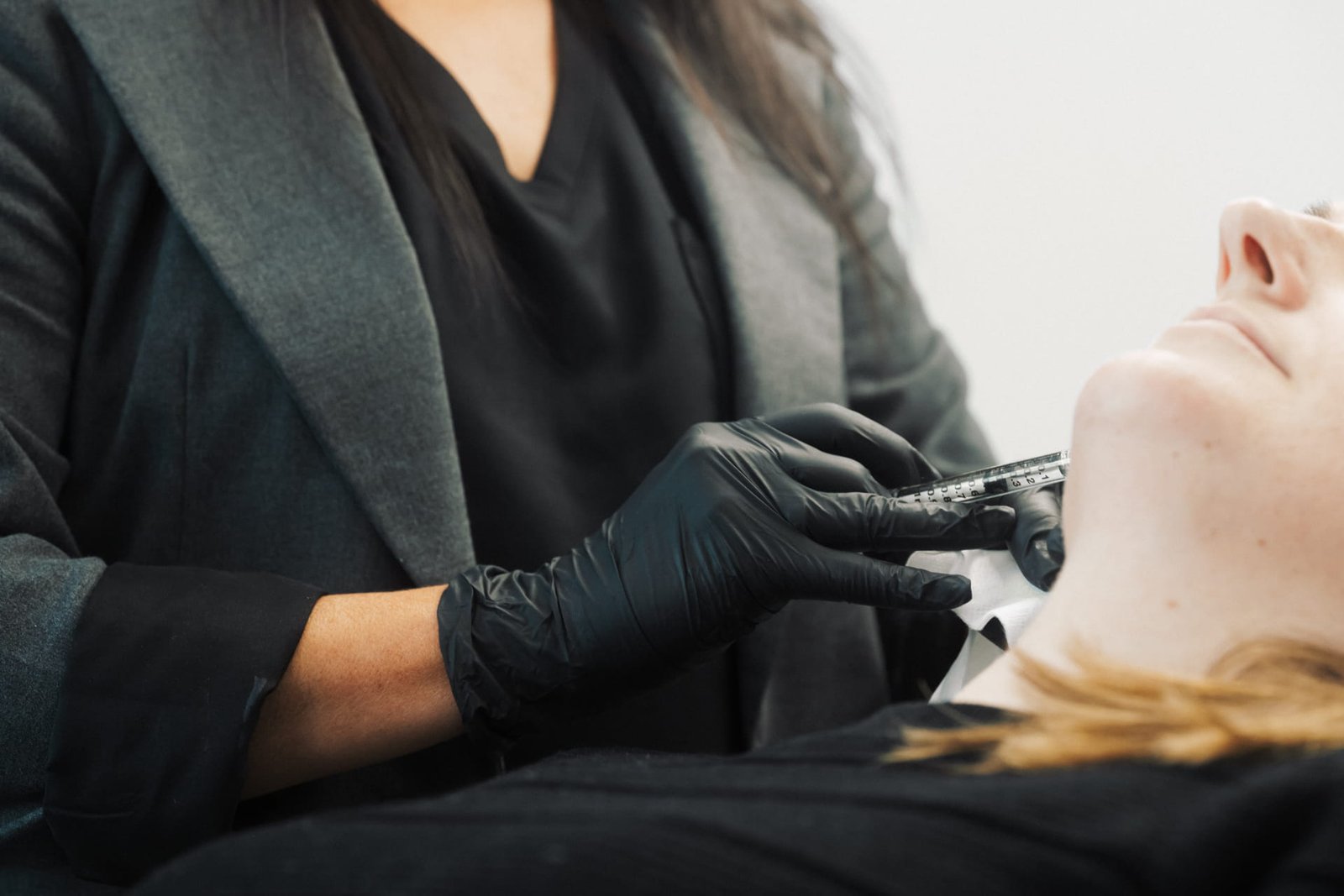
Once your skin has been properly assessed and those immediate post-summer concerns have been addressed, professional treatments can help take things a little further. But this isn’t about choosing a treatment simply because it sounds good. It’s about finding the one that makes sense for your skin. Depending on what it needs, that might include:
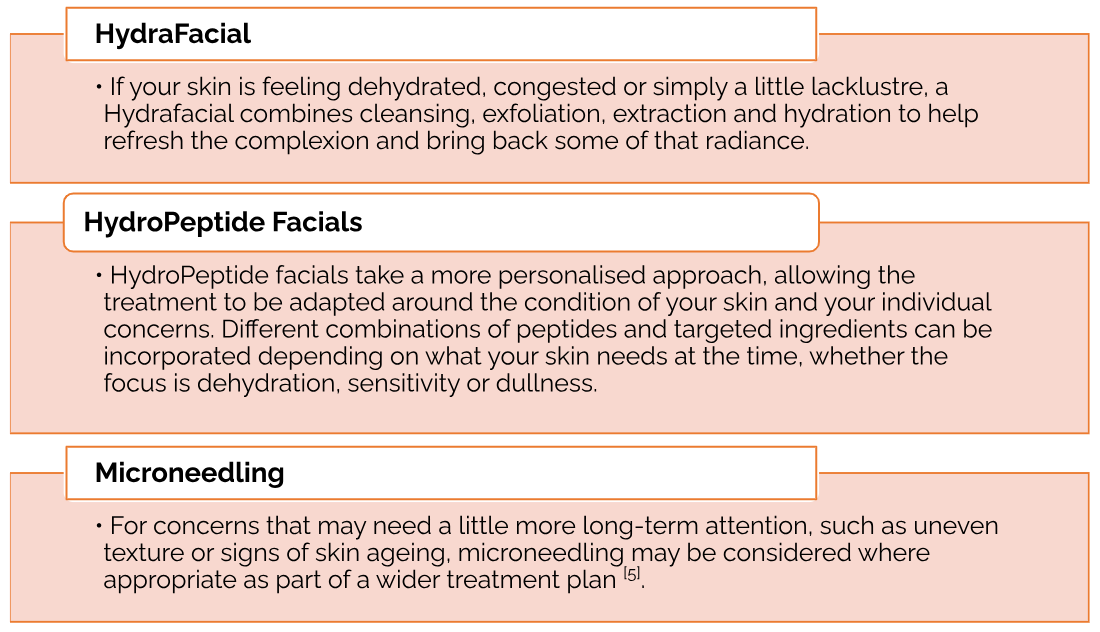
The important thing is that there’s no one treatment that every post-summer complexion needs. Someone looking for a dehydrated skin treatment may need a completely different approach from someone concerned about pigmentation, sun spots treatment or longer-term sun damage treatment.
The aim is to understand where your skin is now, where you’d like it to be and choose treatments that make sense for that journey.
Don’t Forget Your Homecare
In-clinic treatments can give your skin a lovely boost, but what happens between appointments matters just as much. Think of autumn as a chance to have a little skincare clear-out. Rather than automatically going back to the same routine you were using before summer, good post summer skincare starts with taking a fresh look at what your skin actually needs now.
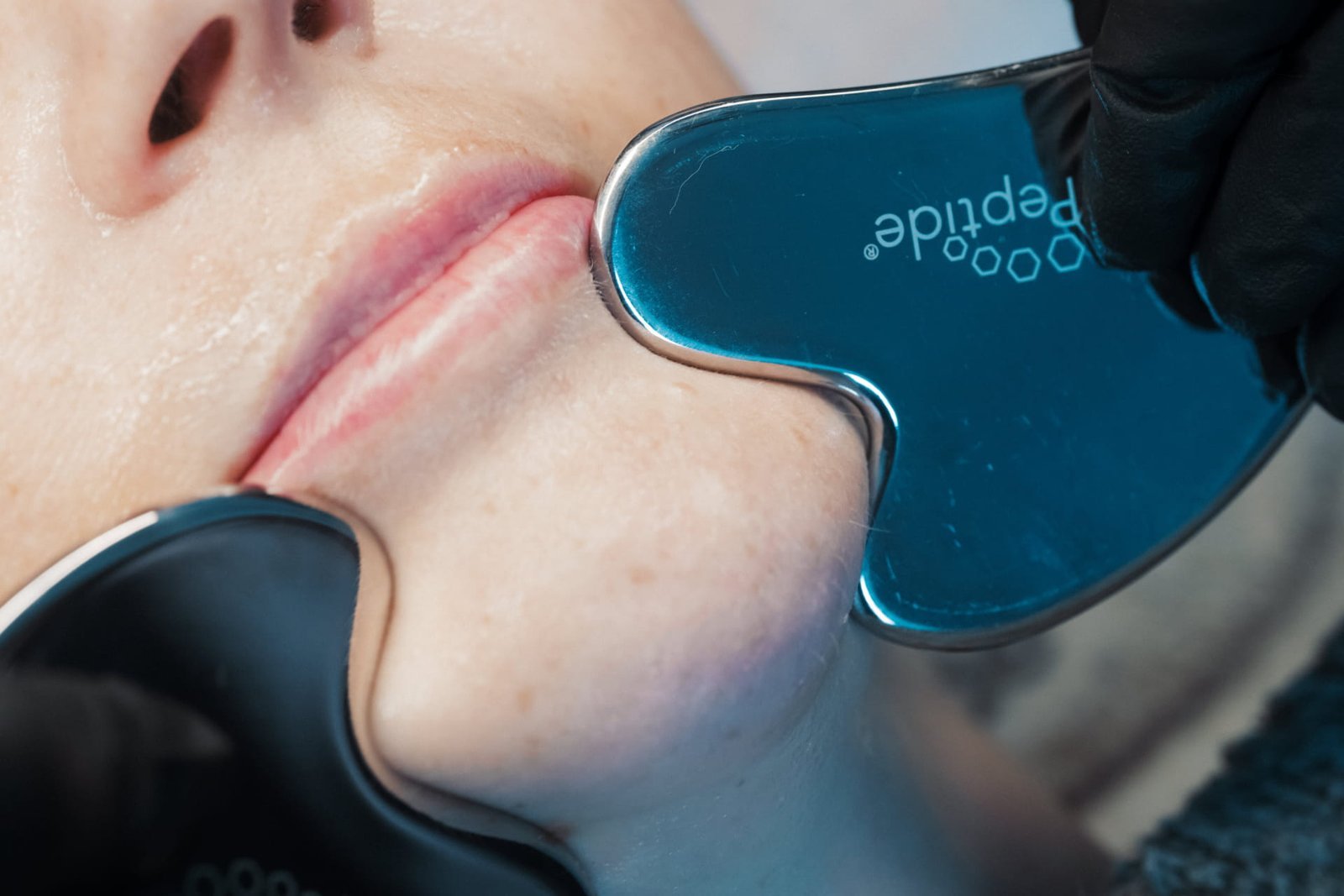
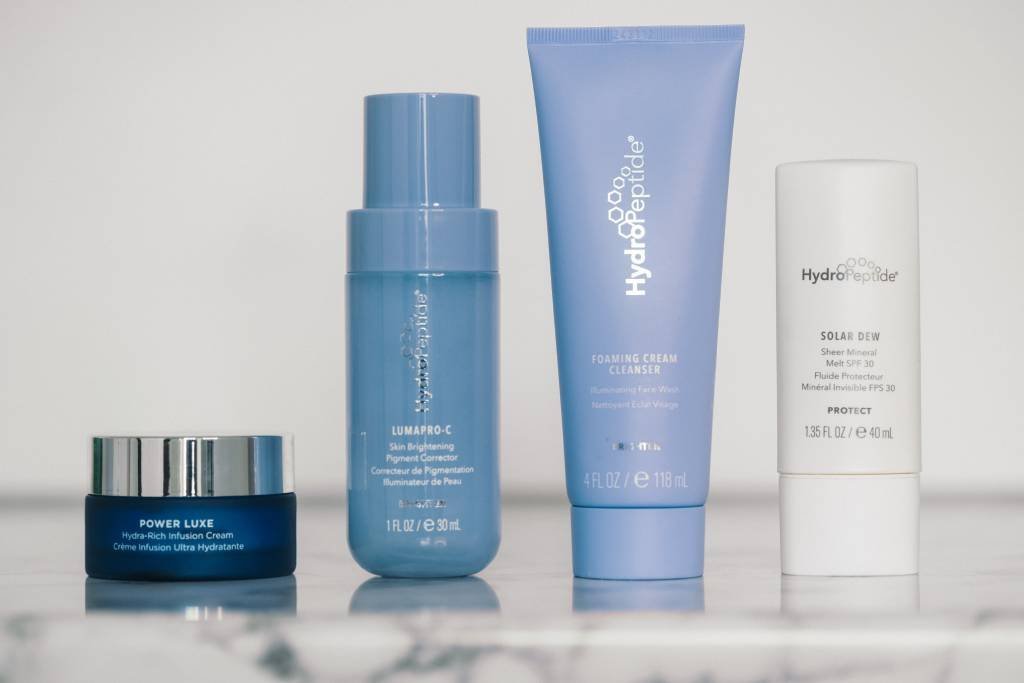
At first, that might mean keeping things simple and focusing on hydration and barrier support. Then, as your skin begins to settle, more targeted ingredients can gradually come back into the picture. Where appropriate, medical-grade skincare and HydroPeptide skincare can also be selected around your individual skin needs and longer-term goals.
And yes, SPF stays.
Just because the holidays are over and the weather has cooled down doesn’t mean sun protection gets pushed to the back of the bathroom cabinet. Daily SPF remains important beyond summer, helping to protect your skin from continued UV exposure and cumulative damage [1][2].
Ultimately, the best results don’t come from what happens in the treatment room alone. Combining professional treatments with the right home care can help turn your post-summer reset into a more consistent, long-term approach to skin health.
Autumn Is the Perfect Time to Reassess Your Skin
Rather than chasing dehydration, pigmentation, texture and ageing as separate concerns, autumn is a great opportunity to step back and look at the bigger picture. Think of it as a seasonal reset: a chance to move beyond fixing one concern at a time and turn your post summer skincare into a more considered, long-term approach to skin health.
And that starts with understanding what your skin actually needs. At Skin Suite Hamilton, your free skin health consultation with Dr Lauren allows you to talk through the changes you’ve noticed over summer and take a closer look at the current condition of your skin. Where necessary, Dr Lauren can also establish a diagnosis, so you know exactly what you’re dealing with before deciding what comes next.
From there, it’s about putting the right plan in place. Depending on your skin concerns and longer-term goals, Dr Lauren may recommend the Anti-Ageing, Glass Skin, Rosacea or Pigmentation Treatment Pathway.
Rather than jumping from one standalone treatment to the next, your pathway brings professional treatments and homecare together into one personalised plan that can evolve with your skin.
Ready to Get Your Skin Back on Track?
If you’re ready to get your skin health back on track after summer, book your free skin health consultation with Dr Lauren. She’ll assess your sun damaged skin, discuss your concerns and recommend the treatment pathway best suited to you.
BIBLIOGRAPHY
- British Association of Dermatologists (n.d.) How to reduce the risk of developing skin cancer. Available at:
https://www.skinhealthinfo.org.uk/condition/how-to-reduce-the-risk-of-developing-skin-cancer/ - Cambridge University Hospitals NHS Foundation Trust (n.d.) Care for skin with sun damage and after treatment for a skin cancer or pre-cancer. Available at:
https://www.cuh.nhs.uk/patient-information/care-for-skin-with-sun-damage-and-after-treatment-for-a-skin-cancer-or-pre-cancer/ - Dr Victoria (n.d.) What summer did to your skin. Available at:
https://drvictoria.co.uk/blog/what-summer-did-your-skin - Primary Care Dermatology Society (n.d.) Melasma (syn. chloasma). Available at:
https://www.pcds.org.uk/clinical-guidance/melasma-syn-chloasma1 - Skin Doctor Clinics (n.d.) Microneedling. Available at:
https://www.skindoctorclinics.co.uk/treatments/face/microneedling/ - University Hospitals Sussex NHS Foundation Trust (n.d.) Emollient therapy. Available at:
https://www.uhsussex.nhs.uk/resources/emollient-therapy/