As winter fades and spring begins to bloom, your skin goes through a transition just as noticeable as the change in weather.
The shift in temperature, humidity, and environmental exposure can significantly affect your skin’s behavior, making it essential to adapt your routine accordingly.
A well-planned spring skincare routine helps restore balance, improve texture, and prepare your skin for the warmer months ahead.
This guide offers practical seasonal skin care tips, combining at-home habits with professional skincare advice to help you achieve a healthy, radiant complexion.

Understanding the Seasonal Transition
1. From Winter to Spring:
Winter is typically characterised by cold air, low humidity, and indoor heating; all of which strip moisture from the skin. As spring arrives, humidity increases, temperatures rise, and your skin begins to produce more oil.
This transition period can confuse your skin. What worked in winter may suddenly feel too heavy or ineffective. Recognising this shift is the first step in building an effective skincare routine for glowing skin.
2. Skin Changes Post-Winter:
After months of harsh conditions, your skin may show signs of:
- Compromised barrier function
- Dry patches and flakiness
- Accumulated dead skin cells
- Increased sensitivity
These changes require a gradual reset rather than a complete overhaul. The goal is to gently support your skin as it adapts.
Common Spring Skin Concerns
Spring introduces a unique set of challenges. Understanding these concerns helps you address them proactively.
1. Dehydration:
Even though the air becomes more humid, your skin may still be dehydrated from winter damage. This can result in tightness, fine lines, and a lack of elasticity.
2. Dullness:
Dead skin buildup from winter can leave your complexion looking tired and uneven. Without proper exfoliation, your skin struggles to reflect light effectively.
3. Congestion:
As oil production increases, pores can become clogged more easily, leading to blackheads, breakouts, and uneven texture.
At-Home Habits for Healthy Spring Skin
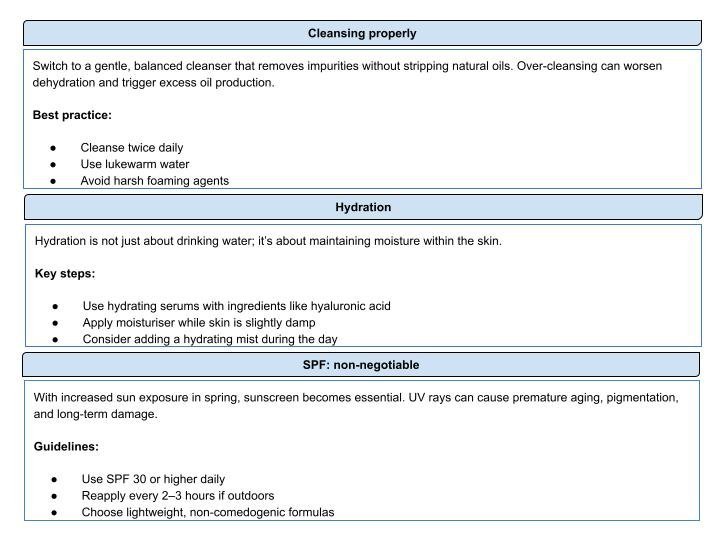
Your daily habits form the foundation of effective skincare. Small, consistent actions can deliver significant results.
Consistency Over Complexity
One of the most overlooked seasonal skin care tips is keeping your routine simple and consistent. Layering too many products can overwhelm your skin.
What To Adjust in Your Routine
Spring is about refinement; not reinvention. Here’s how to adjust your routine effectively.
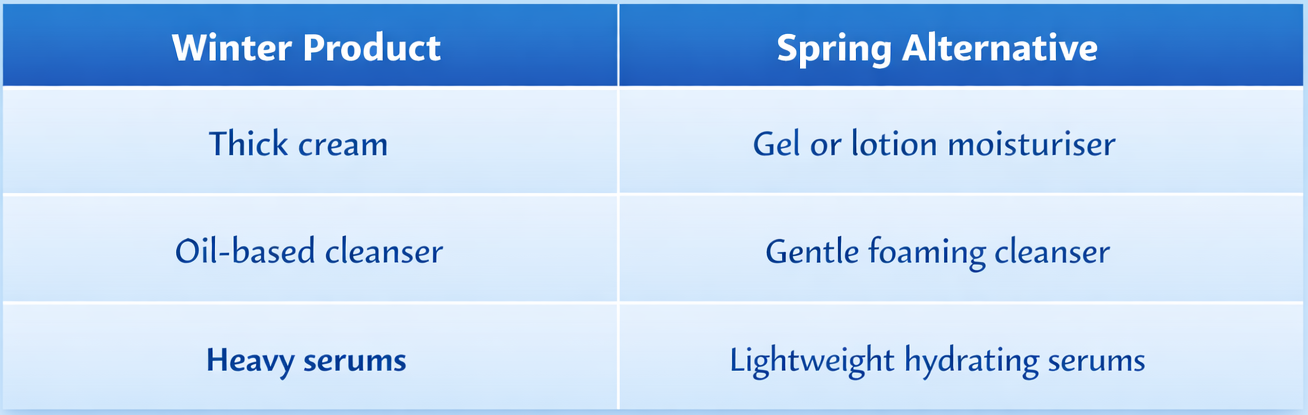
1. Switch to Lighter Products
Heavy creams used in winter may clog pores in spring. Transition to lighter, breathable formulations.
2. Introduce Active Ingredients Carefully
Spring is a great time to incorporate actives that improve skin texture and tone.
Examples:
- AHAs for gentle exfoliation
- Vitamin C for brightness
- Niacinamide for oil control
However, avoid overuse. Start slowly and monitor your skin’s response.
3. Support the Skin Barrier
After winter, your skin barrier needs repair and protection. Look for ingredients like:
- Ceramides
- Panthenol
- Fatty acids
A strong barrier helps your skin retain moisture and defend against environmental stressors.
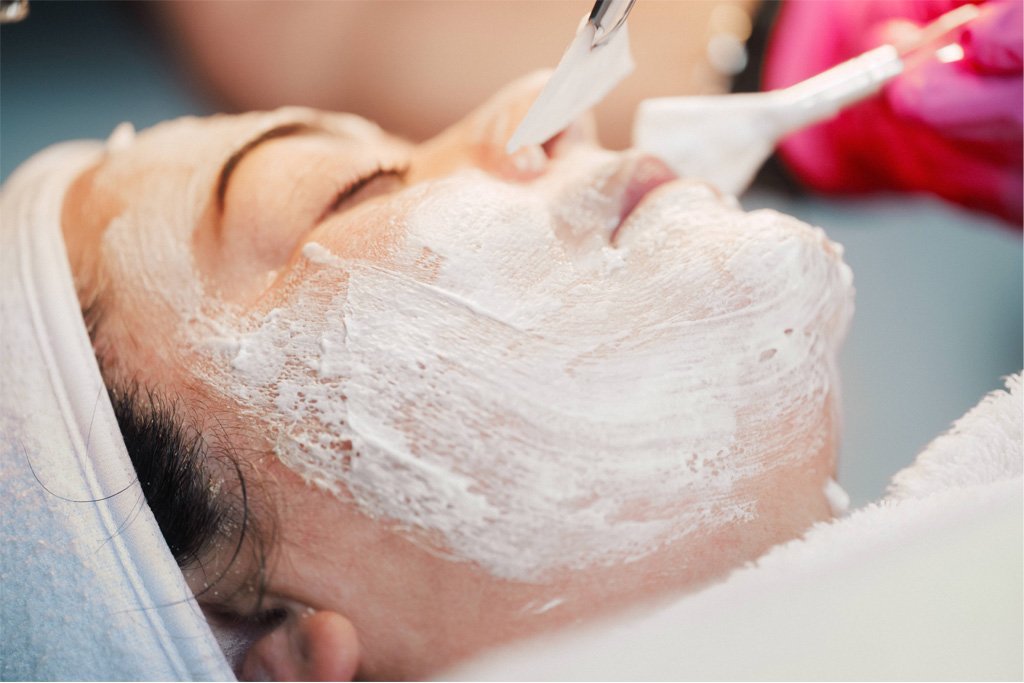
Flowchart: Adjusting Your Spring Skincare Routine
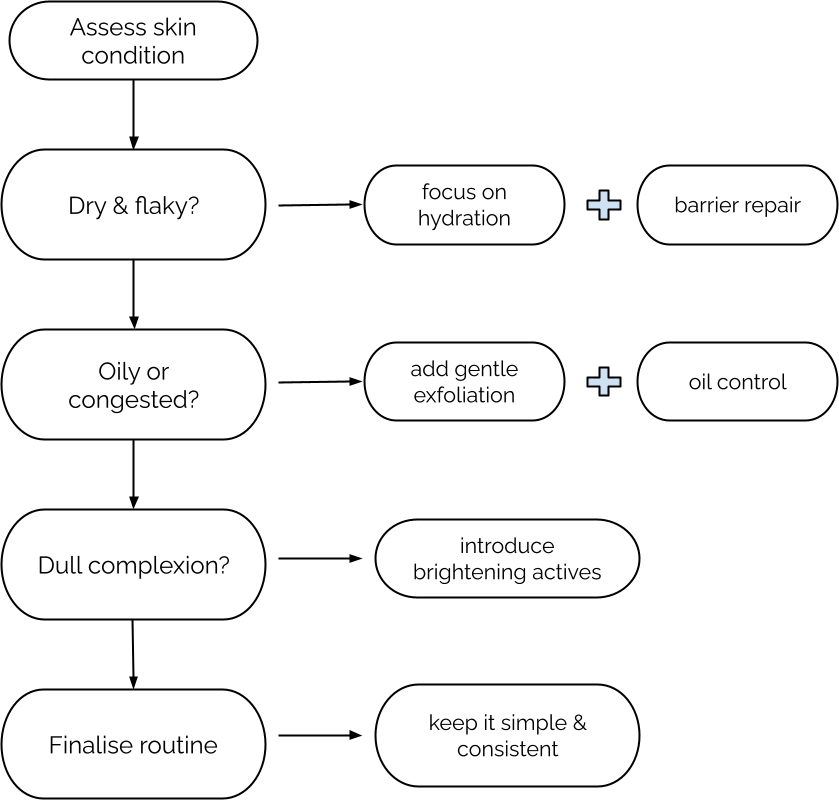
In-Clinic Support (Skin Suite Treatment Pathway)
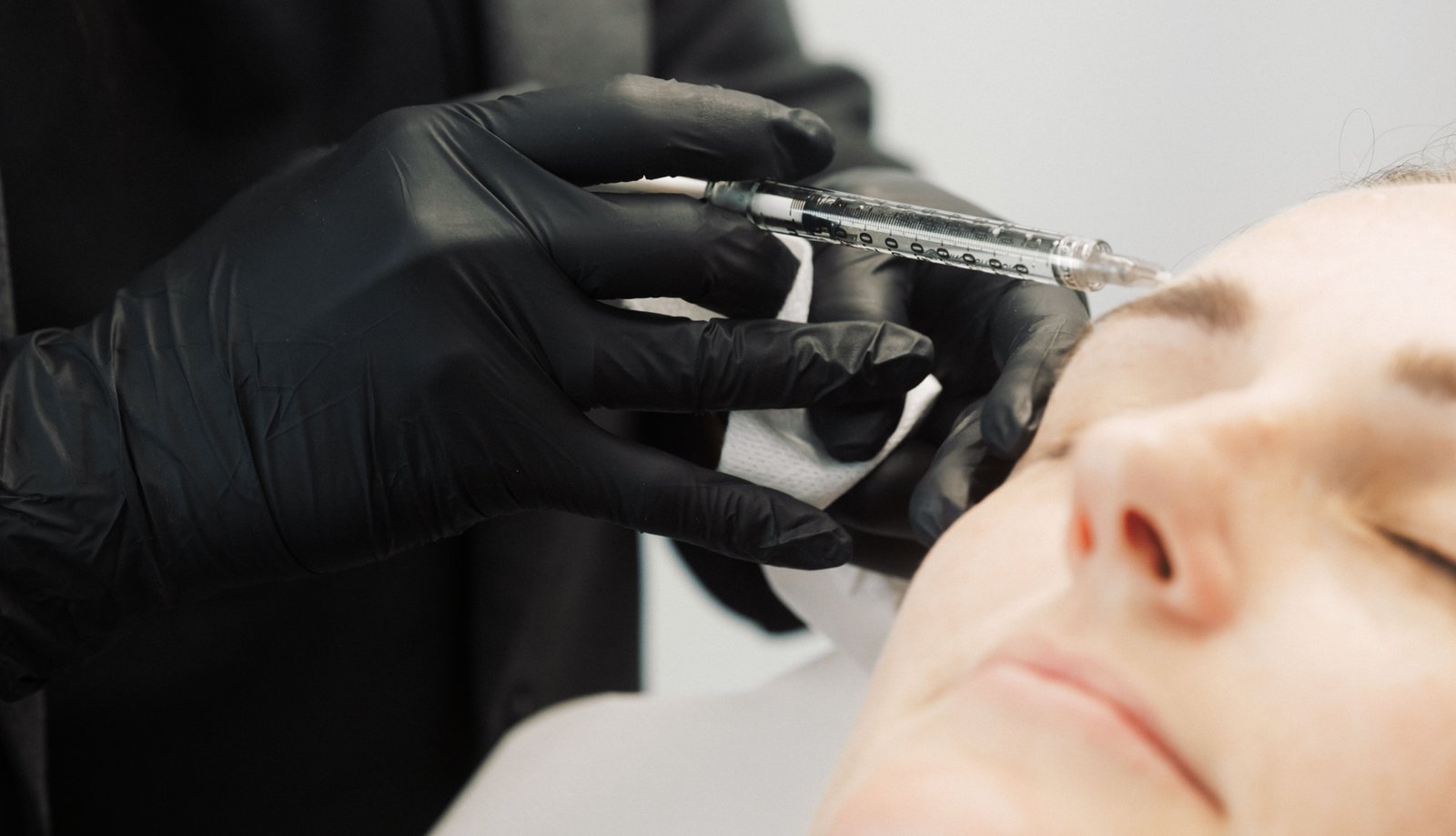
While at-home care is essential, professional treatments can accelerate results and address deeper concerns.
- Consultation-Led Approach
A personalised consultation is the foundation of effective treatment. Experts assess your skin type, concerns, and goals before recommending solutions.
If you’re visiting a skin clinic in Hamilton, this step ensures your treatments are tailored; not generic.
- Tailored Protocols
No two skin types are the same. Clinics design protocols based on:
- Hydration levels
- Sensitivity
- Acne or pigmentation concerns
This customised approach enhances the effectiveness of your spring skincare routine.
- Combination Treatments
Modern skincare often combines multiple treatments for better results.
Examples include:
- Gentle chemical peels + hydration therapy
- LED therapy + calming facials
- Exfoliation + barrier repair treatments
These combinations address multiple concerns simultaneously, improving overall skin health.
Why Consistency Matters
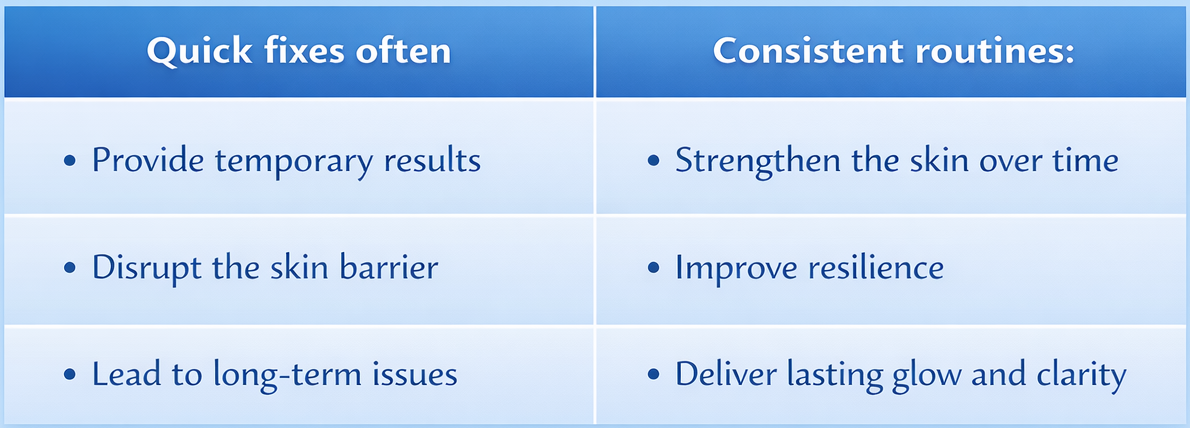
Long-Term Skin Health vs Quick Fixes
It’s tempting to look for instant results, but sustainable skin health requires patience and consistency.
Conclusion
Preparing your skin for spring doesn’t require an overwhelming routine or an extensive product lineup. Instead, a simple, structured approach (focused on hydration, protection, and gradual adjustments) delivers the best results.
By understanding seasonal changes, addressing common concerns, and maintaining consistency, you can transition smoothly into spring with healthier, more radiant skin.
Whether you rely on at-home care or seek professional skincare advice from a trusted skin clinic in Hamilton, the key lies in balance and personalisation.
Ultimately, the most effective spring skincare routine is one that supports your skin’s natural rhythm; helping it recover from winter and thrive in the months ahead.
Bibliography:
- Marisa Russell – 2026 – Spring Skincare: Essential Tips for Glowing Skin This Season [online] Available at:
https://www.meadowandbark.com/blogs/skincare/spring-skincare-essential-tips-for-glowing-skin-this-season - Complete Family Dermatology – 2026 – Spring Skin Renewal: Preparing Your Skin for Warmer Weather [online] Available at:
https://www.completefamilydermatology.com/spring-skin-renewal-preparing-your-skin-for-warmer-weather/ - Louise Thomas – 2026 – Spring Skincare Routine 2026: How to Hydrate Dry Skin & Repair Your Skin Barrier [online] Available at:
https://louisethomasskincare.co.uk/blogs/news/spring-skincare-routine-2026-how-to-hydrate-dry-skin-repair-your-skin-barrier - Sophia Newing – 2026 – What’s the Best Way to Prep Your Skin for Spring & Summer After Winter? [online] Available at:
https://australiangold.co.uk/blogs/news/what-s-the-best-way-to-prep-your-skin-for-spring-summer-after-winter - Skin Science Institute – 2025 – Seasonal Skincare, Adjusting Your Routine Throughout the Year [online] Available at:
https://skinscienceinstitute.com/seasonal-skincare-adjusting-your-routine-throughout-the-year