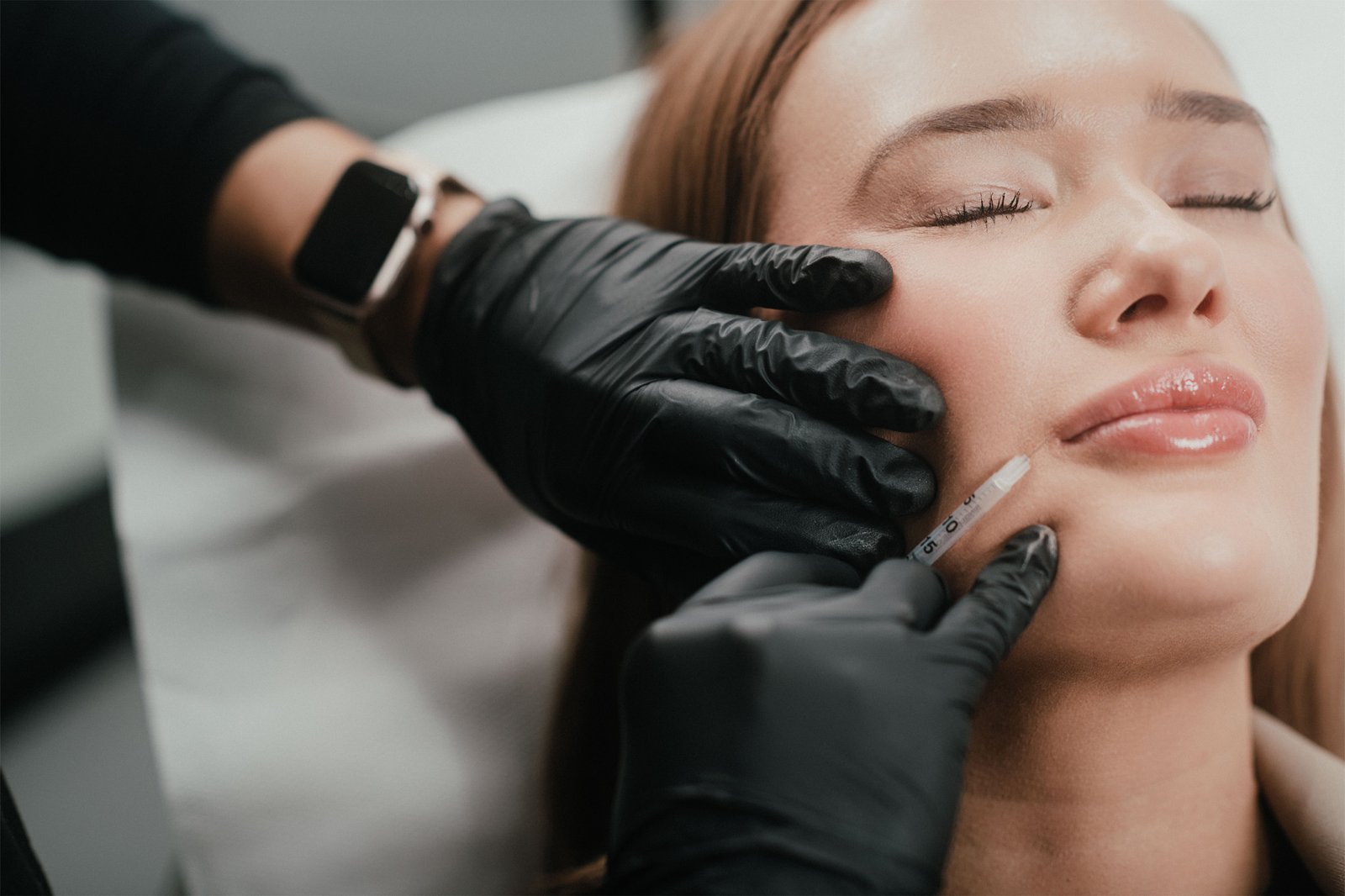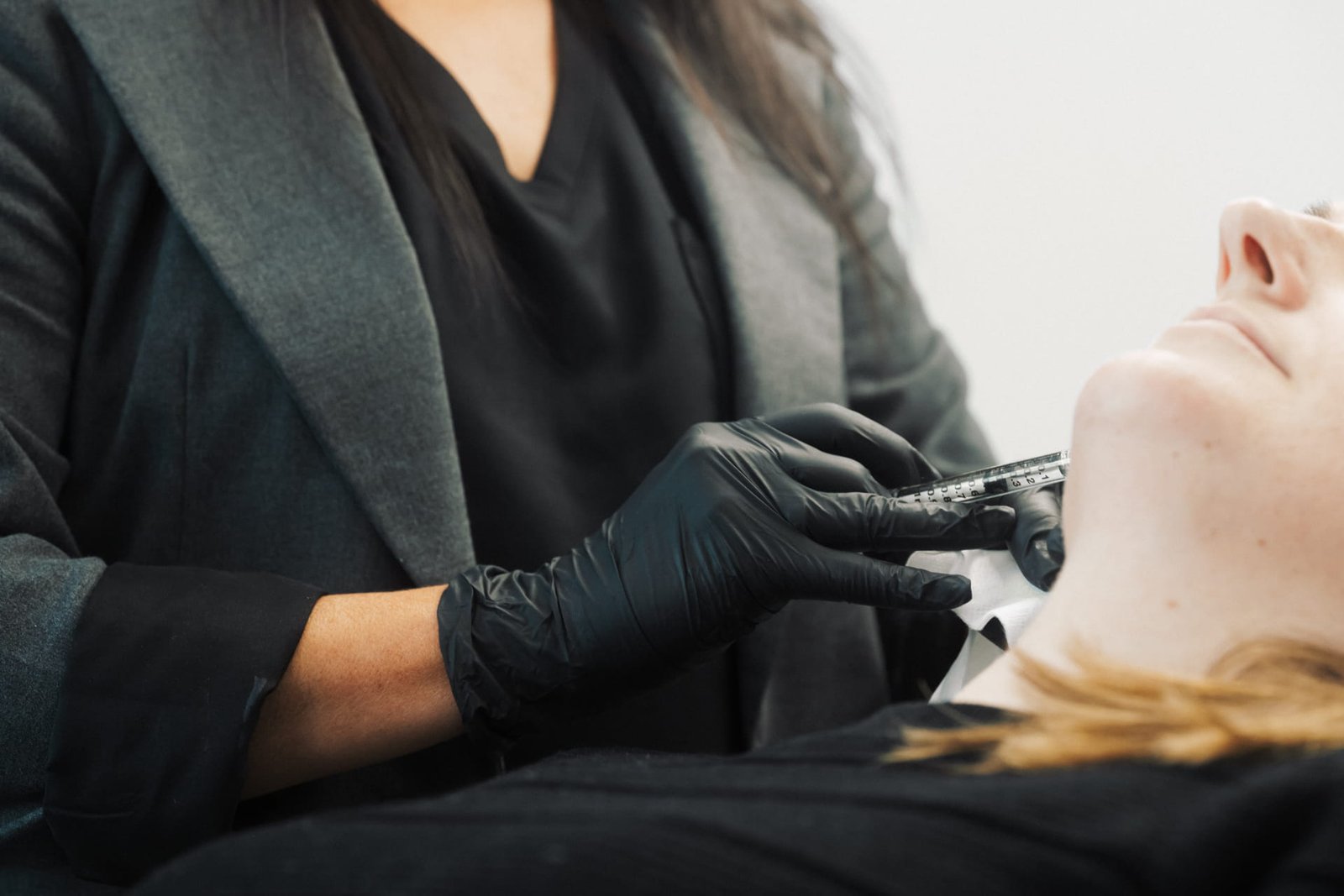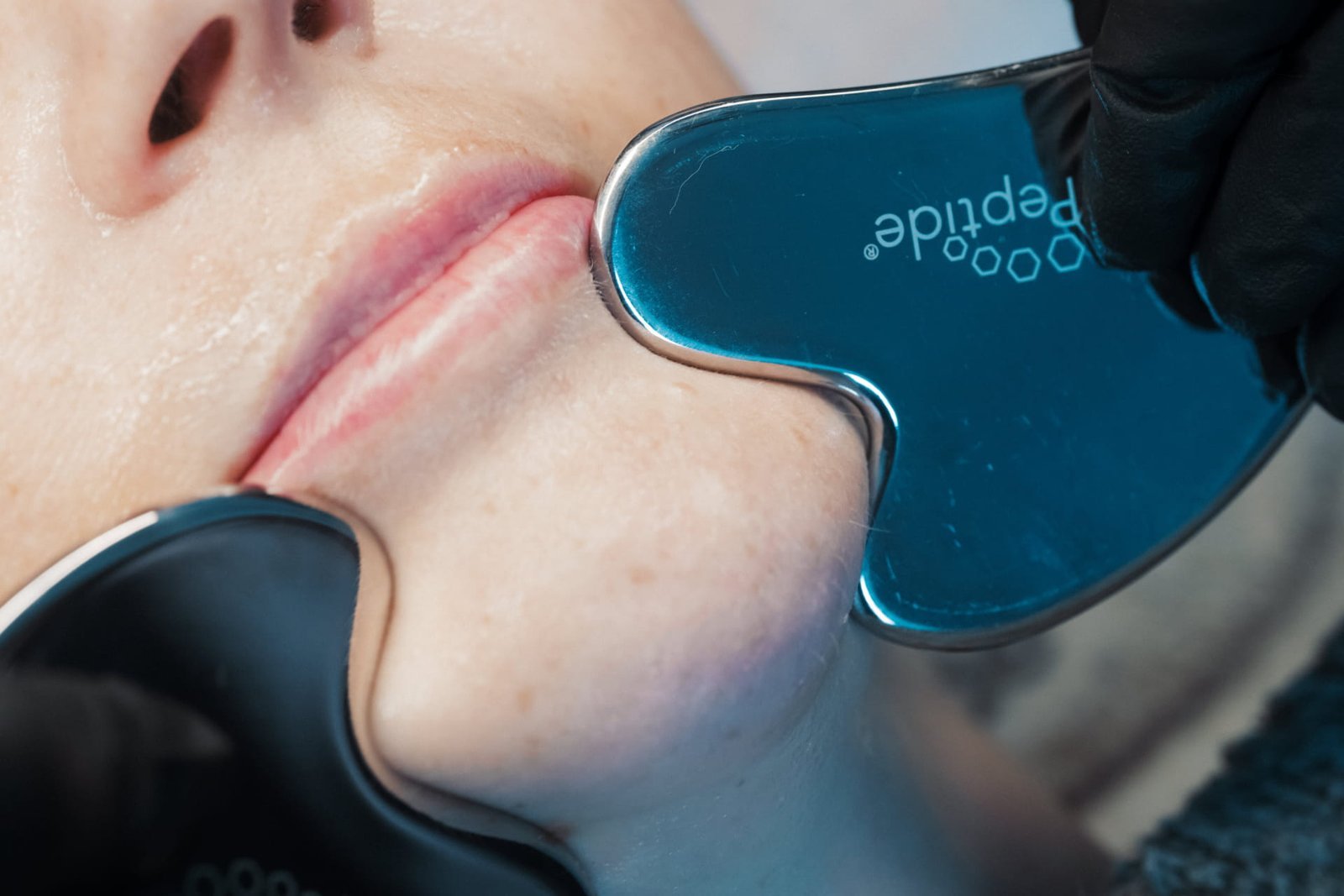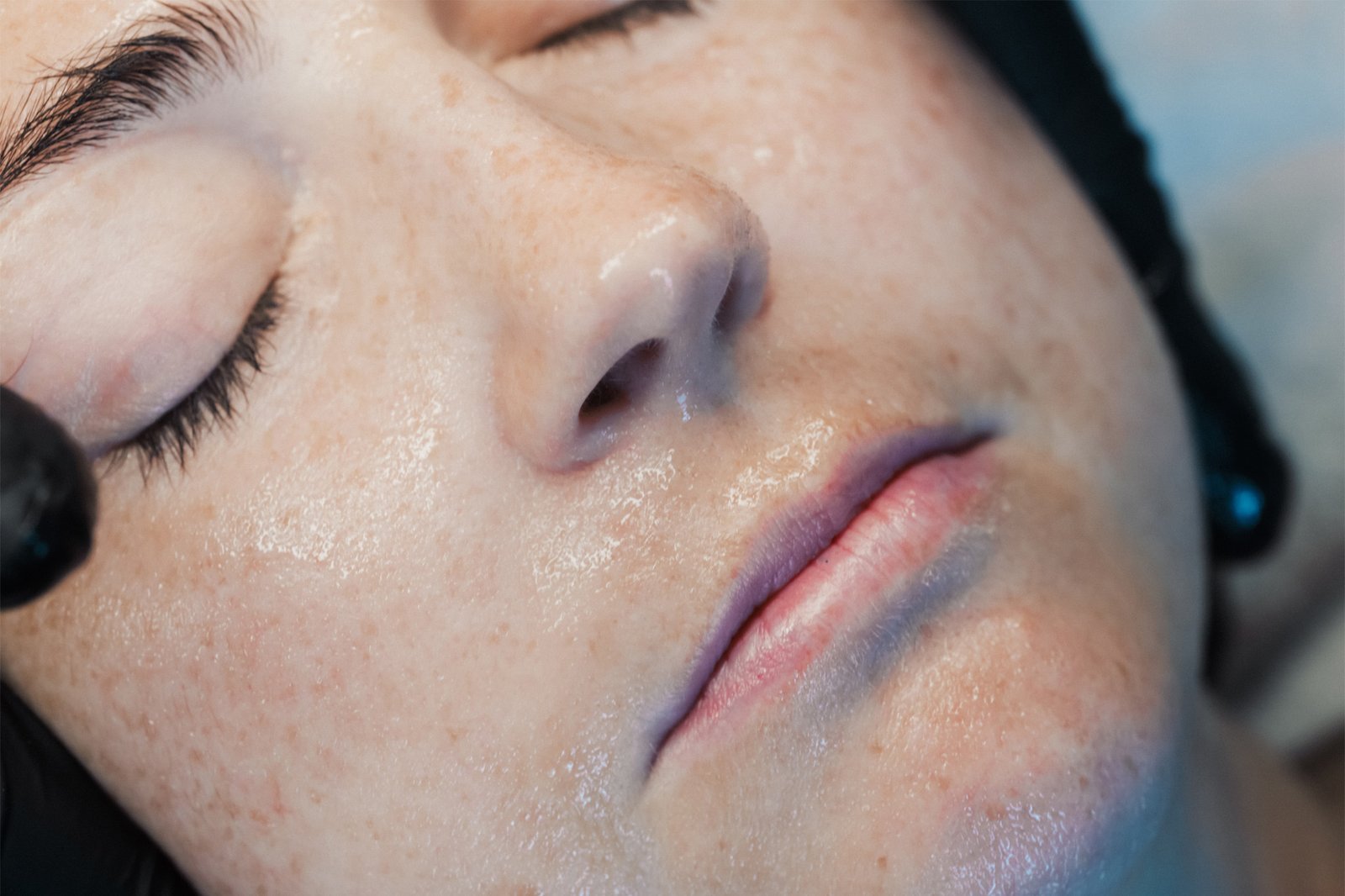
Our skin has a remarkable way of holding memory, with lines that slowly settle into place as we get older.
Among the earliest to emerge are nasolabial lines, forming subtly over time, beginning as soft folds beside the mouth and gradually becoming more defined as facial structure evolves with age.
Nasolabial fold treatment is therefore one of the most frequently requested concerns in facial aesthetics, as the crease running from nose to mouth becomes increasingly noticeable as facial tissues lose support over time.
These nose to mouth lines develop through a combination of structural ageing, repeated facial movement, and gradual collagen depletion within the mid-face and cheek region.
As skin elasticity declines and fat compartments shift downward, the fold deepens, creating shadowing that can make the face appear tired or heavy even when our expression is neutral.

Why the Nasolabial Area Is Challenging
The nasolabial region is particularly complex because it is one of the most dynamic areas of the face, folding repeatedly with every smile, word, and bite.
This constant movement is one reason nose to mouth lines can be resistant to simple volumising approaches, as the crease is shaped not only by volume loss but by ongoing mechanical stress.
As facial fat pads descend and the skin gradually thins, nasolabial folds treatment becomes more difficult, since structural support loss and dermal weakening tend to occur at the same time.
In addition, skin in this area often becomes less elastic with age, reducing its ability to rebound after repeated compression and allowing folds to settle more permanently into place.
Practitioners therefore assess mid-face volume, skin thickness, and ligament support before deciding how to approach nose to mouth lines in a way that looks balanced and natural.
This is why collagen regeneration aesthetics is increasingly favoured for the nasolabial area, as improving skin quality can soften folds while avoiding the heaviness that can come from overfilling [2].
Traditional Fillers vs Regenerative Approaches
For many years, traditional nasolabial folds treatment has relied on placing hyaluronic acid filler directly into the crease to lift and smooth nose to mouth lines with an immediate visible change.
While this can create beautifully softening results in the right patient, the nasolabial fold lies within one of the most expressive areas of the face, constantly moving as we speak, smile, and eat.
In such a dynamic region, repeated filling may sometimes introduce additional weight through the lower face or create a broader appearance over time, particularly if deeper structural support is not addressed holistically.
This is where modern regenerative aesthetics offers a different perspective. It shifts the focus from instant lift to supporting the skin from within and restoring subtle strength where it has been lost.
Collagen regeneration aesthetics gradually rebuilds dermal structure so nasolabial lines soften more naturally as tissue quality improves [1][6].
The goal is not visible volume but gradual, natural facial rejuvenation that respects facial movement and long-term balance [4].
Within this regenerative framework, Juläine treatment embodies the same philosophy, supporting the underlying structural environment of nasolabial folds rather than merely disguising their appearance [5].

What Is Juläine? A Dermal Bio-Activator Explained Simply
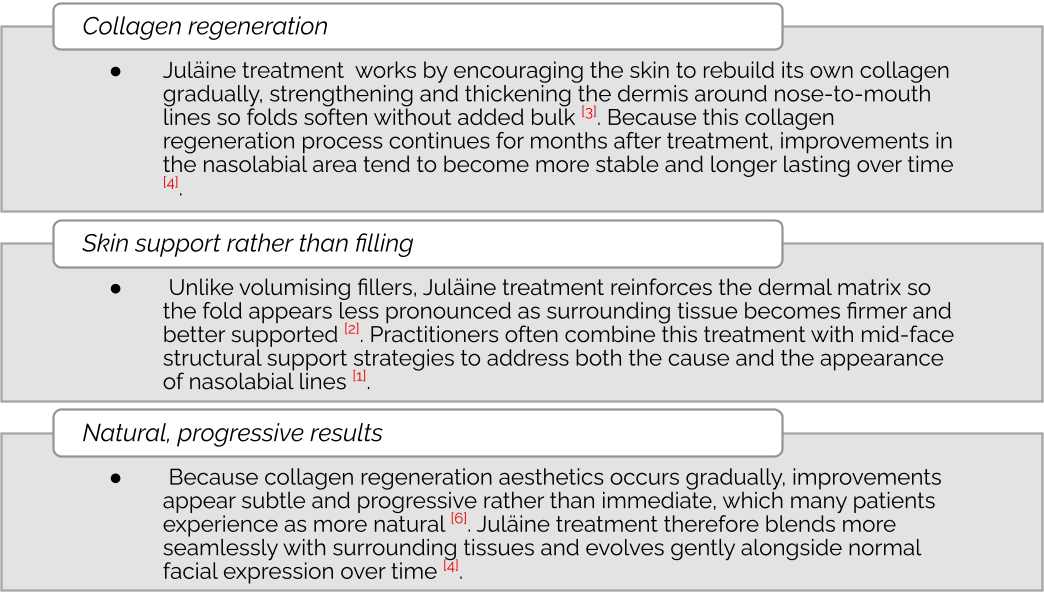
Juläine treatment is a PLLA-based dermal bio-activator designed to activate fibroblasts and stimulate new collagen formation within the dermis, rather than acting as a space-occupying filler [3].
Unlike traditional fillers, Juläine treatment integrates into the tissue and gradually improves skin thickness, elasticity, and structural resilience over time [1][6].
This is why Juläine treatment is particularly suited to collagen regeneration aesthetics, as it restores biological support instead of simply adding artificial volume [2].
Why Juläine Works Well for Nasolabial Folds
Who Is Suitable for Juläine Nasolabial Treatment
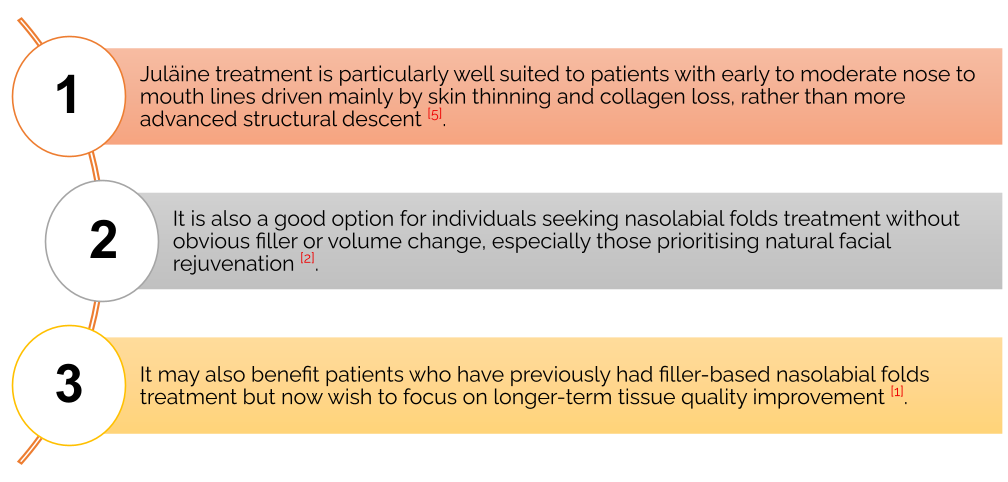
Suitability for Juläine treatment is assessed through careful evaluation of skin quality, fold depth, facial movement patterns, and overall collagen health [3].
What Results to Expect and What Not to Expect
Conclusion: Why Assessment Matters
Successful nasolabial folds treatment begins with careful facial assessment, as nasolabial lines reflect a blend of movement, skin quality, and structural support changes over time.
At Dr. Lauren’s Hamilton Aesthetics Clinic, we prioritise facial rejuvenation principles when planning Juläine treatment for this area, ensuring treatment aligns with individual tissue needs and facial dynamics.
If you would like to explore personalised collagen treatment, book a consultation at our clinic to discover whether this treatment is suitable for your facial rejuvenation goals.
BIBLIOGRAPHY
- Aesthetica Medical. (n.d.). Juläine collagen biostimulator. [online] Available at:
https://www.aesthetica-medical.co.uk/julaine-collagen-biostimulator - Cosmetic Skin Clinic. (n.d.). Juläine collagen biostimulator. [online] Available at:
https://www.cosmeticskinclinic.com/premium-brands/julaine/ - Dr Sheila Clinic. (n.d.). Juläine PLLA biostimulator treatment London. [online] Available at:
https://drsheila.co.uk/treatments/julaine-plla-biostimulator-treatment-london/ - Harley Street Injectables. (n.d.). Juläine collagen biostimulator. [online] Available at:
https://www.harleystreetinjectables.com/julaine - Skinfinity Clinic. (n.d.). Juläine biostimulator treatment. [online] Available at:
https://www.skinfinityclinic.co.uk/treatments/julaine-biostimulator - Skin Medical. (n.d.). Juläine biostimulator. [online] Available at:
https://skinmedical.com/our-brands/julaine/