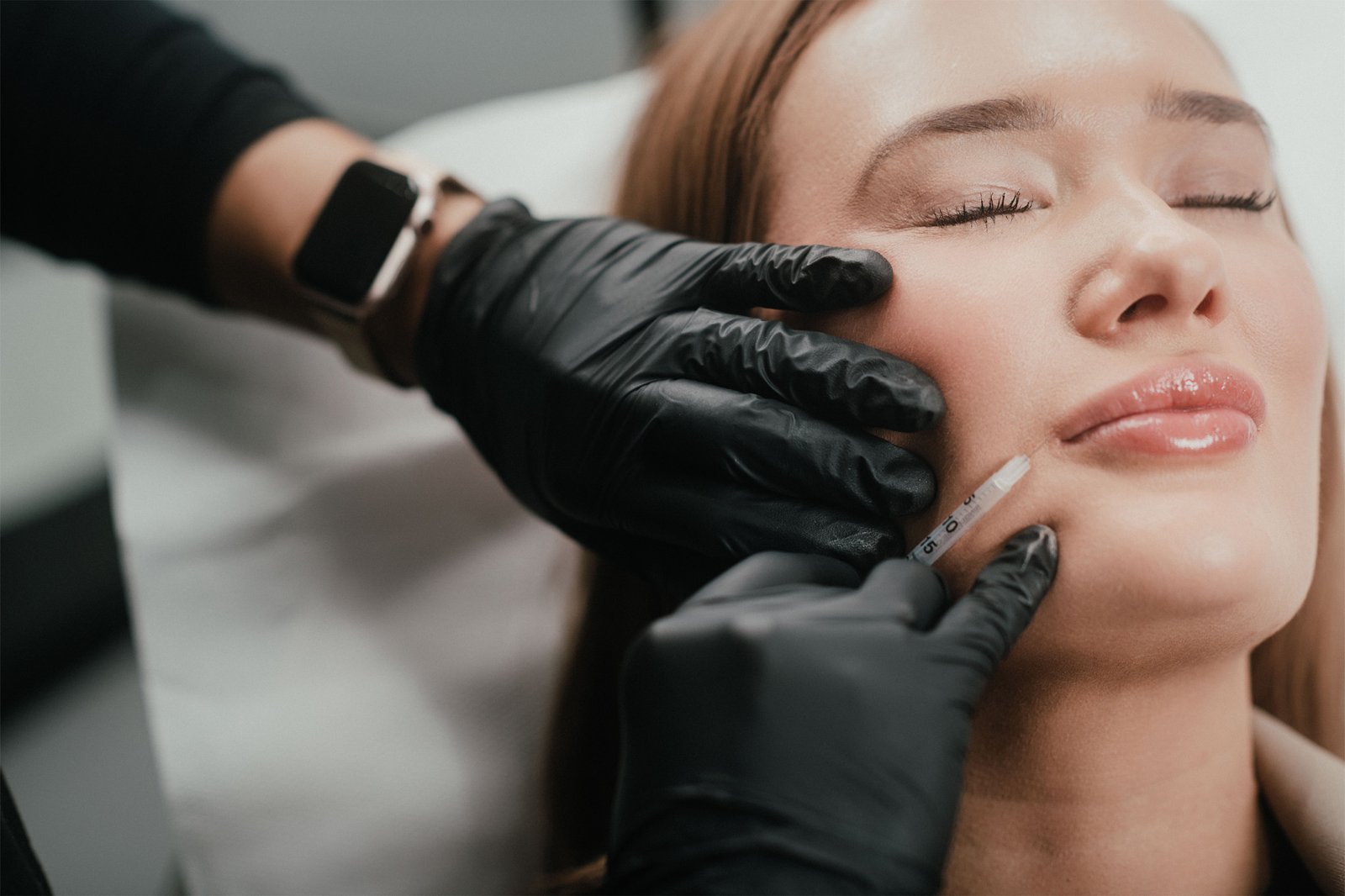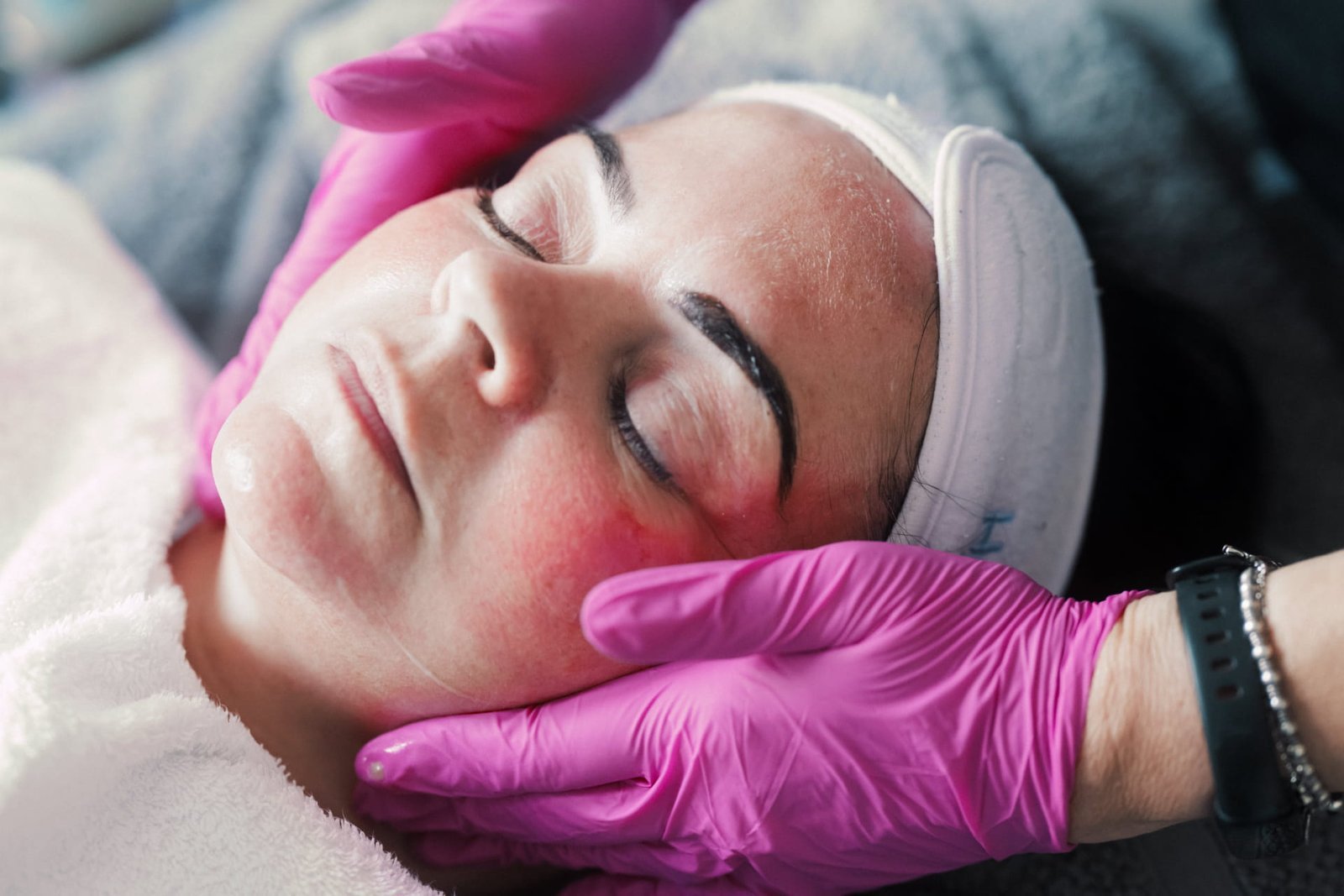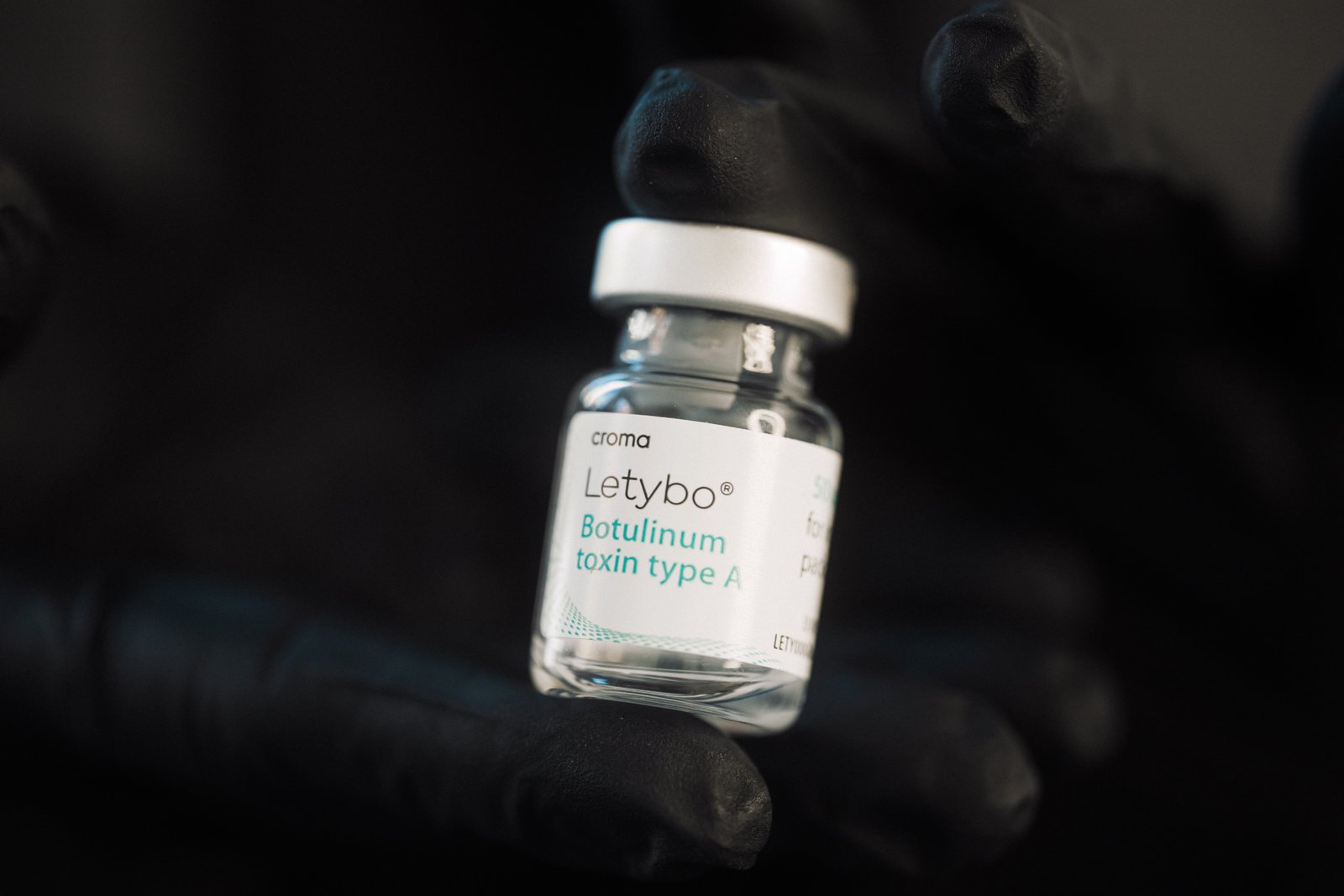
It’s a familiar scenario: a holiday is booked, outfits are planned, and excitement builds as the departure date approaches.
Alongside packing and travel arrangements, many patients begin to think about their appearance; wanting to look refreshed, youthful, and photo-ready.
This often leads to last-minute bookings for injectables, squeezed into busy schedules just days before flying out.
While the intention is understandable, this reactive approach can sometimes lead to unnecessary stress and less-than-ideal results. Injectable treatments such as Botox and dermal fillers are not instant fixes.
They require time to settle, integrate, and reveal their full effect. Ignoring this can result in visible side effects at exactly the wrong moment.
This is where aesthetic treatment timing becomes essential. Instead of rushing into procedures, a more thoughtful, strategic approach ensures that treatments enhance your experience rather than complicate it.
Knowing when to proceed (and when to pause) can make all the difference between confidence and concern.

Why timing matters
Injectables work in harmony with your body, and that process takes time. Whether it’s Botox relaxing muscles or fillers adding volume, results evolve gradually rather than appearing instantly. Understanding this timeline is critical to achieving natural-looking outcomes.
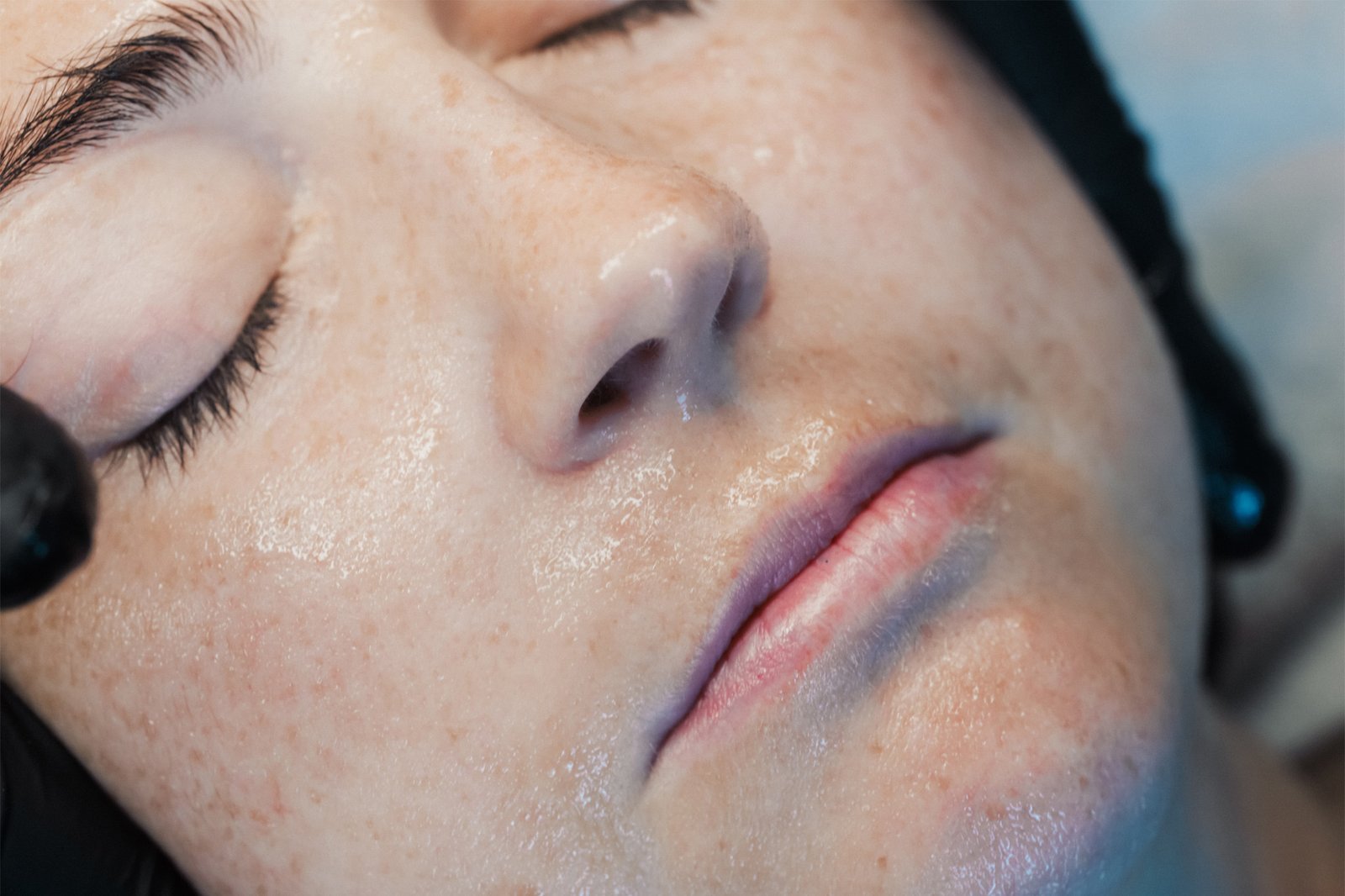
After treatment, it is common to experience:
- Mild to moderate swelling
- Bruising at injection sites
- Temporary redness or tenderness
- Slight asymmetry before the product settles
While these effects are temporary, they can last several days and occasionally longer depending on the individual. This becomes particularly important when travel plans are involved.
Healing and results timeline:
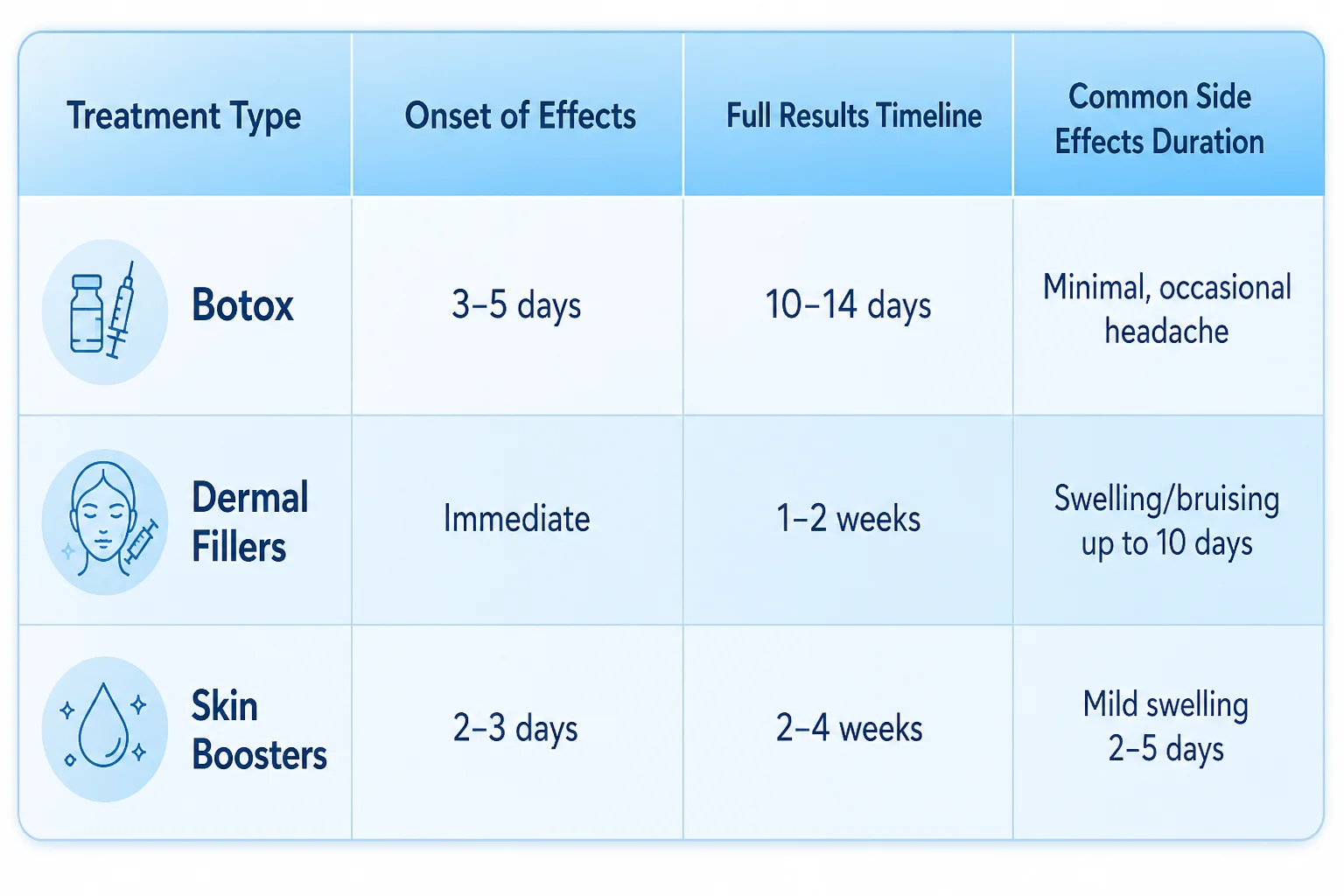
External factors also play a significant role. Air travel, especially long-haul flights, can increase fluid retention and worsen swelling.
Sun exposure in warmer destinations may heighten skin sensitivity, while dehydration during travel can affect overall skin quality.
This is why safe aesthetics planning extends beyond the clinic. It involves considering your environment, travel schedule, and how your body responds to treatment.
Without this awareness, even well-performed procedures can feel inconvenient or poorly timed.
Treating before travel
Contrary to popular belief, having injectables before a holiday is not inherently problematic. In fact, when done correctly, it can enhance your confidence and allow you to enjoy your trip without worrying about your appearance.
The key lies in preparation and timing.
Recommended pre-travel timeline
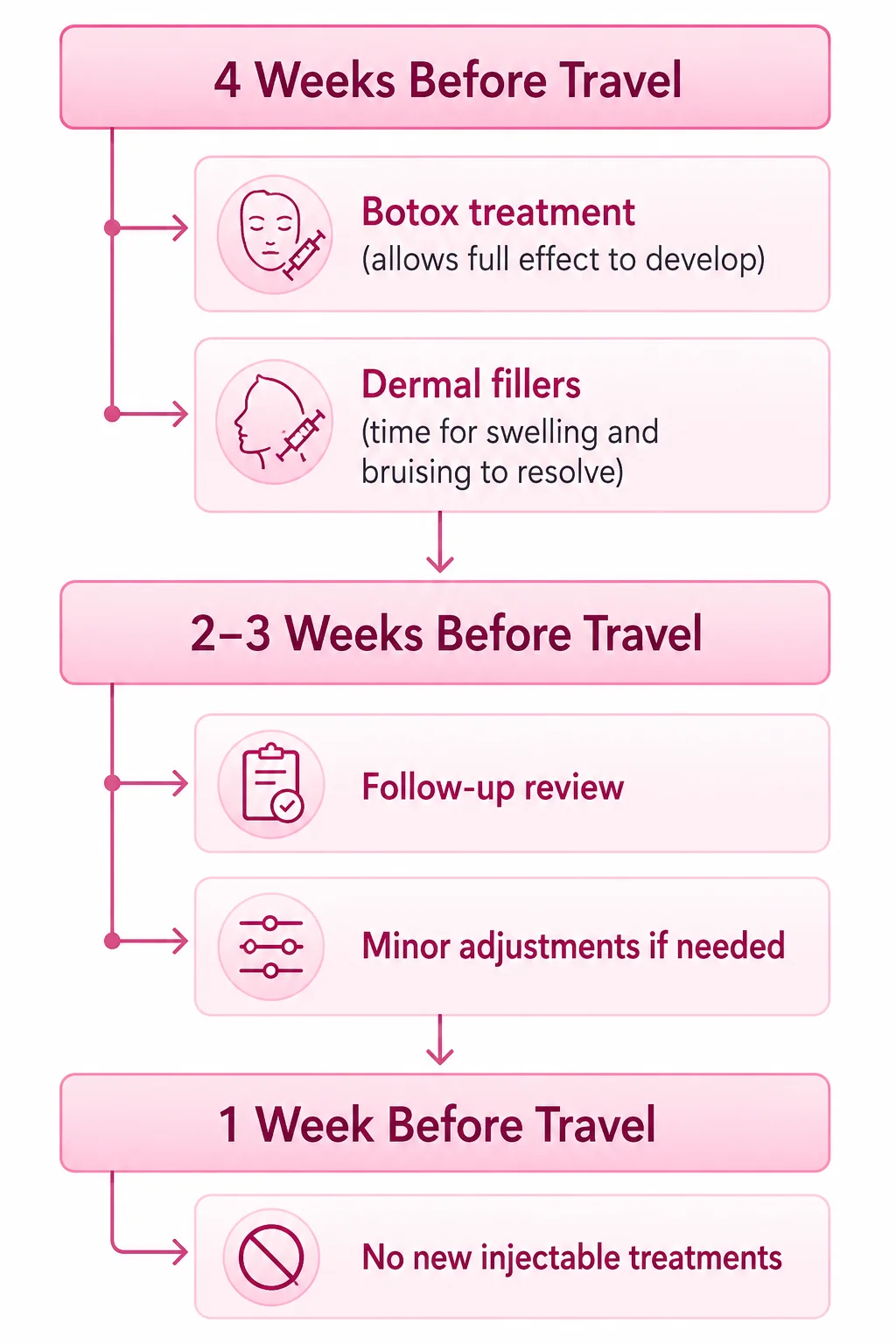
For patients considering Botox before holiday in the UK, planning at least three to four weeks in advance is ideal. This ensures the treatment has reached its full effect and provides time for any refinements if necessary.
Similarly, fillers before travel can deliver excellent results when scheduled early. Areas such as lips and cheeks often appear slightly swollen immediately after treatment, but settle into a more natural look within one to two weeks.
Suitable treatments before travel:
- Anti-wrinkle injections with adequate lead time
- Subtle volumising fillers
- Skin hydration treatments planned well in advance
By aligning treatments with your travel schedule, you can avoid unwanted side effects during your trip and enjoy the benefits at their peak.
When to pause
Despite the advantages of planning ahead, there are situations where delaying treatment is the better choice. Not every timeframe is suitable for injectables, and recognising when to wait is just as important as knowing when to proceed.
When it’s better to delay
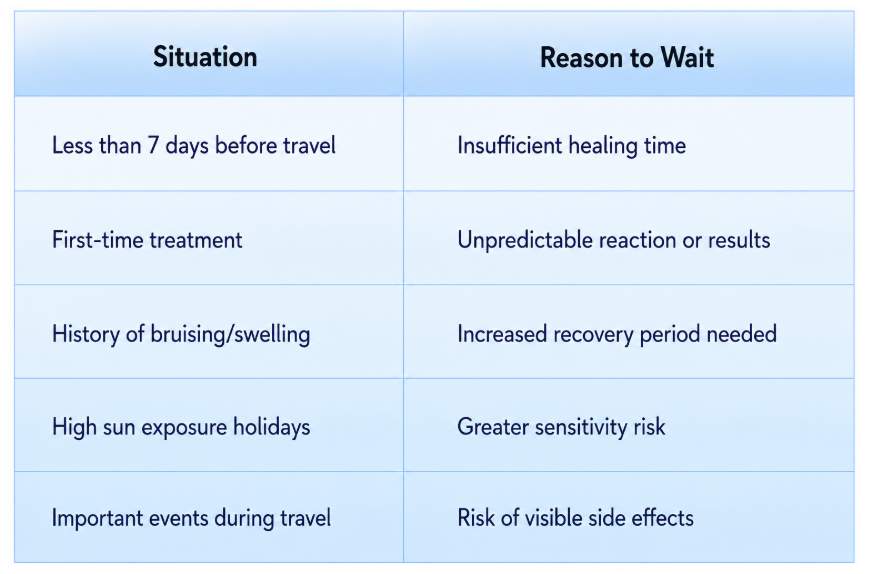
If you are wondering when to get Botox, the answer should always factor in your schedule. Rushing into treatment just before a flight or major event increases the likelihood of dissatisfaction.
There is also a psychological benefit to waiting. Aesthetic treatments should be approached with clarity and confidence, not urgency. Taking time allows for:
- Better consultation and decision-making
- Realistic expectations
- Reduced pressure and anxiety
In many cases, postponing treatment until after your holiday allows you to recover comfortably at home and fully appreciate the results without distraction. Waiting is not a setback; it is often a smarter, more controlled approach.
Planning properly
The most successful aesthetic outcomes come from long-term thinking rather than last-minute decisions. Injectables should be part of a broader, well-structured plan that considers your lifestyle, skin health, and future goals.
A structured planning approach
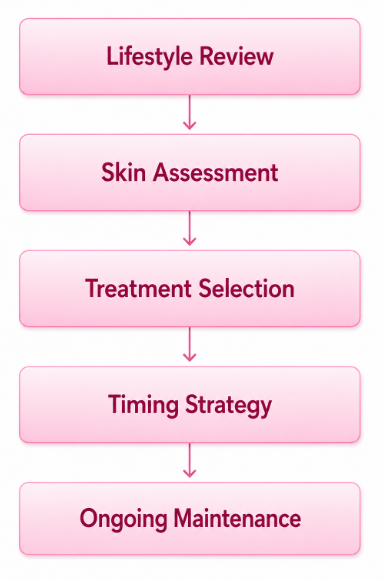
This framework reflects the principles of safe aesthetics planning, ensuring treatments are both effective and sustainable.
Key principles for smart planning:
1. Start with a professional consultation
A detailed consultation helps identify your needs, timeline, and the most suitable treatments.
2. Prioritise gradual improvements
Subtle, staged treatments often produce more natural and refined results than multiple procedures done at once.
3. Consider seasonal factors
Sun exposure, climate, and travel plans should influence your treatment schedule.
4. Build a maintenance routine
Rather than relying on one-off treatments, regular maintenance ensures consistent, long-term results.
5. Align with lifestyle events
Plan treatments around key dates (holidays, weddings, or professional commitments) to avoid unnecessary stress.
By focusing on intentional aesthetic treatment timing, patients can achieve results that enhance their natural features while fitting seamlessly into their lives.
Conclusion
Injectable treatments are as much about timing as they are about technique. The decision to treat (or to wait) can significantly impact both your experience and your results.
Whether you are considering Botox before holiday in the UK, exploring fillers before travel, or simply deciding when to get Botox, the most important factor is planning ahead.
A rushed approach often leads to avoidable complications, while a thoughtful strategy allows treatments to work in harmony with your schedule.
Ultimately, aesthetics should support your lifestyle, not disrupt it. By embracing safe aesthetics planning and taking a measured, informed approach, you can ensure that your results are not only effective but also stress-free.
The best outcomes are rarely achieved in a hurry. They come from patience, preparation, and a clear understanding of what your skin needs and when it needs it.
Bibliography:
- Anna Ronen – 2026 – Injectables 101: Everything You Need to Know [online] Available at:
https://www.novuskin.com/all-about-face-injectables-reviews/ - Alice Henshaw – 2026 – The 12-Month Injectable Roadmap: How Experts Actually Plan Full-Face Rejuvenation [online] Available at:
https://www.harleystreetinjectables.com/blog/12-month-injectable-roadmap - Cape Cod Plastic Surgery – 2025 – How Often Do You Need Botox? A Patient’s Guide to Scheduling [online] Available at:
https://www.ccplasticsurgery.com/blog/how-often-do-you-need-botox - Ageless – 2025 – Preventative Botox: When Is the Right Time to Start? [online] Available at:
https://agelessindy.com/preventative-botox-when-is-the-right-time-to-start/ - Margaret Haley – 2025 – How Often Should You Get Injectables? A Smart Guide to Staying Naturally Radiant [online] Available at:
https://www.dermaspalogy.com/how-often-should-you-get-injectables-a-smart-guide-to-staying-naturally-radiant/