In recent years, the aesthetics industry in the UK has experienced explosive growth. With that growth has come increasing concern around safety, standards and who is qualified to perform medical aesthetic procedures.
For too long, gaps in regulation have left patients vulnerable to underqualified or unethical providers. But things are changing. The government is taking long-overdue steps to regulate the industry, and patients deserve to know what that means.
Now, the tide is turning; especially in Scotland, where medical aesthetics regulations are beginning to set a new, safer standard.
Here’s what you need to know about the changing landscape of medical aesthetics regulations, and how you can make safe, informed choices for your face and body.
What’s Changing
In response to growing public concern and pressure from medical professionals, the government has committed to tightening up aesthetics regulations. A new licensing scheme is in the works, set to impact the entire UK; but Scotland is already ahead of the curve.
Key changes include:
- Mandatory licensing for all practitioners offering non-surgical cosmetic procedures like Botox, fillers, and thread lifts.
- Premises inspections to ensure clinical environments meet hygiene and safety standards.
- A clearer definition of what constitutes a medical aesthetic procedure and who is qualified to perform them.
- Increased patient protection, with strict enforcement on advertising and consent processes.
In Scotland, where the government has already taken steps to regulate healthcare professionals more tightly, these changes could go even further.
The Scottish Government has proposed a national register for aesthetic practitioners, meaning those operating illegally or unqualified could be shut down swiftly.
Why It’s Needed
You might ask, why now? The answer lies in growing public concern. With an increase in demand for cosmetic treatments, there’s also been a rise in mismanaged procedures, infections and long-term complications; often at the hands of underqualified practitioners.
In Scotland especially, where regulatory frameworks are becoming more robust, patients can soon expect:
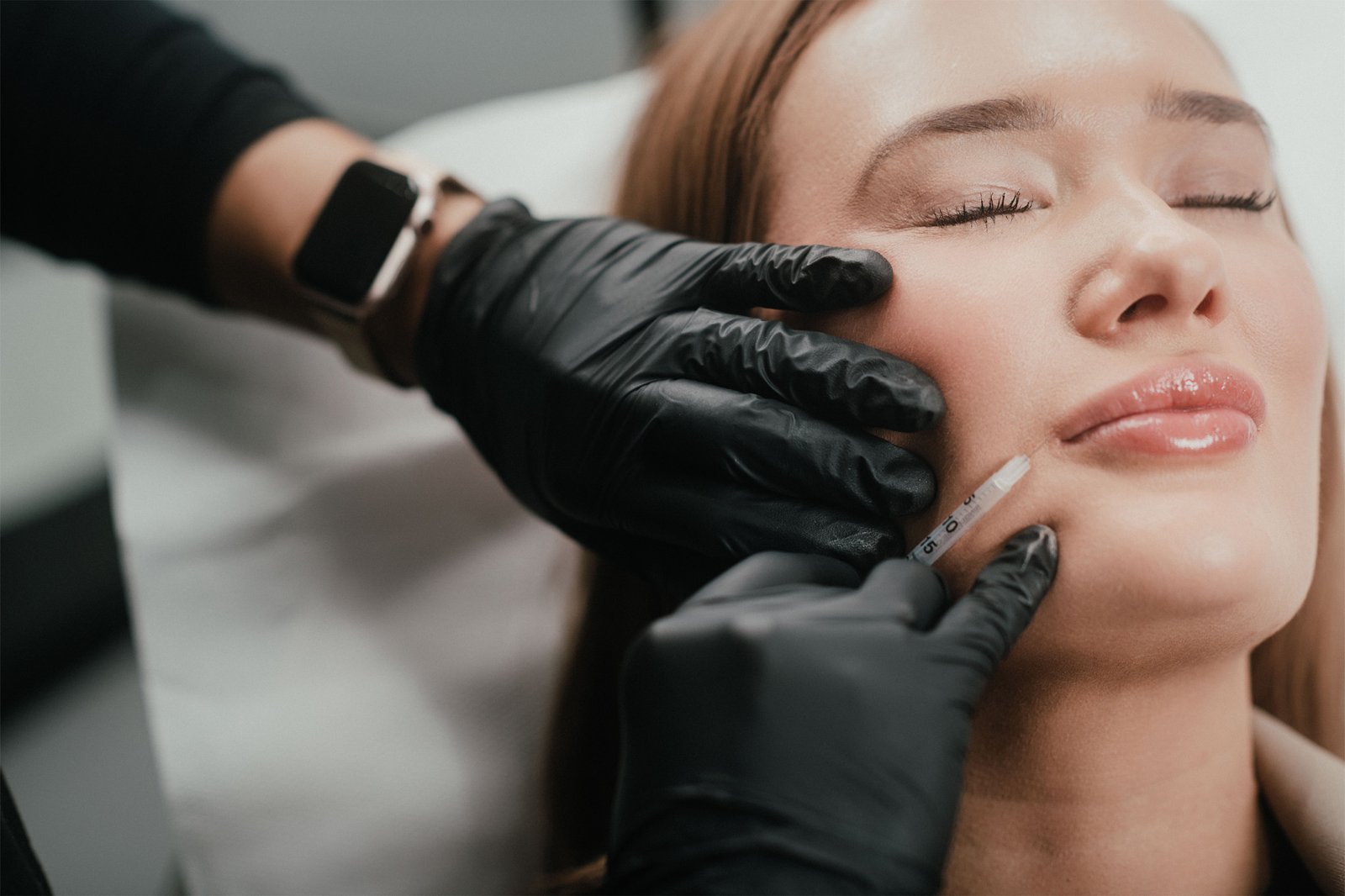
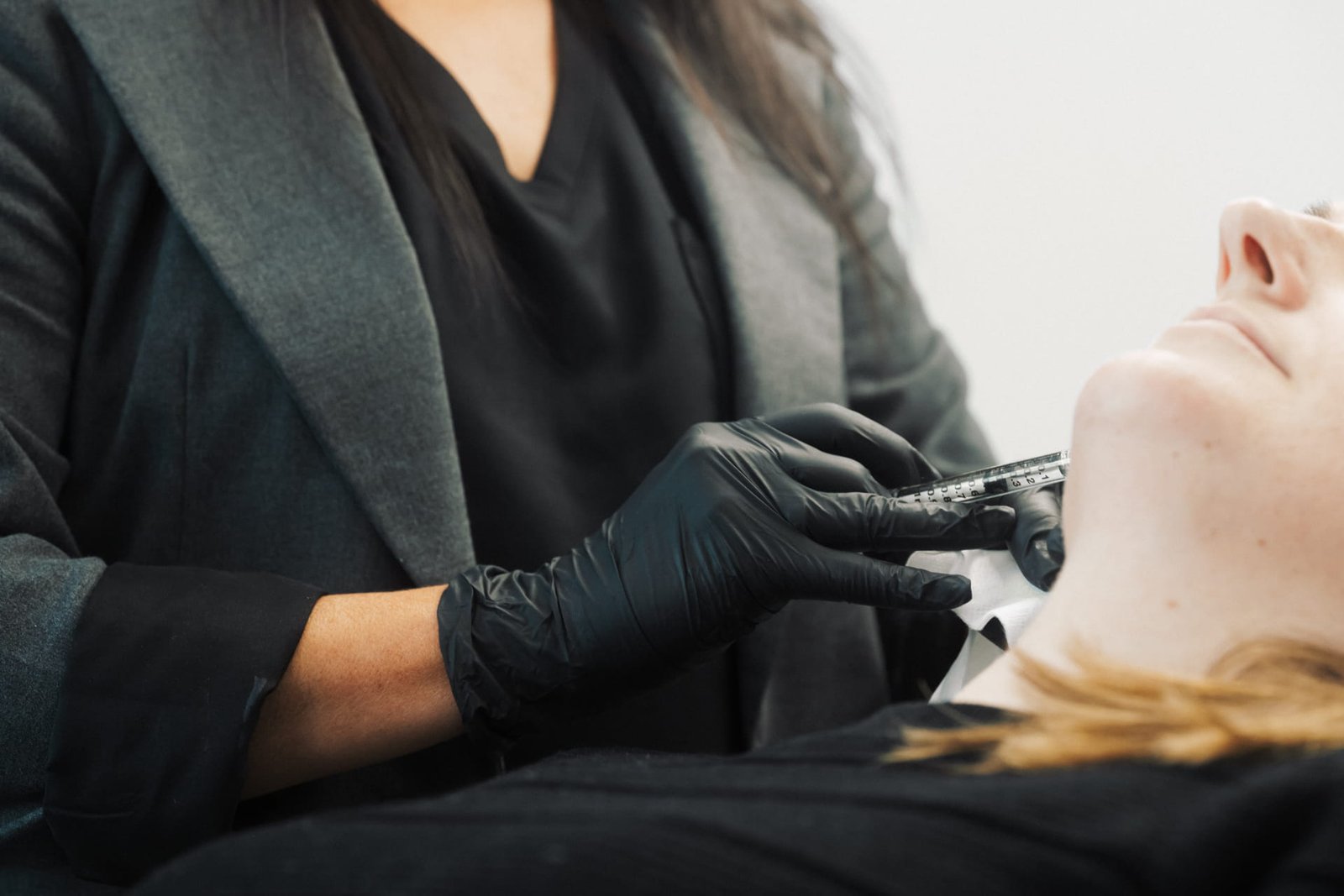
- Patient Safety: Treatments like Botox and fillers may seem routine, but they are medical procedures. Injecting near nerves, arteries or the eyes comes with risks (blindness, vascular occlusion or even permanent disfigurement). Only trained professionals can recognise and manage these risks.
- Professional Standards: Until now, there’s been no universal benchmark for training or ethics in the UK aesthetics industry. A licensing scheme helps standardise who is qualified to treat your face.
- Public Awareness: Many patients wrongly assume that all practitioners are medically trained. New regulations will help clarify the difference between medically qualified professionals and unregulated injectors.
How to Choose a Safe, Skilled Practitioner Now
While we wait for the new licensing laws to take full effect, it’s crucial that patients know how to choose a safe, skilled aesthetics practitioner right now. The best protection is being informed.
Here’s what to look for:
- Medical Qualifications: Always choose a practitioner with a medical background; ideally a doctor, dentist or nurse prescriber. Ask if they’re GMC-, GDC-, or NMC-registered.
- Full-Face Understanding: Aesthetic work isn’t just about injections; it’s about anatomy, proportions and facial harmony. Choose someone trained to assess and treat the face holistically.
- Insurance and Ethics: A reputable practitioner will have medical indemnity insurance and adhere to a professional code of ethics.
- Experience Matters: Look for someone with proven experience in aesthetic procedures, not just a weekend course certificate. Ask to see before-and-after photos and patient testimonials.
- Use verified clinics: In Scotland, look for clinics registered with Healthcare Improvement Scotland (HIS), which regulates independent healthcare providers.
By choosing carefully, you not only protect your health; you ensure you get results that enhance your natural beauty, rather than compromise it.
What to Ask Before You Book
Before booking any treatment, arm yourself with the right questions. These can help you separate safe, ethical providers from those who may be putting your face (and your trust) at risk.
Ask your practitioner:
- What are your medical qualifications and registrations?
- How long have you been performing aesthetic treatments?
- Do you have insurance?
- What happens if something goes wrong—how do you manage complications?
- Do you offer a consultation and cooling-off period before treatments?
- Are your treatments evidence-based and tailored to individual needs?
If any of these questions are met with vague or defensive answers, consider that a red flag.
Our Standards at Dr. Lauren Medical Aesthetics
At Dr. Lauren Medical Aesthetics, patient safety and clinical excellence are at the heart of everything we do. In an industry still catching up with proper oversight, we’re proud to set and exceed the highest standards.
- GMC-Registered Doctor: Dr. Lauren is a registered medical doctor with years of experience in both NHS and private aesthetics practice.
- patient-Centred Approach: We believe aesthetics should be empowering, not pressurising. Every treatment starts with a no-obligation consultation.
- Safe, Ethical, Evidence-Based: We only offer treatments that are clinically proven and tailored to your unique anatomy and goals.
- Emergency Protocols and Aftercare: We are trained in managing complications, and every patient receives full aftercare and follow-up.
When you choose Dr. Lauren Medical Aesthetics, you’re not just booking a treatment; you’re choosing peace of mind.
Ready to Feel Confident in
Your Care?
The world of aesthetic medicine is evolving, and regulation is finally catching up. But your safety shouldn’t have to wait for laws to change.
Want to know more about who’s treating you? Book a free consultation and feel confident you’re in qualified hands.
Bibliography
- Aesthetic Hub – 2025 – New Regulations for Aesthetics 2025- Industry Update [online] Available at:
https://smileworks-hub.co.uk/free-resources-news/new-regulations-for-aesthetics-2025/ - Aesthetic Advisor – 2024 – The changing face of cosmetic surgery [online] Available at:
https://aestheticadvisor.com.au/the-changing-face-of-cosmetic-surgery/