Skin Tag Removal in Hamilton: Safe, Professional & Doctor-Led
Our skin is constantly changing, and every so often, a new little lump, bump or mark seems to appear out of nowhere. Skin tags are a perfect example. They’re usually harmless, but that little skin tag that keeps catching on your necklace or rubbing against your collar can quickly become more annoying than its size would suggest.
And while it might be tempting to simply get rid of it, when it comes to anything on your skin, knowing exactly what you’re treating matters. That’s because other skin growths can sometimes look similar to skin tags, which is why professional assessment should always come before removal [1][3][8].
At Dr Lauren Medical Aesthetics, our new service for skin tag removal in Hamilton brings professional assessment and precise CryoPen treatment together, with patient safety and skin health at the centre of every decision.
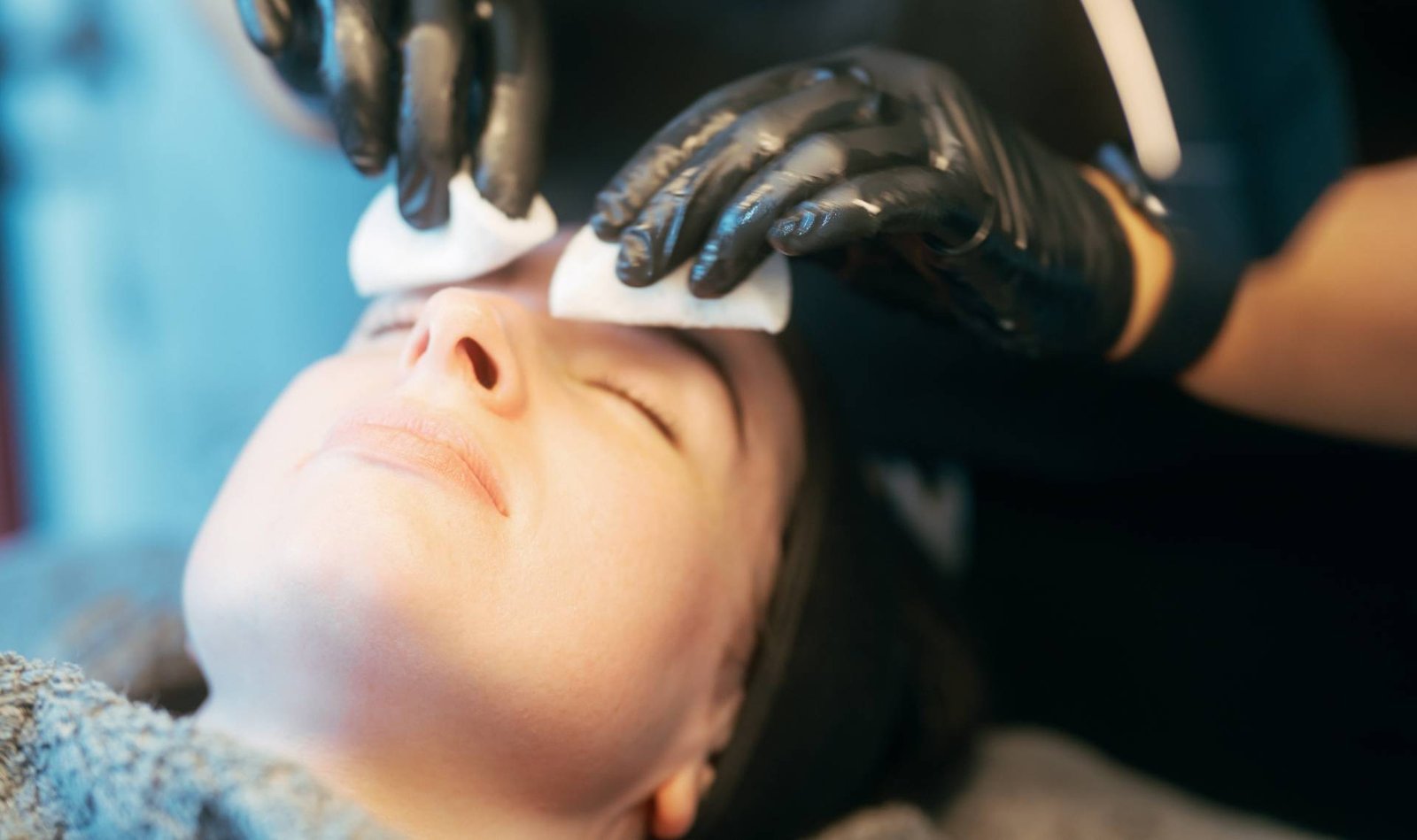
Instead of taking a one-size-fits-all approach to every lump or bump, Dr Lauren will first assess the area to make sure skin lesion removal is appropriate or decide whether it needs a closer look. If there is any uncertainty, a mole assessment through Map My Mole may be recommended before cosmetic treatment.
Because when it comes to your skin, making sure it’s safe to treat should always come before simply removing something you don’t like the look of.
What Are Skin Tags?
Skin Tag or Something Else?
It is really important to understand that not every lump, bump or small piece of dangling skin is necessarily a skin tag. Warts, moles and other skin growths can sometimes look surprisingly similar, which is why knowing exactly what you’re dealing with should always come before skin lesion removal [1][3][8].
And if something on your skin starts to change, it’s worth paying even closer attention. A lesion that changes in size, shape or colour, becomes painful, starts bleeding or simply looks unusual should be properly assessed rather than treated straight away [1][3][6].
This is why at our skin clinic in Hamilton we won’t simply reach for the CryoPen without first taking a closer look. If there’s any uncertainty, a mole assessment may be the more appropriate next step.
If you’re considering skin tag removal in Glasgow, remember that if a lesion looks unusual or there’s any uncertainty about what it is, a professional assessment should always come before cosmetic treatment.
Introducing Map My Mole
Here’s something we’re especially excited to bring to the clinic: Map My Mole. Because when something on your skin needs a closer look, having that extra reassurance can make all the difference.
The service allows suitable moles or skin lesions to be assessed remotely by dermatology specialists, helping to determine whether further investigation may be needed before cosmetic removal.
This is particularly important because what looks like an ordinary skin tag isn’t always quite what it seems. Some lesions can look surprisingly similar, while anything that is changing or uncertain deserves a proper professional review.
By combining an initial mole assessment with Map My Mole where appropriate, the idea is simple: let’s make sure we know exactly what we’re looking at before deciding what happens next [3][6][8].
So, if you’re considering skin tag removal in Hamilton, this extra step can offer valuable peace of mind while supporting a safer pathway to treatment. Because when it comes to your skin, the order really does matter, assessment first and skin lesion removal second.
How CryoPen Works
Let’s talk all things CryoPen. It may sound futuristic, but the idea behind it is actually quite simple.
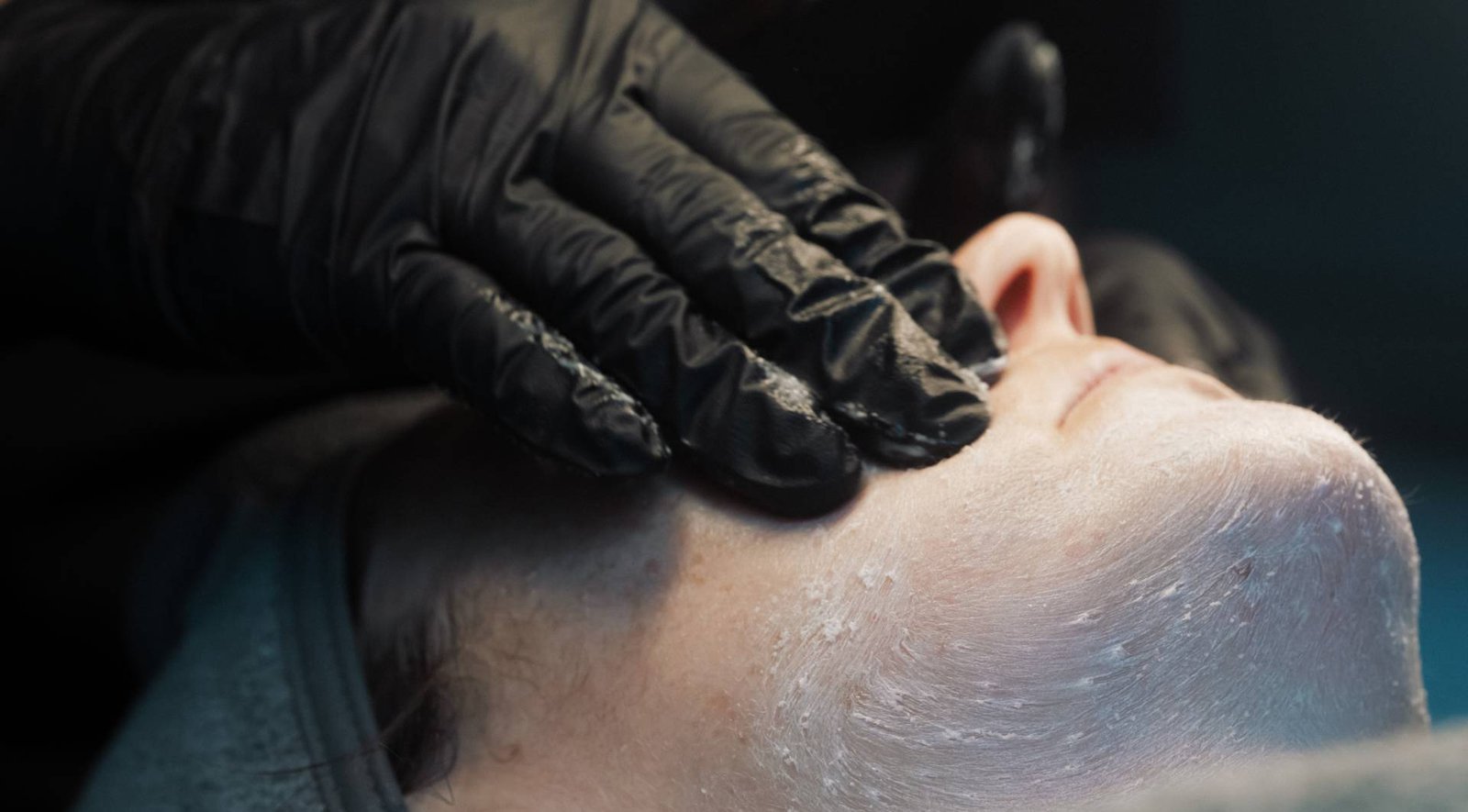
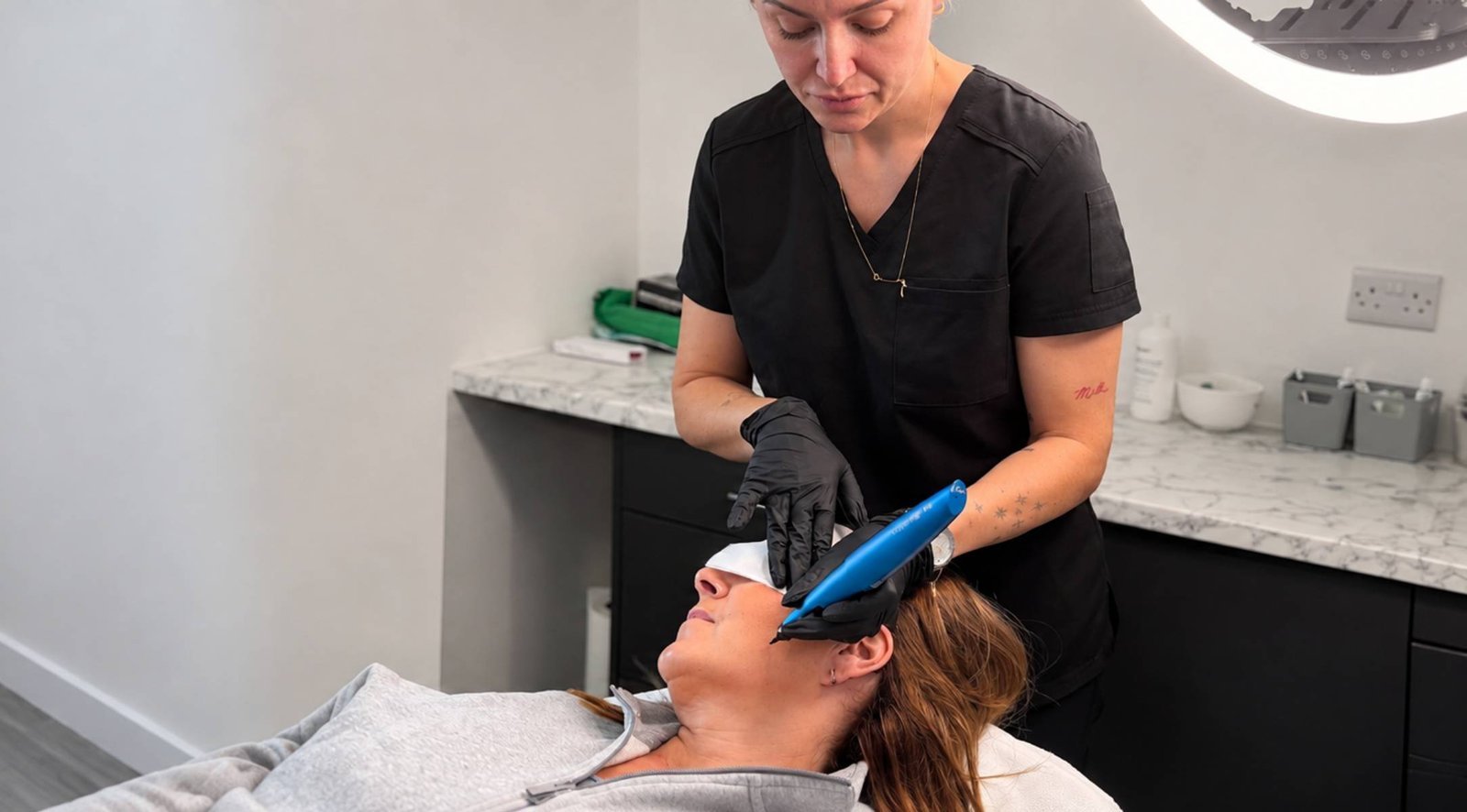
What makes CryoPen treatment particularly clever is just how precise it can be. Rather than treating a large area of skin, the freezing technology is applied directly to a very small treatment area, helping to target the lesion while limiting unnecessary exposure to the healthy skin around it [2][7].
And the treatment itself can be surprisingly quick, taking just seconds per skin tag in some cases, although this will depend on the lesion being treated [2][7].
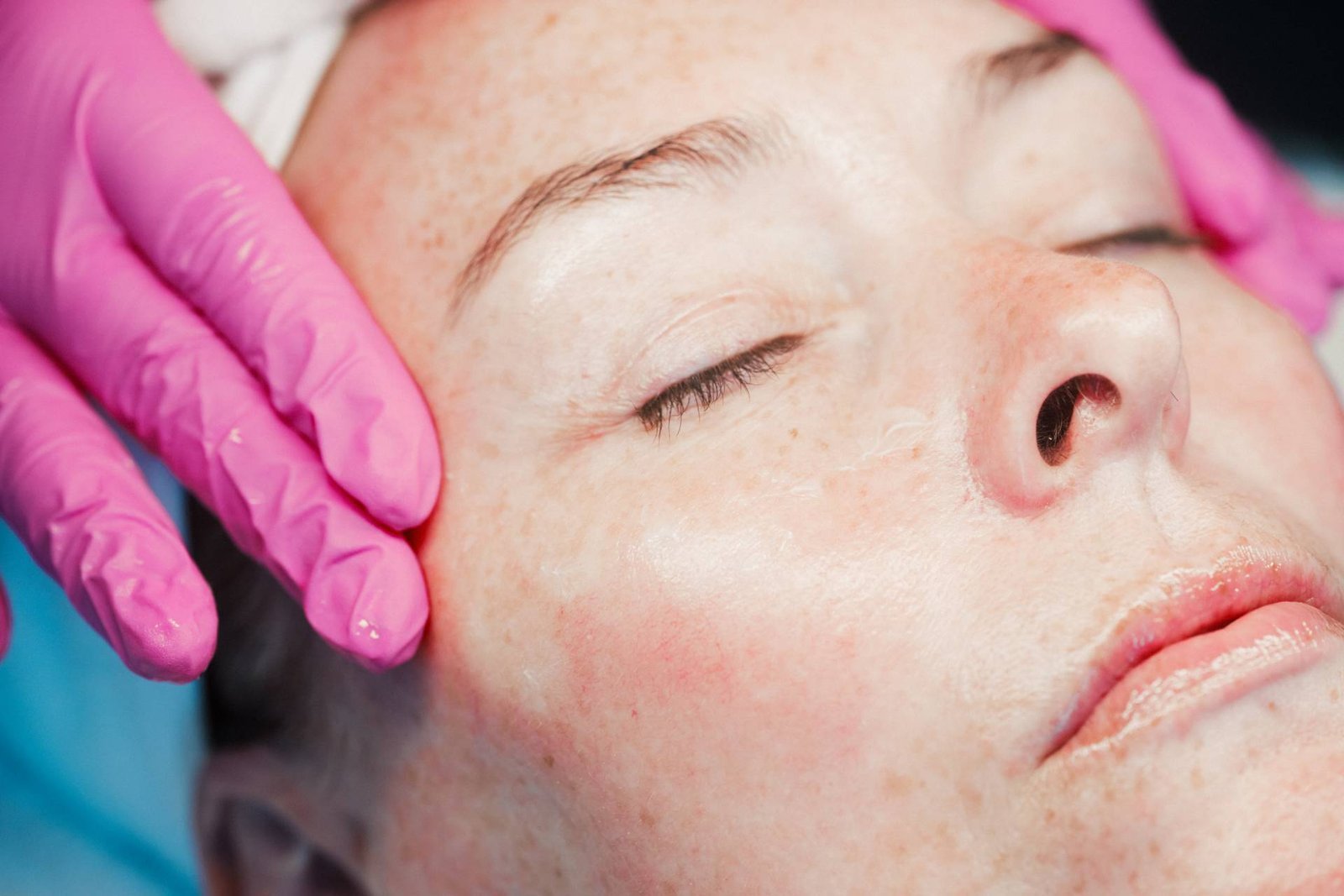
So, what should you expect afterwards? A little redness, mild swelling, stinging or even a small blister can occur, followed by some scabbing as the area heals [2][7].
The good news is that most people can get straight back to their normal daily activities, with many cryotherapy-treated areas settling over approximately one to two weeks [2][7].
Pigment changes and minor scarring are still possible, however, which is why careful assessment, appropriate treatment and good aftercare are just as important as the CryoPen treatment itself [1][2][8].
Is Skin Tag Removal Right for You?
Not every skin tag needs to go. If yours is small, harmless and happily minding its own business, there may be no reason to remove it at all. But when a confirmed benign skin tag keeps catching on clothing or jewellery, becomes irritated or simply starts bothering you cosmetically, skin tag treatment may be something worth considering.
This is why a consultation for skin tag removal in Hamilton is about much more than simply deciding you want a skin tag gone. First, we need to know exactly what we’re looking at and whether CryoPen is the right way to treat it [2][3].
Because just as not every lump or bump is a skin tag, not every lesion is suited to the same removal method. Some may be better treated using another technique, while anything uncertain may need a closer mole assessment before cosmetic treatment is considered [3][4][8].
And as tempting as it can be to deal with an annoying skin tag yourself, this is one DIY job best avoided. At-home removal can lead to bleeding, infection and scarring, which is why the NHS advises against removing skin tags yourself unless recommended by a GP [1].
Professional care means proper assessment, an appropriate treatment plan and the right aftercare rather than simply taking a chance with your skin [3][4][8].
Why Choose Dr Lauren?
When it comes to your skin, feeling confident about treatment starts with knowing you’re in safe hands. At Dr Lauren Medical Aesthetics, that means looking beyond simply getting rid of an unwanted skin tag.
Our doctor-led approach considers the whole journey, from carefully assessing and identifying the lesion to choosing the right treatment and supporting you with appropriate aftercare.
So, if you’re considering professional skin tag removal in Hamilton, you can feel reassured that your skin health and safety come before cosmetic removal.
At our aesthetic clinic in Hamilton, professional assessment, Map My Mole and modern CryoPen technology come together to create a more considered and personalised pathway.
CryoPen is only used when a lesion has been assessed and considered appropriate for treatment [2][7]. If something needs a closer look, Map My Mole and further mole assessment can help guide what happens next rather than simply going ahead with removal.
By combining clinical judgement, personalised care and modern technology, we can keep your wider skin health at the heart of every step.
Concerned About a Skin Tag or Mole?
If you have a skin tag that keeps catching on your clothes, becoming irritated or simply making you feel a little self-conscious, you don’t have to keep putting up with it or wondering what to do next. Book your free consultation with Dr Lauren and let’s take a proper look.
Your skin concern can be professionally assessed first, and if everything looks suitable, you can discuss whether CryoPen treatment is the right option for you. If something needs a closer look, that’s where Map My Mole and further mole assessment may come in before treatment goes ahead.
There’s always a new skincare product everyone seems to be talking about. One minute it’s a must-have serum, the next it’s an ingredient promising to completely transform your skin. And while it’s tempting to add every new launch to your at-home skincare routine, the thing is that your skin doesn’t
Choosing the right aesthetic practitioner involves more than checking qualifications, treatment availability or the appearance of a clinic. These factors are important foundations for safe medical aesthetics, but they are only part of the decision. The best aesthetic practitioner for you should also demonstrate sound clinical judgement, understand your individual
Summer may still be fresh in your mind, but Christmas and the party season will be here sooner than you think. With only around three to four months between the end of summer and the festive season, now is an ideal time to start thinking about your aesthetic and Skin
Moles are a normal and common feature of the skin, and many are completely harmless. However, if a mole catches on clothing, becomes irritated during shaving, or simply affects how you feel about your appearance, you may start considering mole removal. While wanting a mole removed is entirely understandable, there
We all have the best intentions when it comes to our skincare, but summer has a funny way of throwing even the best routines off track. Between holidays, long days out, late nights and plenty of time in the sunshine, our usual skincare habits can easily take a back seat.
Our skin is constantly changing, and every so often, a new little lump, bump or mark seems to appear out of nowhere. Skin tags are a perfect example. They’re usually harmless, but that little skin tag that keeps catching on your necklace or rubbing against your collar can quickly become