Why Education Matters More Than Social Media in Aesthetic Medicine
The UK aesthetics industry has grown rapidly over the past decade. From wrinkle-relaxing injections and dermal fillers to advanced skin treatments, non-surgical procedures are now more accessible than ever.
With that accessibility comes opportunity — but also responsibility.
Choosing aesthetic treatment is an investment in yourself. Protecting that investment begins with one powerful step: education.
In a world dominated by viral beauty trends and instant transformations, understanding where your information comes from is just as important as choosing who performs your treatment.
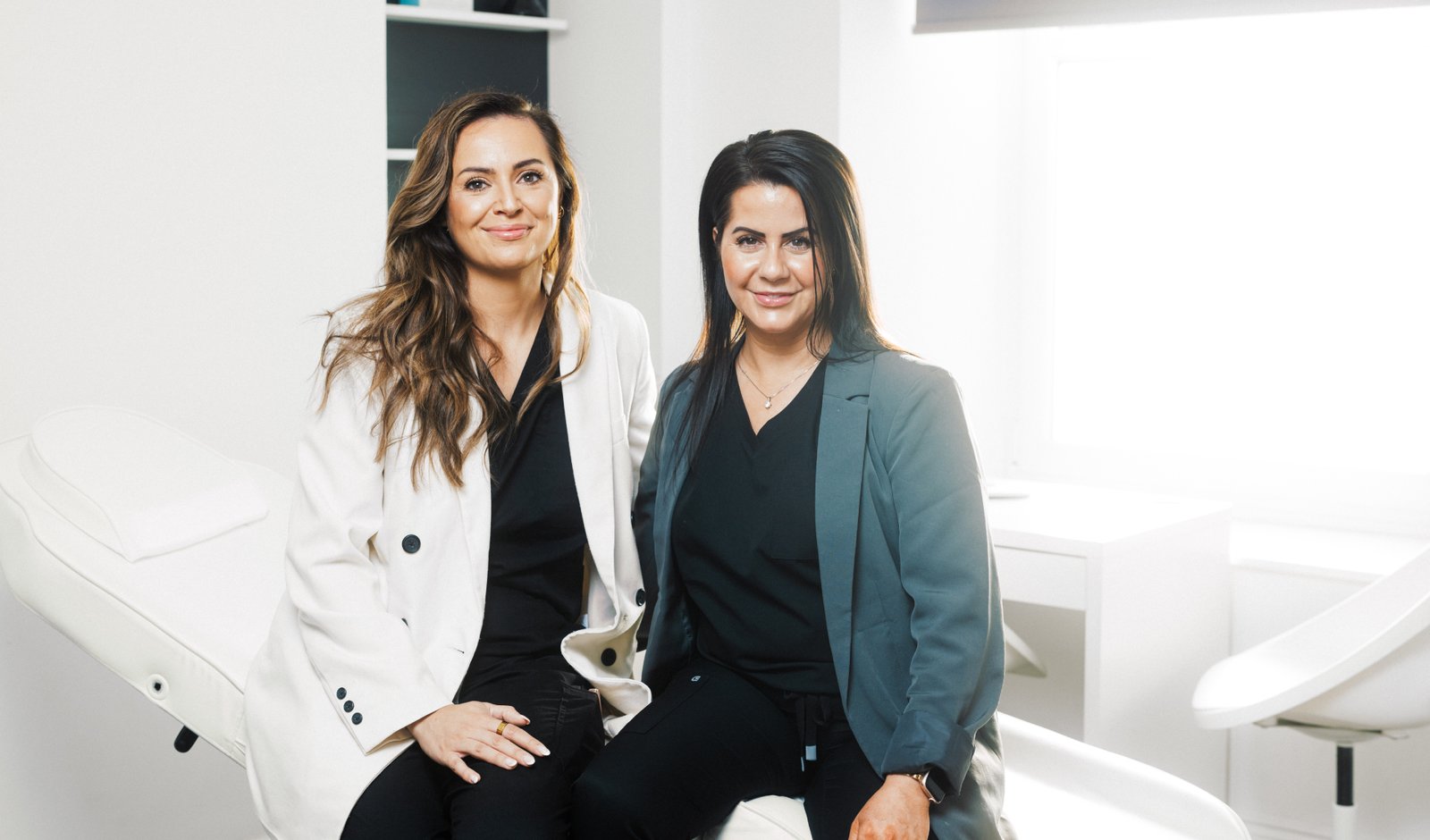
At Dr Lauren Medical Aesthetics Clinic, patient safety and informed decision-making are central to how we practise. As an aesthetics nurse working alongside Dr Lauren in a doctor-led clinic, my role is not only to provide treatments — but also to help patients understand them.
The Influence of Social Media
Platforms such as Instagram and TikTok have transformed how people discover aesthetic treatments.
Within seconds you can scroll through lip filler results, watch anti-wrinkle injections being administered, or see influencers documenting their cosmetic journeys.
While some of this content can be helpful or inspiring, it is important to remember that social media is not regulated medical advice.
These platforms are designed to entertain and engage — not necessarily to provide balanced clinical information.
Lighting, filters, editing, makeup, and camera angles can significantly influence how results appear. Short videos rarely include discussions about medical risks, contraindications, or long-term treatment planning.
Perhaps most importantly, not everyone sharing aesthetic advice online is medically qualified.
If social media is your only source of information, you are often seeing a highlight reel rather than the full clinical picture.
Aesthetic Treatments Are Medical Procedures
One of the most important things to understand is that aesthetic treatments are medical procedures.
Injectable treatments affect muscles, blood vessels, and facial anatomy. Advanced skin treatments influence how the skin heals and regenerates. These procedures require medical knowledge, training, and sound clinical judgement.
In the UK, safe practice is guided by organisations such as the General Medical Council (GMC), the Nursing and Midwifery Council (NMC), and the Joint Council for Cosmetic Practitioners (JCCP). These bodies promote standards, ethical practice, and patient safety.
When researching treatments, it is far safer to rely on information aligned with recognised professional organisations and regulatory guidance.
Credible sources provide:
- Evidence-based information
- Clear explanations of risks
- Realistic expectations
- Guidance on practitioner qualifications
- Ethical advertising standards
Education empowers patients to make informed decisions — not impulsive ones.
Why Credentials Matter More Than Popularity
A beautifully curated Instagram page does not necessarily reflect clinical expertise.
In the UK, regulations around non-surgical aesthetics are still evolving. This means that not all treatments are restricted to doctors or nurses, which makes it especially important for patients to check practitioner credentials.
Before choosing a provider, consider asking:
- Are they registered with the GMC or NMC?
- Do they have advanced training in facial anatomy?
- Do they carry appropriate medical insurance?
- Do they offer thorough consultations?
- Do they clearly explain risks and alternatives?
A reputable practitioner will welcome these questions.
Ethical providers prioritise patient safety over sales and long-term outcomes over quick fixes.
While complications are uncommon when treatments are performed correctly, they can occur. The difference between a minor issue and a serious complication often comes down to the practitioner’s training and medical knowledge.
Your face is not an area to compromise on expertise.

Trends Fade — Anatomy Remains
Aesthetic trends change quickly.
One year the focus might be dramatic lips. The next it might be sculpted jawlines. More recently, we have seen a growing movement towards dissolving filler and returning to more natural results.
Your face, however, is not part of a trend cycle.
Good aesthetic practice focuses on balance, proportion, and subtle enhancement. It respects your natural anatomy rather than chasing viral beauty standards.
An informed patient understands that:
- More product does not necessarily mean better results
- Conservative treatments often age more gracefully
- Facial harmony matters more than copying someone else’s features
- Prevention and maintenance are long-term strategies
When you understand the reasoning behind a treatment — not just the visual transformation — you are far less likely to experience over-treatment or regret.
Understanding Risks Is Part of Self-Care
Some patients feel nervous about reading or hearing about risks. However, knowledge should never create fear — it should provide protection.
Understanding common side effects such as swelling or bruising helps you prepare appropriately. Being aware of the signs of rare but serious complications allows you to seek help quickly if necessary.
UK guidance increasingly emphasises the importance of informed consent.
A proper consultation should include discussion of:
- Benefits
- Risks
- Alternative options
- Aftercare
- Expected longevity of results
If a consultation feels rushed or overly sales-driven, that can be a warning sign.
Education should never feel inconvenient to your provider.
Your Consultation Should Be Collaborative
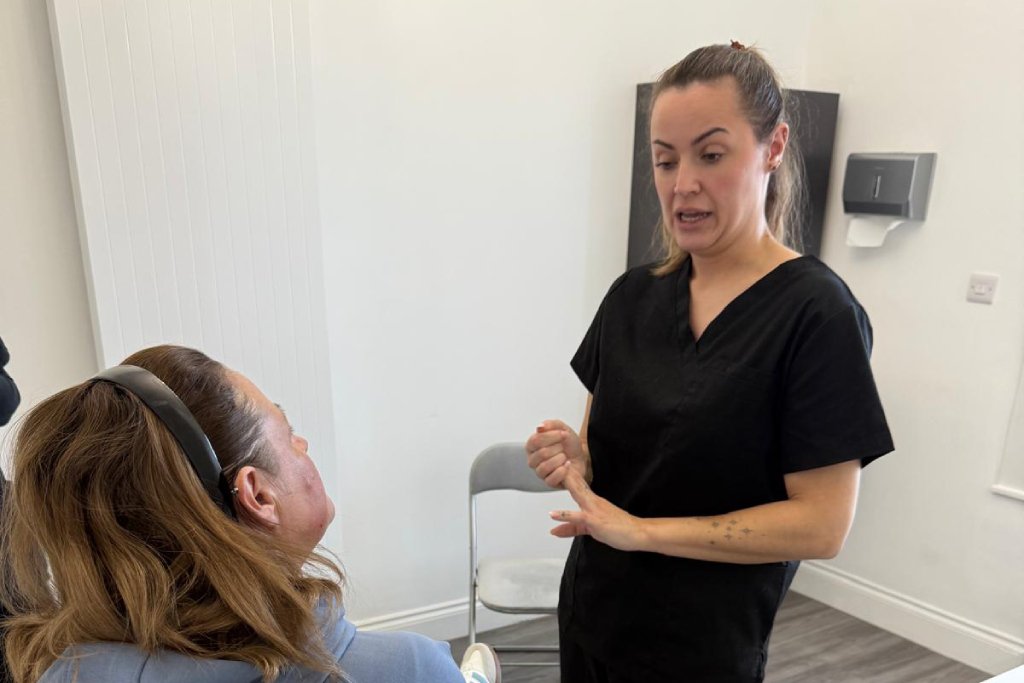
A high-quality aesthetic consultation is not a transaction — it is a conversation.
You should feel heard, not sold to. Informed, not pressured.
Coming to your consultation with questions is always encouraged.
For example:
- Why is this treatment suitable for me?
- What results can I realistically expect?
- How will this look long term?
- What maintenance will be required?
An ethical practitioner will always provide honest answers — even if that means advising against treatment.
At our clinic, this collaborative approach is an important part of how both Dr Lauren and I work with patients to create treatment plans that prioritise safety and natural results.
Protecting Your Investment
Aesthetic treatments are both a financial and emotional investment.
Protecting that investment means thinking beyond short-term trends and focusing on long-term outcomes.
Instead of asking, “What’s trending?” consider asking:
What will still look good in five years?
Does this enhance my natural features?
Is this practitioner medically qualified and accountable?
Strategic, well-planned treatments performed by trained medical professionals typically deliver the most natural and lasting results.
Be Inspired — But Verify
There is nothing wrong with discovering treatments through social media. Many patients do.
The key is to treat social media as inspiration rather than authority.
When you see a treatment online:
- Research it through credible sources
- Discuss it during a professional consultation
- Make your decision based on safety and suitability — not virality
Curiosity leads to empowerment. Impulse can lead to risk.
Your Face Deserves Due Diligence
In a fast-moving digital world, slowing down is powerful.
Take time to research.
Take time to verify credentials.
Take time to understand what is being placed into your face — and why.
Protecting your aesthetic journey means choosing education over algorithms, expertise over influence, and safety over speed.
The most beautiful results are not created by trends.
They are created through informed decisions, ethical practice, and thoughtful planning.
And that journey always begins with education.
If you’re considering treatment and would like professional guidance, you can book a consultation with Nurse Sami at Dr Lauren Medical Aesthetics Clinic to discuss safe and appropriate options for you.