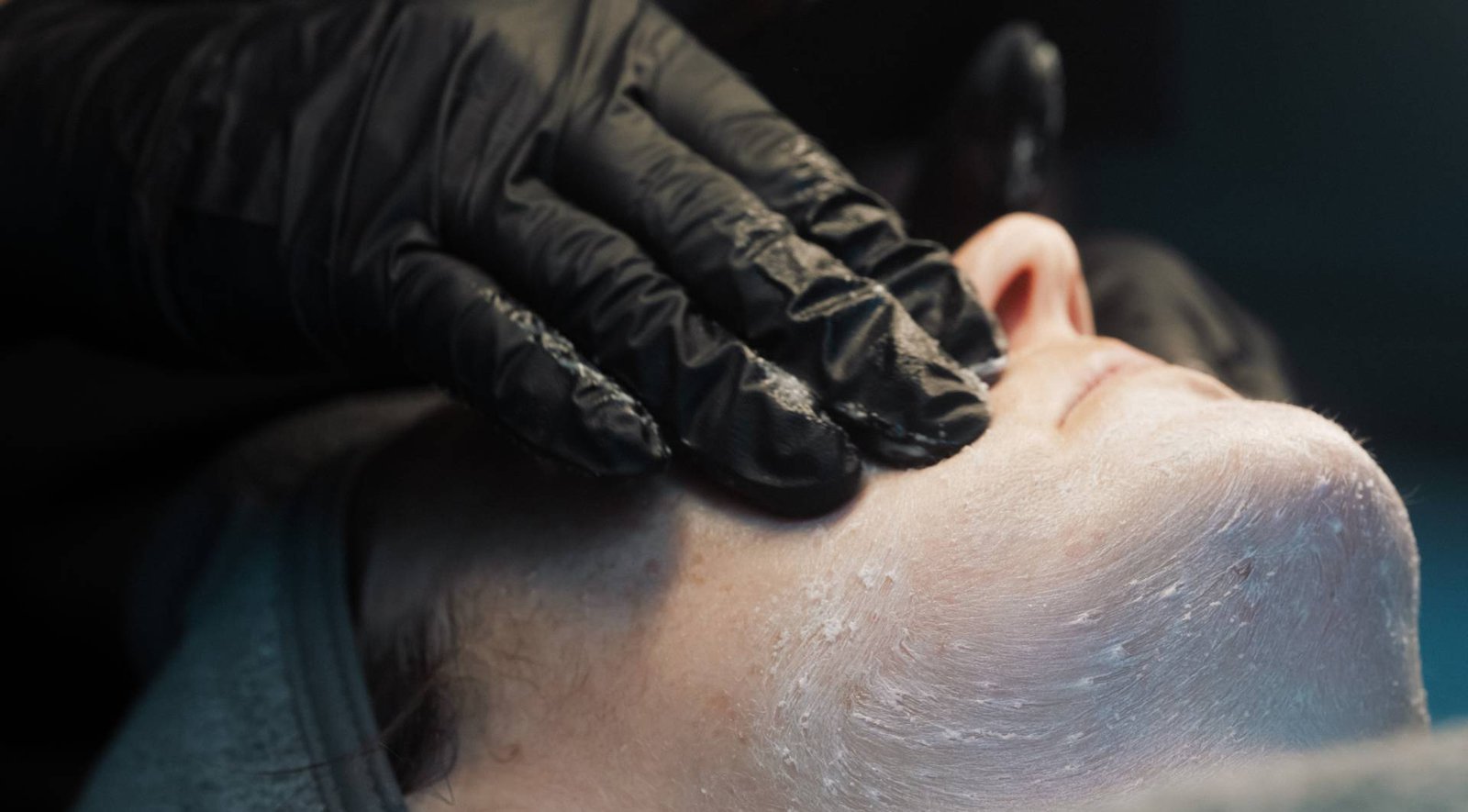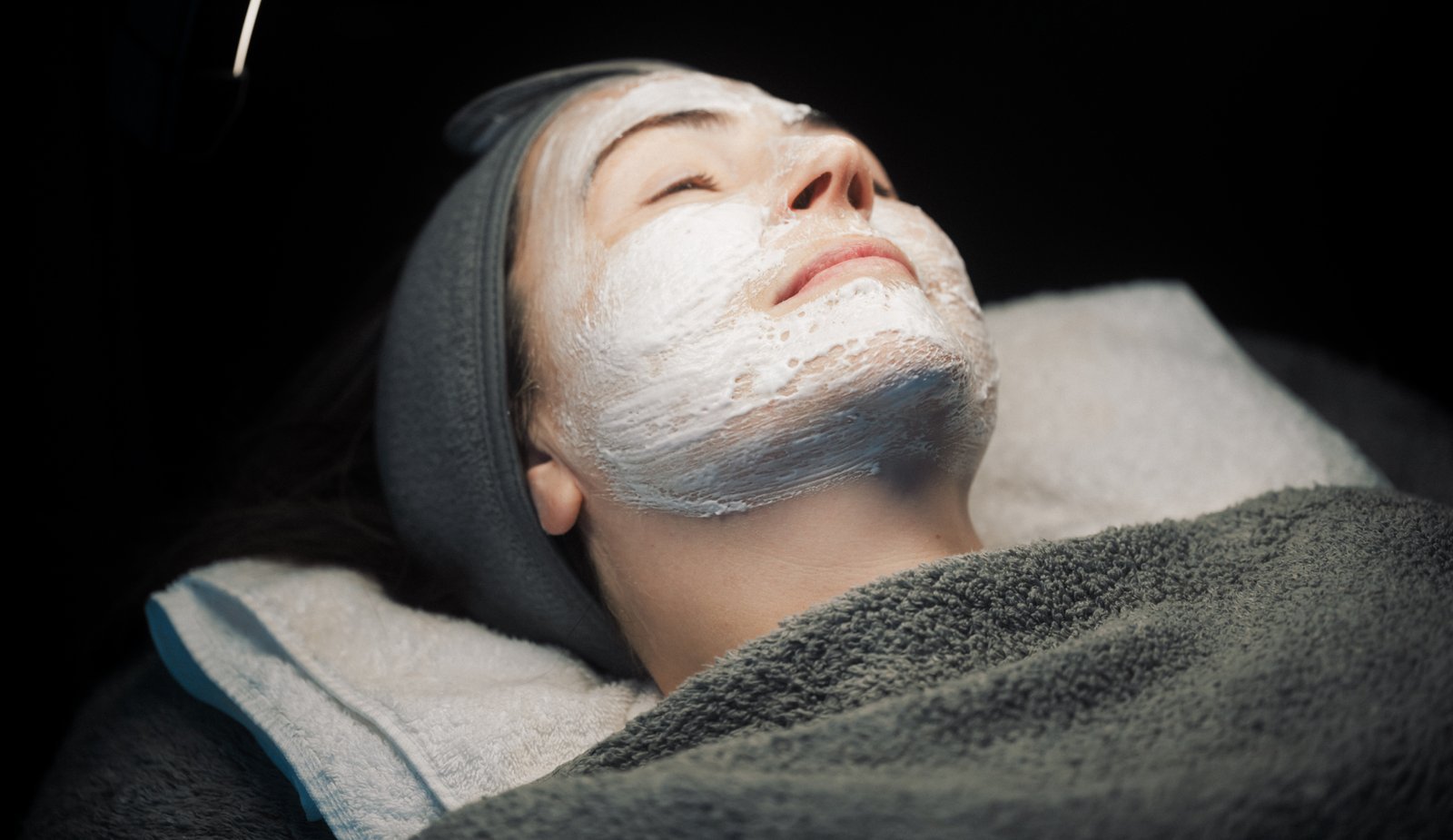
We all know that lovely feeling after a facial, when our skin looks brighter, feels smoother and has that fresh, healthy glow. But we’ve also experienced how quickly that glow can start to fade, leaving us dealing with the same familiar skin concerns all over again. That’s because even the best professional treatments can only achieve so much on their own.
Maintaining healthy skin is not just about what happens during an appointment.
It’s about understanding what your skin needs, choosing the right care and staying consistent with it over time [1][8].
At Dr. Lauren’s Medical Aesthetic Clinic, we’re taking our Skin Suite experience a step further with the introduction of our new Skin Analysis Consultation and personalised Skin Health Pathways.
By bringing professional treatments, homecare and ongoing support together, we want to make looking after your skin feel less like a series of one-off appointments and more like a manageable, long-term approach to better skin health.
A Great Facial Is Wonderful. But What Happens Next?
In our earlier article, Not Just a Facial: Discover the Power of Medical-Grade Skincare, we explored how professional facials offer much more than a little pampering and relaxation. But what happens once you leave the treatment room and return to your everyday skincare routine?
Even though medical-grade facials can help improve hydration, remove surface build-up and restore radiance, occasional treatments aren’t always enough to manage ongoing concerns like acne, dryness, pigmentation or uneven skin texture [5].
Looking after your skin shouldn’t stop when your facial ends.
By combining professional treatments with personalised skincare and consistent homecare, you can help maintain those improvements and support better skin health over time [8].
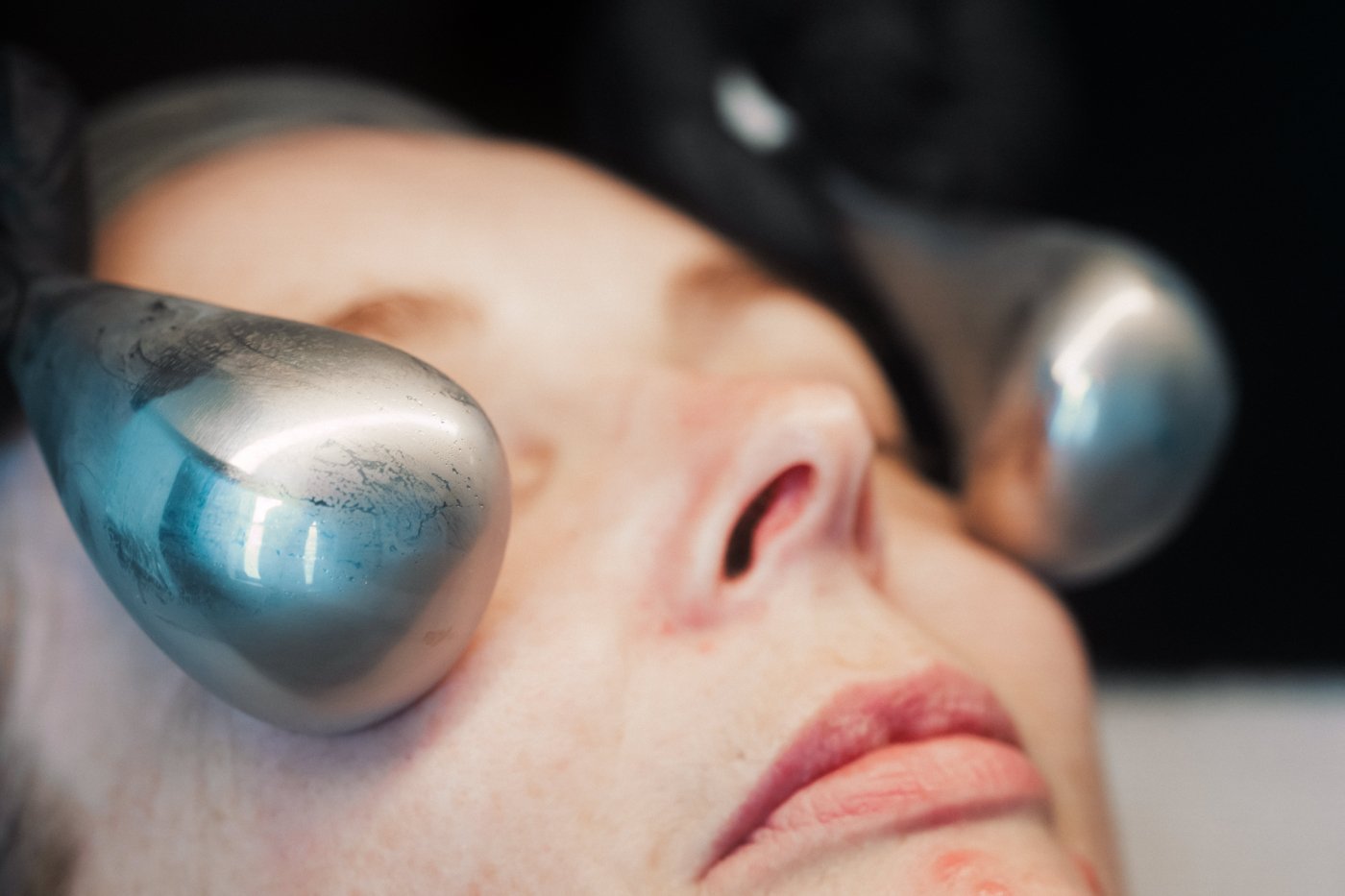
Your Skin Is Unique. Your Treatment Plan Should Be Too.
We’ve all had that moment when someone recommends a skincare product they absolutely swear by, only to find it doesn’t quite work the same magic on our skin. That’s because no two people’s skin is exactly alike [3].
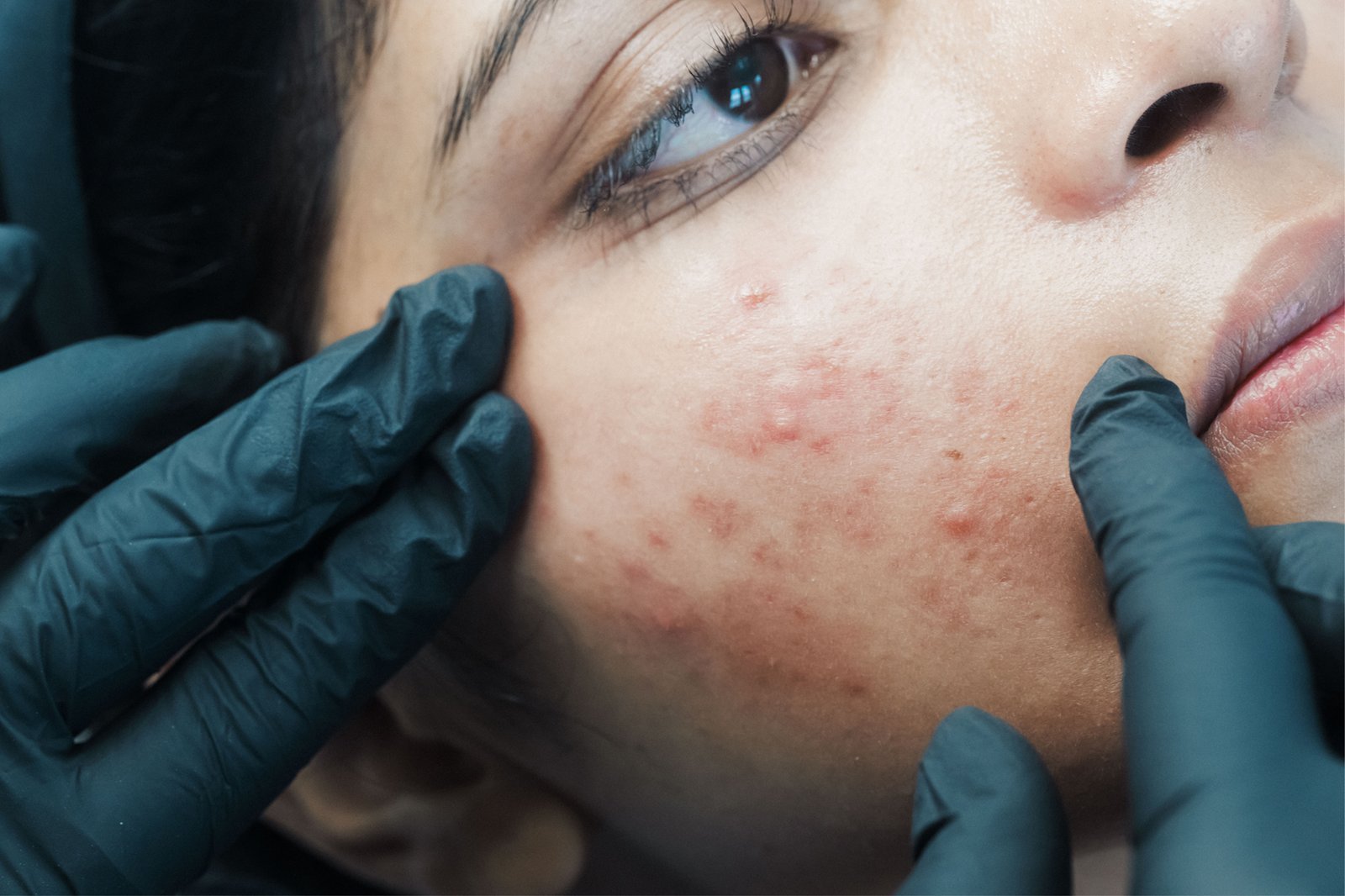
While some of us struggle with dryness and sensitivity, others are constantly dealing with acne, congestion or pigmentation. But factors like age, hormones, lifestyle and environment can also influence how our skin responds to different products and treatments [3].
So even if you’ve found a skincare routine on social media that promises amazing results, it doesn’t mean your skin will respond the same way [2].
A professional skin health consultation can make such a difference, helping identify your individual needs and suitable medical-grade skincare products or treatments [8].
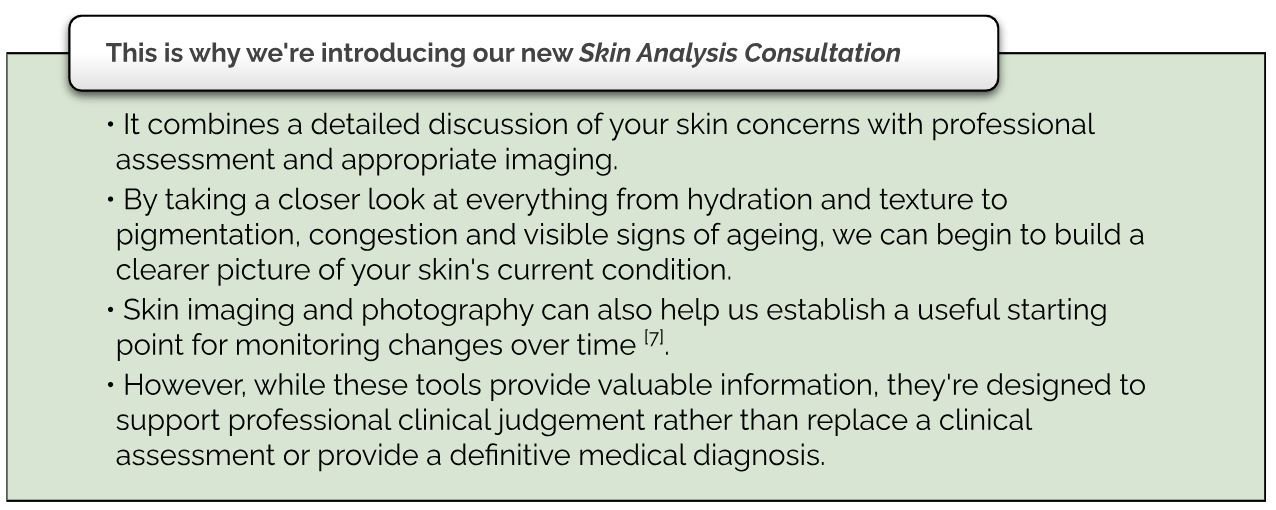
It All Starts with Skin Analysis
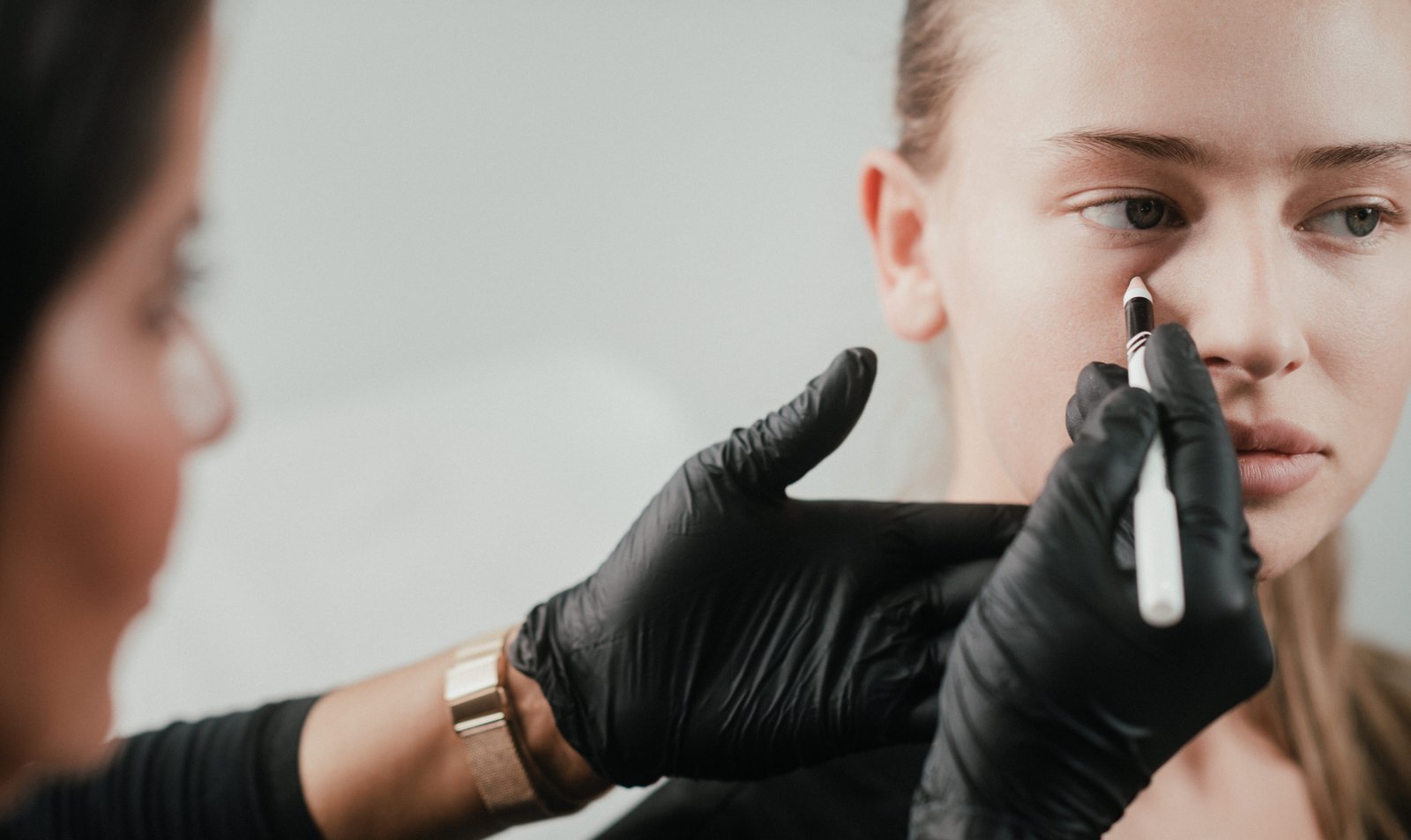
When it comes to improving our skin, it’s tempting to jump straight into trying new products or booking treatments in the hope of seeing results. But the truth is, before deciding what might work best, we first need to understand what our skin actually needs. And that’s where a proper skin assessment can make all the difference.
From Analysis to Your Personalised Skin Health Pathway
Once we have a better understanding of your skin, the next step is figuring out how to give it the care it actually needs. Looking after your skin is not necessarily about doing more; it’s about finding the right approach for you.

Our approach to skin treatments isn’t about following a fixed treatment schedule or recommending the same routine for everyone.
It’s about understanding your skin, setting realistic goals and making adjustments as your skin responds.
Because just as your skin’s needs can change over time, the way you look after it should be able to change too [3]
What You Do at Home Matters Just as Much
When we think about improving our skin, professional treatments often get all the attention. But what about everything we do between appointments?
The truth is, gentle cleansing, hydration, moisturising and daily broad-spectrum SPF 30 or higher are important foundations of good skin health [1][6].
Of course, certain targeted ingredients can also help address specific skin concerns, but that doesn’t mean you need to try every new serum or skincare trend you come across [2].
In fact, introducing too many products at once can make it harder to understand what’s actually working for your skin and what might be causing irritation [1].
We’ve chosen HydroPeptide as our skincare partner at the Skin Suite
With a range of peptide-focused cleansers, serums, moisturisers and sun protection products, HydroPeptide skincare allows us to recommend formulations based on your individual skin type, concerns and needs [4].
Measuring Progress, Not Chasing Perfection
With social media constantly showing us flawless complexions and dramatic before-and-after photographs, it’s easy to think that improving our skin should happen almost overnight [4].
But healthy-looking skin doesn’t happen at the click of a finger. Improvements in hydration, texture, clarity and overall skin condition often take time, and while some people might notice changes relatively quickly, others may need a little more patience [5].
And just because you’re not seeing a dramatic difference doesn’t mean your skin isn’t improving. Sometimes, progress is simply less irritation or fewer breakouts. Individual results will always vary [5].
Regular reviews are such an important part of your Skin Health Pathway.
By combining repeat skin assessments with photographs taken under consistent conditions, where appropriate, we can keep track of visible changes, understand what’s working and make adjustments to your treatment plan as your skin improves [7].

From Improving Your Skin to Maintaining It
We’ve all experienced that moment when our skin finally starts looking and feeling better, and we wonder whether we need to keep doing everything that helped us get there.
Once your initial concerns are better managed, looking after your skin doesn’t always have to be about correcting problems. Instead, the focus can shift towards maintaining those improvements and keeping your skin healthy in the long run.
But just because you’ve found a routine that works doesn’t mean your skin will always need exactly the same care.
Changes in weather, lifestyle and everyday habits can all influence how our skin looks and feels, which means our skincare routines may need a few adjustments along the way [3].
A combination of consistent homecare, occasional professional skin treatments and seasonal adjustments can help you maintain improvements without making your routine unnecessarily complicated.
And for patients who enjoy regular professional care, our Skin Suite Social Club offers a maintenance-focused option as part of their ongoing Skin Health journey because we believe long-term skin health should fit into your life, not take it over.
Welcome to the Next Chapter of the Skin Suite
Everyone’s skin is different, and having the right guidance can make all the difference when it comes to finding an approach that actually works for you. This is why, at the Skin Suite, we’re bringing together the expertise of our dedicated team to make your Skin Health journey as straightforward and supportive as possible.
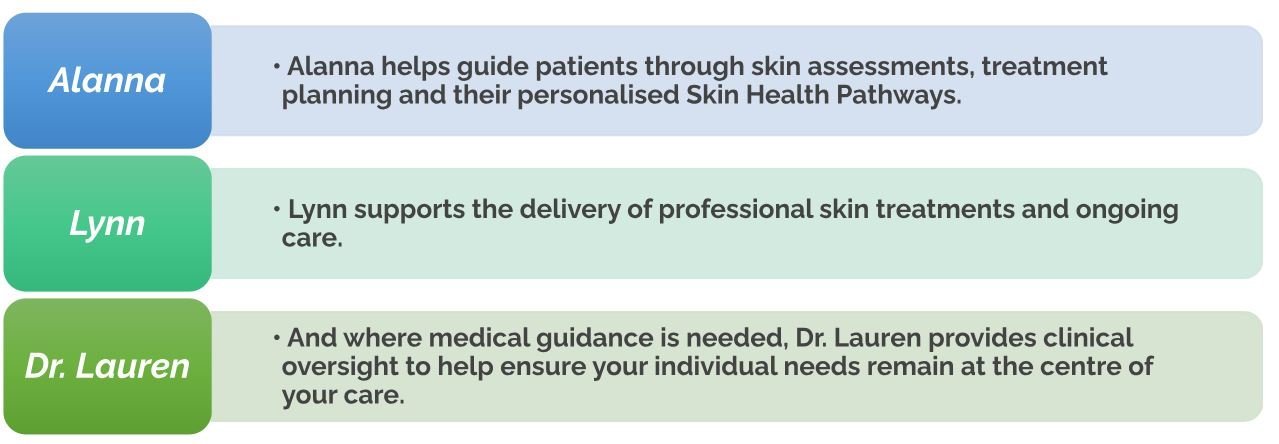
Together, we’re taking the Skin Suite experience a step further by connecting consultations, professional treatments, homecare recommendations and regular reviews into one personalised approach. So, whether you’re exploring skin treatments in Hamilton for the first time or already looking after your skin health with us, we’re here to help you understand your skin and find the right care for its changing needs.
Your Skin Deserves More Than a One-Off Treatment
Whether you’re struggling with a particular skin concern, hoping to improve your skin’s overall condition or simply wondering what your skin actually needs, we’re here to help. At the Skin Suite in Hamilton, we’ll take the time to understand your skin and create a realistic, personalised skincare plan combining suitable professional treatments, medical-grade skincare and ongoing support.
So, if you’re ready to move beyond the occasional facial, book your Skin Analysis Consultation and take the first step towards healthier-looking skin.
Bibliography:
- British Skin Foundation (2020) Debunking 10 common skin and skincare myths. Available at:
https://www.britishskinfoundation.org.uk/resources/debunking-10-common-skin-and-skincare-myths - British Skin Foundation (2024) Navigating social media: Separating fact from fiction with dermatological advice. Available at:
https://www.britishskinfoundation.org.uk/resources/navigating-social-media-separating-fact-from-fiction-with-dermatological-advice - British Skin Foundation (2026) Identifying your skin type: A guide by Dr Jonathan Kentley. Available at:
https://www.britishskinfoundation.org.uk/resources/identifying-your-skin-type-a-guide-by-dr-jonathan-kentley - HydroPeptide UK (n.d.) All products. Available at:
https://hydropeptide.co.uk/collections/all-products - National Health Service (NHS) (n.d.) Acne. Available at:
https://www.nhs.uk/conditions/acne/ - National Health Service (NHS) (n.d.) Sunscreen and sun safety. Available at:
https://www.nhs.uk/live-well/seasonal-health/sunscreen-and-sun-safety/ - Primary Care Dermatology Society (PCDS) (n.d.) Photography: How to take a good dermoscopic photograph. Available at:
https://pcds.org.uk/clinical-guidance/photography-how-to-take-a-good-dermoscopic-photograph - Skin Health Alliance (n.d.) Who should consumers trust with their skincare? Available at:
https://www.skinhealthalliance.org/education/who-should-consumers-trust-with-their-skincare