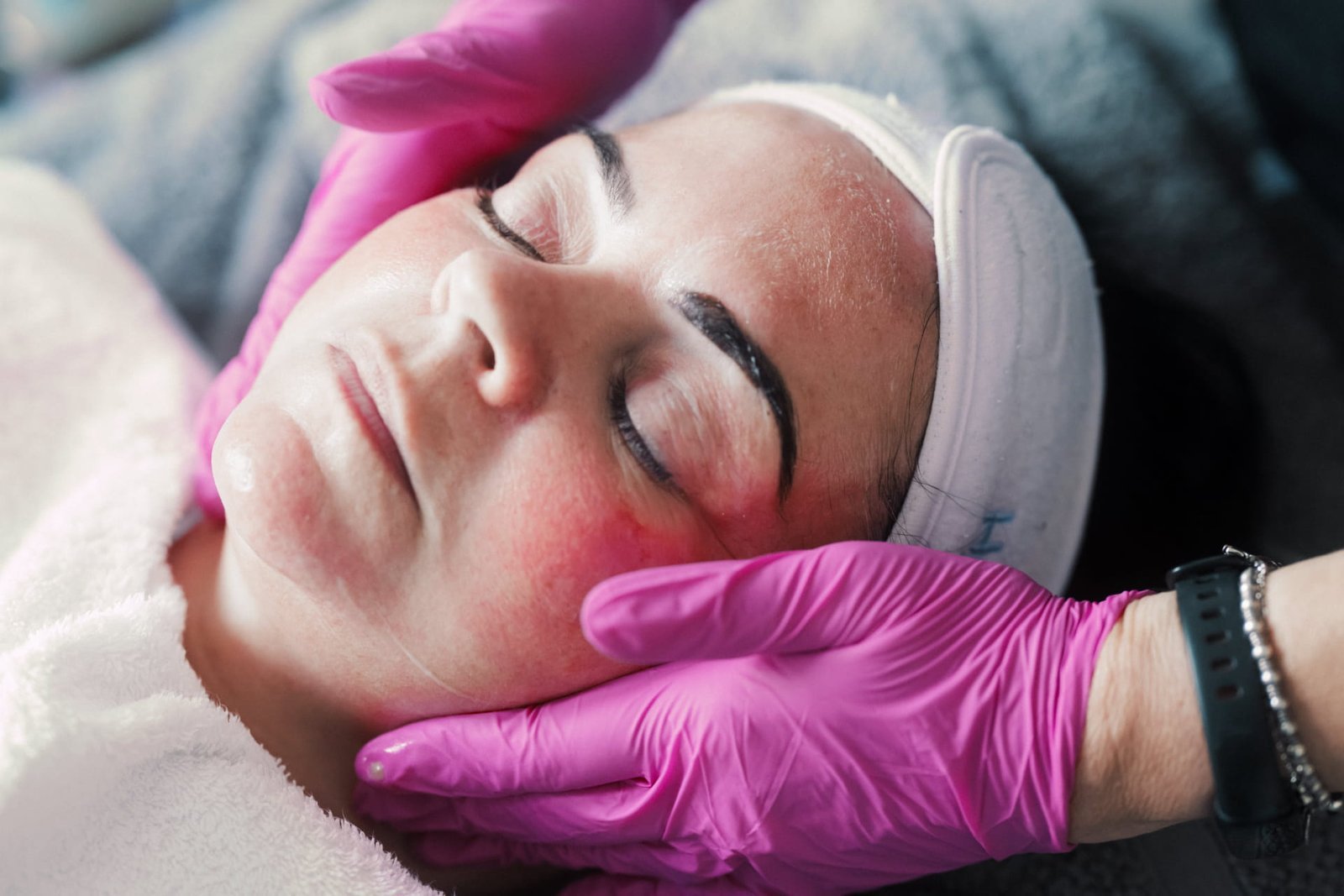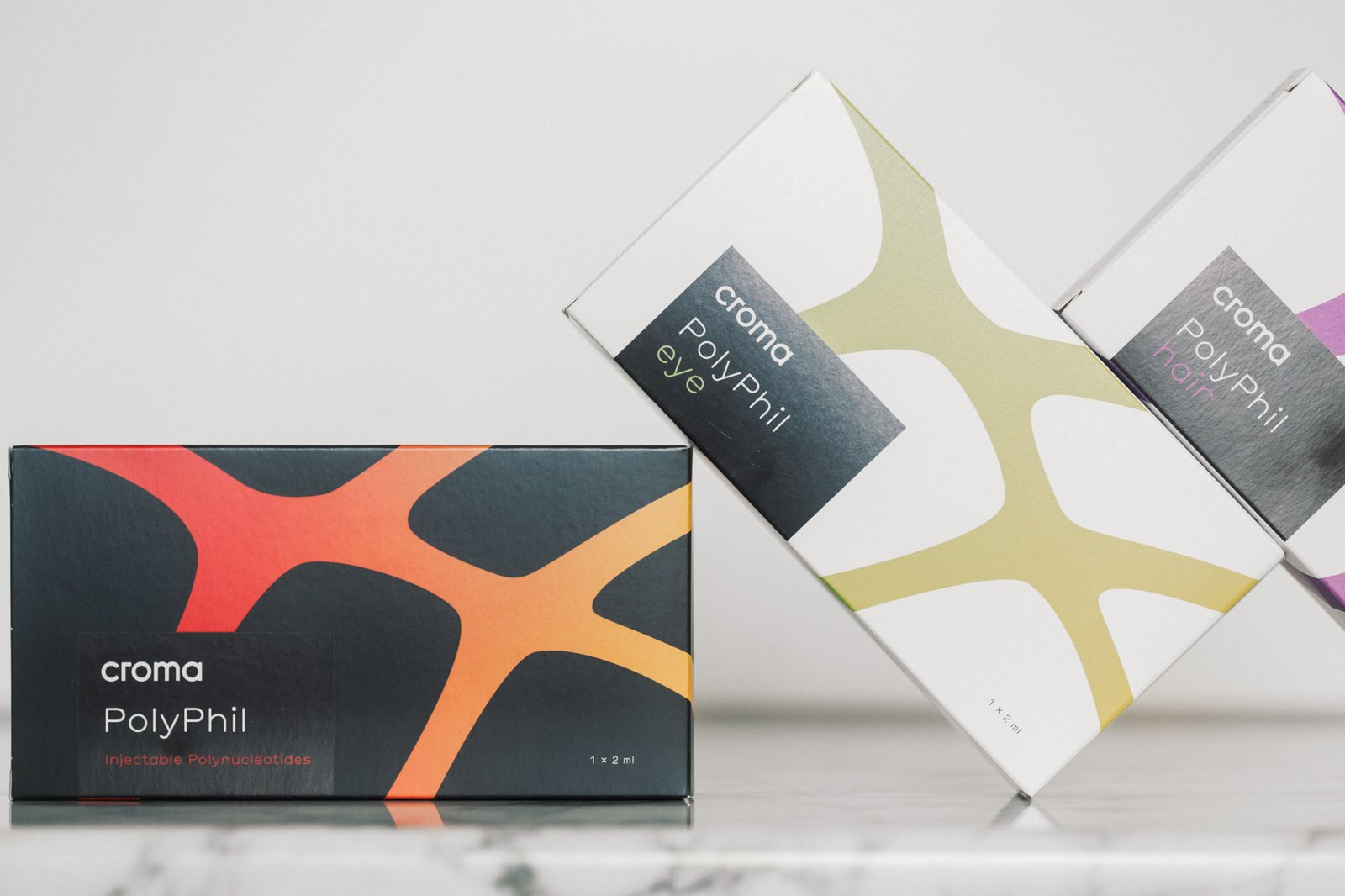
If you’ve been researching advanced skin treatments recently, you may have come across polynucleotides.
They’re often described as regenerative, bio-stimulating, or even the next evolution in skin rejuvenation. You might also have heard them jokingly referred to as the “fish sperm facial”.
But what does that actually mean for you as a patient?
In this article, I want to explain what polynucleotide treatments are, how they work, who they’re suitable for, and — most importantly — why the quality and purity of the product being used matters so much.
At Dr Lauren Medical Aesthetics Clinic, treatments are selected based on clinical evidence, safety, and long-term skin health. Working alongside Dr Lauren in a doctor-led clinic means every treatment we offer is carefully considered from both a medical and aesthetic perspective.
What Are Polynucleotides?
Polynucleotides are highly purified DNA fragments, most commonly derived from salmon or trout DNA, which are biologically compatible with human tissue.
When injected into the skin, they act as bio-stimulators, encouraging your skin’s natural repair and regeneration processes.
Unlike dermal fillers, which add volume, or wrinkle-relaxing injections, which reduce muscle movement, polynucleotides work at a cellular level to improve the quality of the skin itself.
In simple terms, they help your skin behave more like younger skin.
They can help to:
- Stimulate fibroblasts (the cells responsible for collagen and elastin)
- Improve hydration and elasticity
- Support tissue repair
- Reduce inflammation
- Improve overall skin quality and texture
This makes them particularly useful for concerns such as:
- Under-eye rejuvenation
- Crepey or thinning skin
- Acne scarring
- Neck lines
- Early signs of ageing
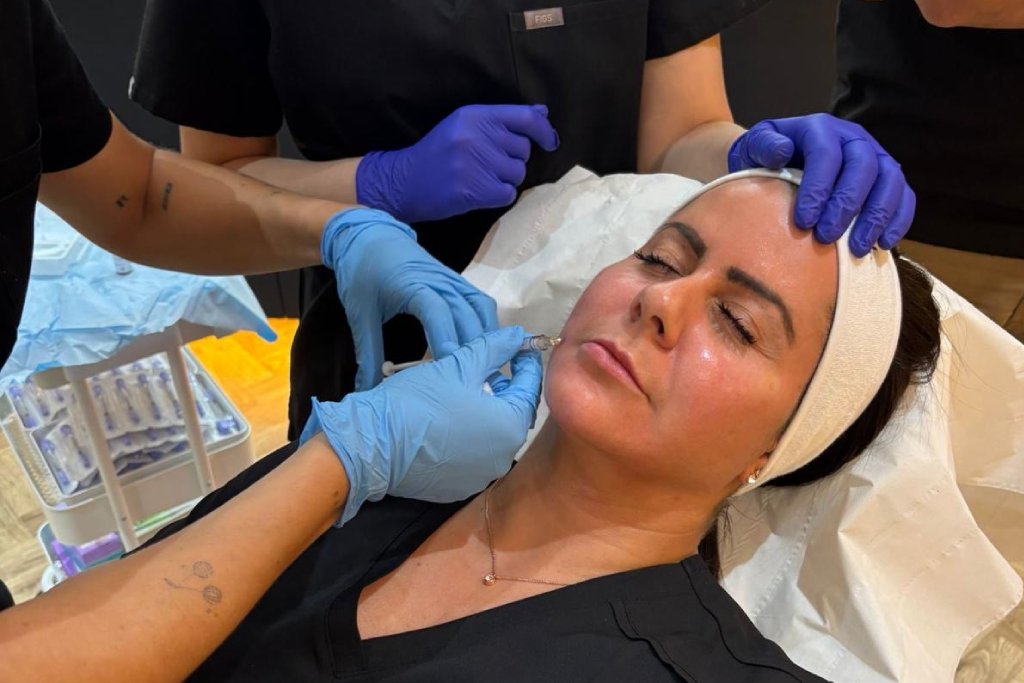
How Do Polynucleotides Work?
Polynucleotides act as signalling molecules within the skin.
Once injected into the dermis, they stimulate cellular repair processes and support the extracellular matrix — the structural framework that keeps skin firm and resilient.
Rather than creating instant structural change, polynucleotides work gradually. Improvements develop over several weeks as collagen production increases and tissue quality improves.
This makes them ideal for patients looking for:
- Natural-looking rejuvenation
- Subtle improvements in skin texture
- Preventative skin ageing support
- Under-eye revitalisation without adding volume
Most treatment plans involve a course of sessions, typically spaced 2–4 weeks apart, to maximise the regenerative benefit.
Who Is Suitable for Treatment?
Polynucleotide treatments can be suitable for a wide range of patients.
They are particularly appealing to those who:
- Want to improve skin quality without adding volume
- Have delicate under-eye skin
- Prefer a regenerative approach to ageing
- Are not ready for dermal filler
- Have mild to moderate skin laxity
- Are noticing early skin changes
Because the treatment works by stimulating your body’s own repair mechanisms, the results tend to be subtle and natural.
As with all injectable treatments, a full consultation is essential to assess suitability and rule out any contraindications.
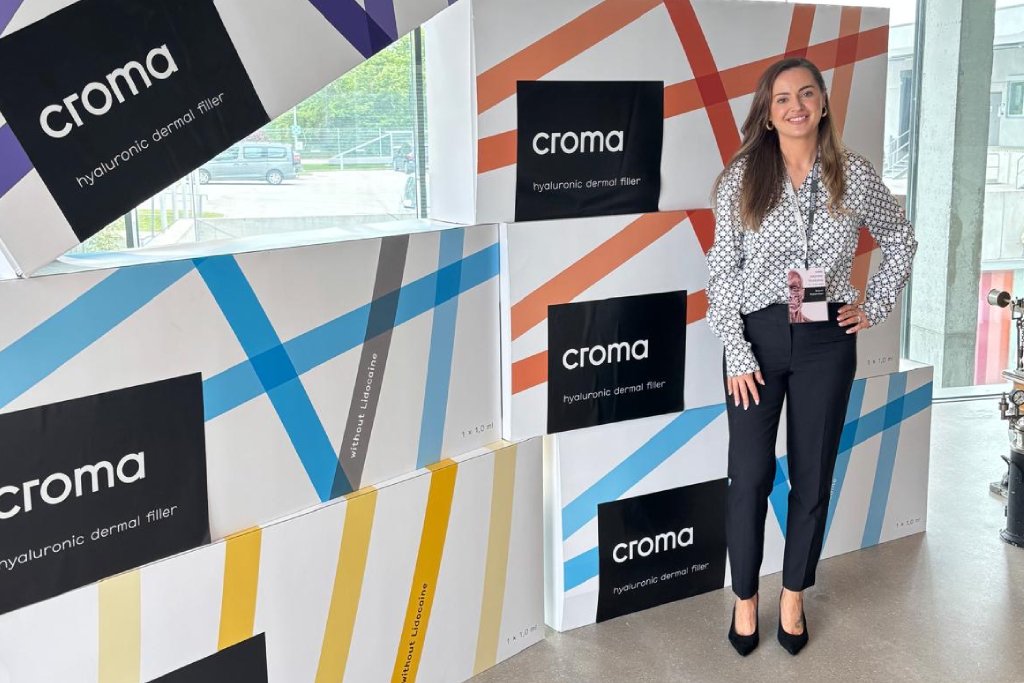
Why Product Quality Matters
This is one of the most important aspects of polynucleotide treatment.
Not all products are created equally.
In the UK, regulation around aesthetic injectables continues to evolve, which means patients may not always realise that the purity and manufacturing standards of the product can vary significantly.
Clinically purified polynucleotides undergo advanced processing to remove proteins and impurities that could otherwise trigger inflammatory reactions.
High-quality products should be:
- Highly purified
- Sterile
- Biocompatible
- Consistent in molecular structure
- Manufactured to pharmaceutical-grade standards
Using poorly purified or inferior products increases the risk of inflammation, prolonged swelling, delayed reactions, or compromised results.
At our clinic, product choice is based on clinical safety, evidence, and manufacturing quality, rather than marketing trends.
Why Practitioner Expertise Matters
Polynucleotide treatments may be regenerative, but they are still medical procedures.
Successful treatment requires an understanding of:
- Facial anatomy
- Injection depth and technique
- Skin physiology
- Appropriate patient selection
- Management of potential complications
Choosing a practitioner who is medically trained and aligned with recognised professional guidance — such as standards promoted by the Joint Council for Cosmetic Practitioners — helps ensure your safety is prioritised.
Working within a doctor-led clinic environment also means treatment planning can be approached collaboratively when needed, ensuring patients receive safe and appropriate care.
What to Expect During Treatment
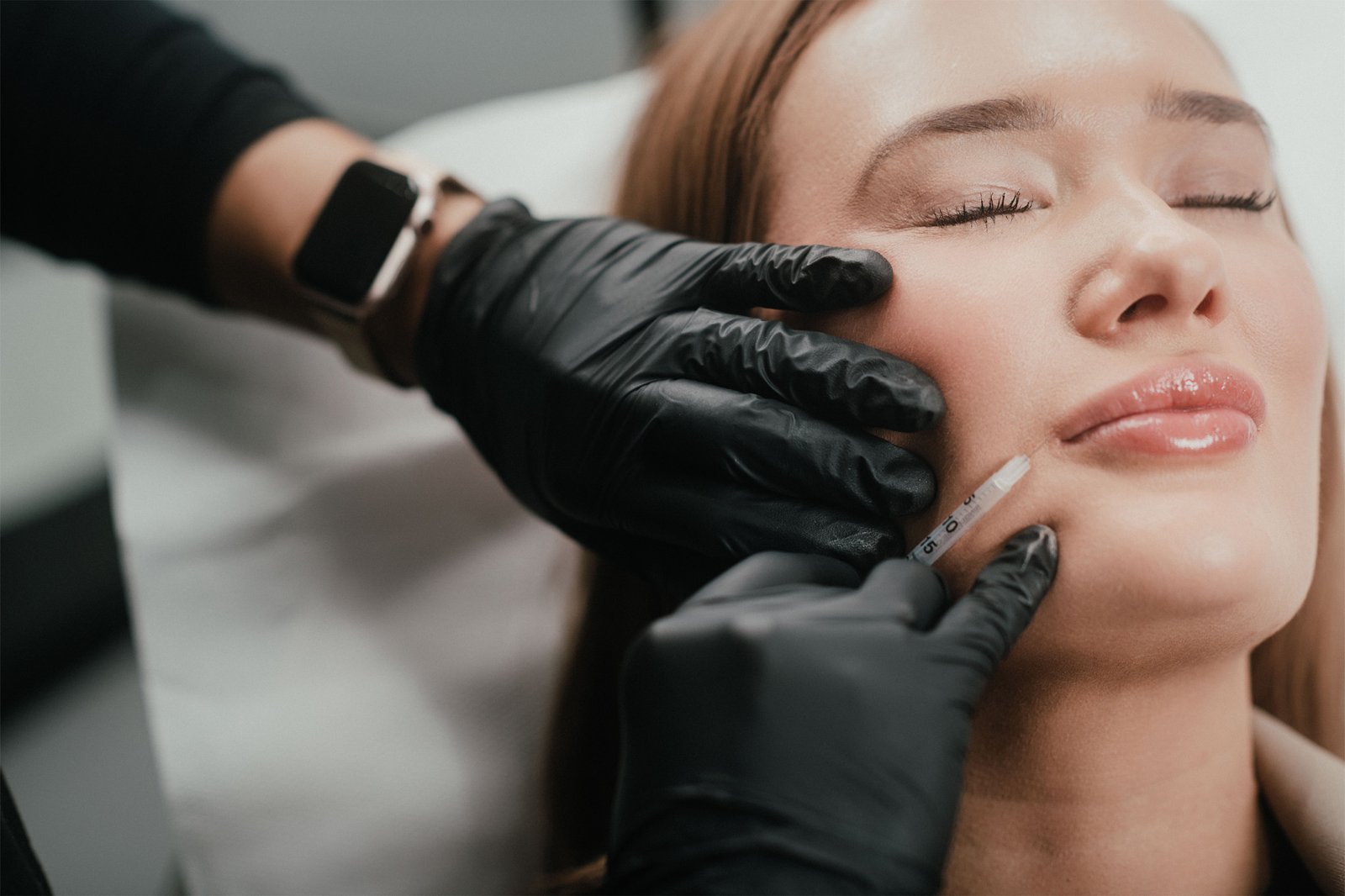
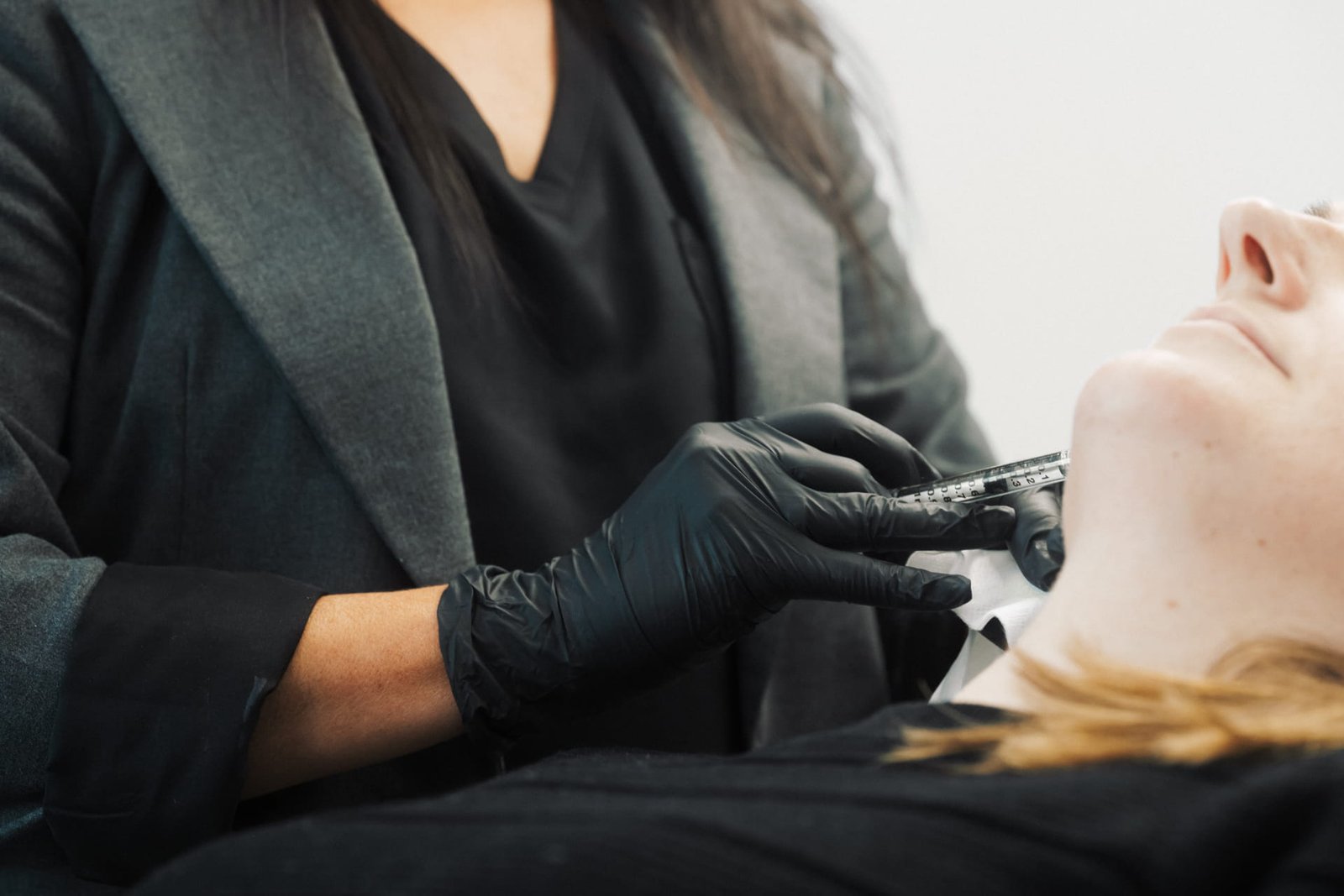
Polynucleotide treatment involves a series of small injections into the targeted area.
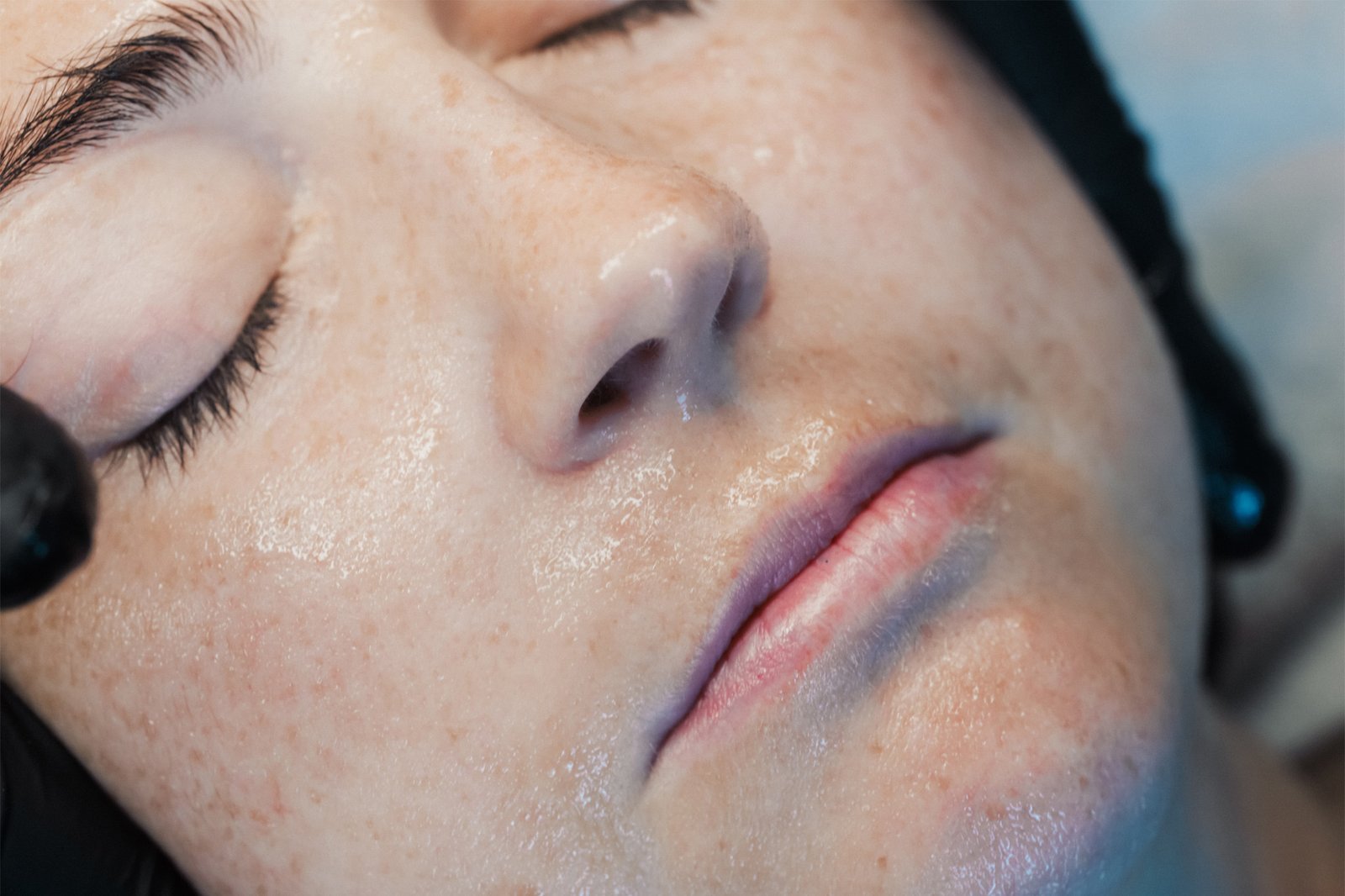
Immediately afterwards, you may notice mild swelling, redness, or small bumps at the injection sites. These reactions are normal and typically settle within 24–48 hours.Because the treatment works through regeneration rather than filling, results are not immediate. Improvements develop gradually as skin repair processes are stimulated.
Over time, patients often notice:
- Brighter under-eye appearance
- Smoother skin texture
- Improved hydration
- Firmer skin quality
- A healthier overall glow
A course of three treatments is usually recommended initially, followed by occasional maintenance depending on your skin’s needs.
How Polynucleotides Differ From Dermal Fillers
Polynucleotides are sometimes confused with dermal fillers, but they serve very different purposes.
Dermal fillers restore volume and contour.
Polynucleotides improve skin quality and tissue health.
In some cases, the two treatments complement each other beautifully. In other situations — particularly delicate areas like the under-eye — polynucleotides may be preferred when volume is not required.
For patients concerned about looking “overdone”, regenerative treatments like polynucleotides can be an excellent starting point.
A Regenerative Approach to Skin Ageing
One of the reasons polynucleotide treatments are gaining popularity is because they align with a more regenerative philosophy in aesthetic medicine.
Rather than chasing dramatic transformations or short-term trends, regenerative treatments aim to:
- Support your skin’s natural biology
- Encourage long-term improvement
- Maintain natural movement and expression
- Enhance rather than alter
This approach often requires patience and consistency, but the results are typically subtle, healthy, and natural-looking.
Making an Informed Decision
If you are considering polynucleotide treatment, it’s important to ask questions during your consultation.
For example:
- Which product is being used?
- Is it clinically purified?
- How many treatments will I need?
- What results are realistic for my skin?
- What are the potential risks?
This approach often requires patience and consistency, but the results are typically subtle, healthy, and natural-looking.
A responsible practitioner will always welcome these discussions.
Polynucleotide therapy represents an exciting development in regenerative aesthetics, but its success ultimately depends on two key factors: product quality and practitioner expertise.
When both are prioritised, the results can be beautifully natural.
And as always, informed decisions are the foundation of healthy, confident skin.
If you’re considering treatment and would like professional guidance, you can book a consultation with Nurse Sami at Dr Lauren Medical Aesthetics Clinic to discuss safe and appropriate options for you.