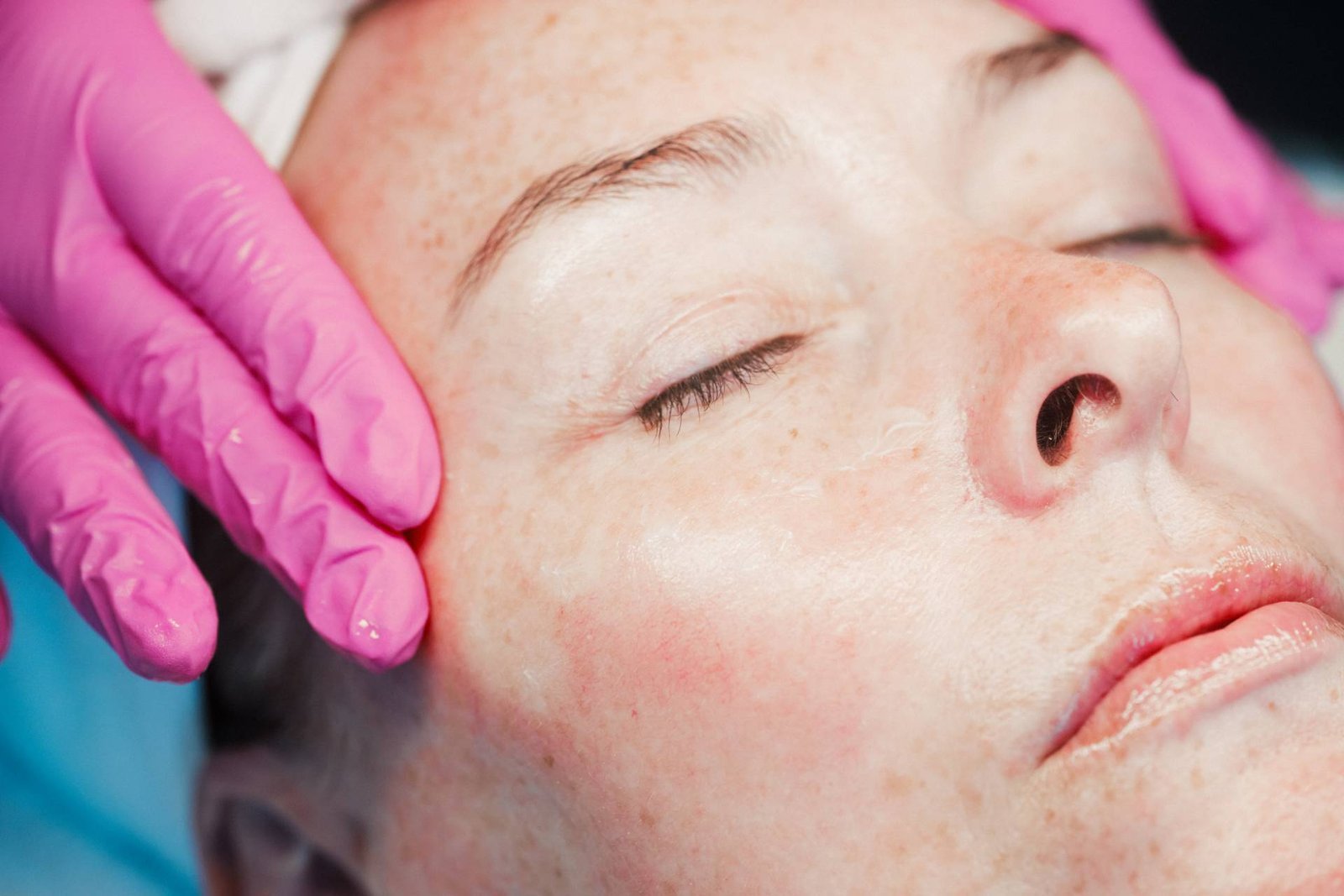
Rosacea is more than just a bit of redness. For many people, it’s a persistent, confidence-impacting skin condition that can make everyday interactions feel uncomfortable.
Whether your cheeks flush easily, you struggle with visible blood vessels, or you experience painful bumps and flare-ups, living with rosacea can be both physically and emotionally challenging.
The good news?
While rosacea can’t be permanently cured, it can be managed effectively; often with dramatic improvements in redness, texture, and sensitivity.
If you’re looking for what helps rosacea and want a clear, personalised plan, this guide will walk you through proven treatment options and practical tips available right here in Hamilton.
Common Triggers: Understanding What Causes Rosacea to Flare
The first step to managing rosacea is understanding what triggers it. Because rosacea is a chronic inflammatory skin condition, it tends to react to certain environmental, lifestyle, and skincare factors. Everyone’s skin is different, but some common culprits consistently appear across patients.
1. Heat and Sun Exposure
High temperatures and direct sunlight are major triggers for many rosacea sufferers. Heat dilates blood vessels, leading to flushing and increased redness. Even a hot shower or a steamy cup of tea can sometimes cause a flare-up.
2. Alcohol and Spicy Foods
Alcohol (particularly red wine) and spicy meals are classic rosacea triggers. Both cause blood vessels to expand, resulting in a flushed or blotchy appearance.
3. Stress and Emotions
Emotional stress and anxiety can stimulate the nervous system and increase blood flow to the face, making redness and inflammation worse. Learning stress management techniques can be an important part of rosacea flare-up management.
4. Skincare Products
Products with harsh ingredients, such as alcohol, fragrances, and exfoliating acids, can aggravate sensitive skin. For those with rosacea, the wrong skincare routine can unintentionally make redness more prominent.
5. Weather Changes
Cold, windy conditions and low humidity can dehydrate the skin, while hot, humid weather can increase oil production; both can contribute to flare-ups.
By identifying your personal triggers, you can take meaningful steps to prevent and minimise future flare-ups.
What Helps Rosacea: Proven Treatments and Skincare Strategies
Once you understand what causes your flare-ups, the next step is to focus on what helps rosacea. Thankfully, modern skincare technology and clinical treatments have advanced significantly, offering long-term relief and real improvements in skin tone, comfort, and confidence.
In-Clinic Rosacea Treatments in Hamilton:
1. Dermalux LED Light Therapy
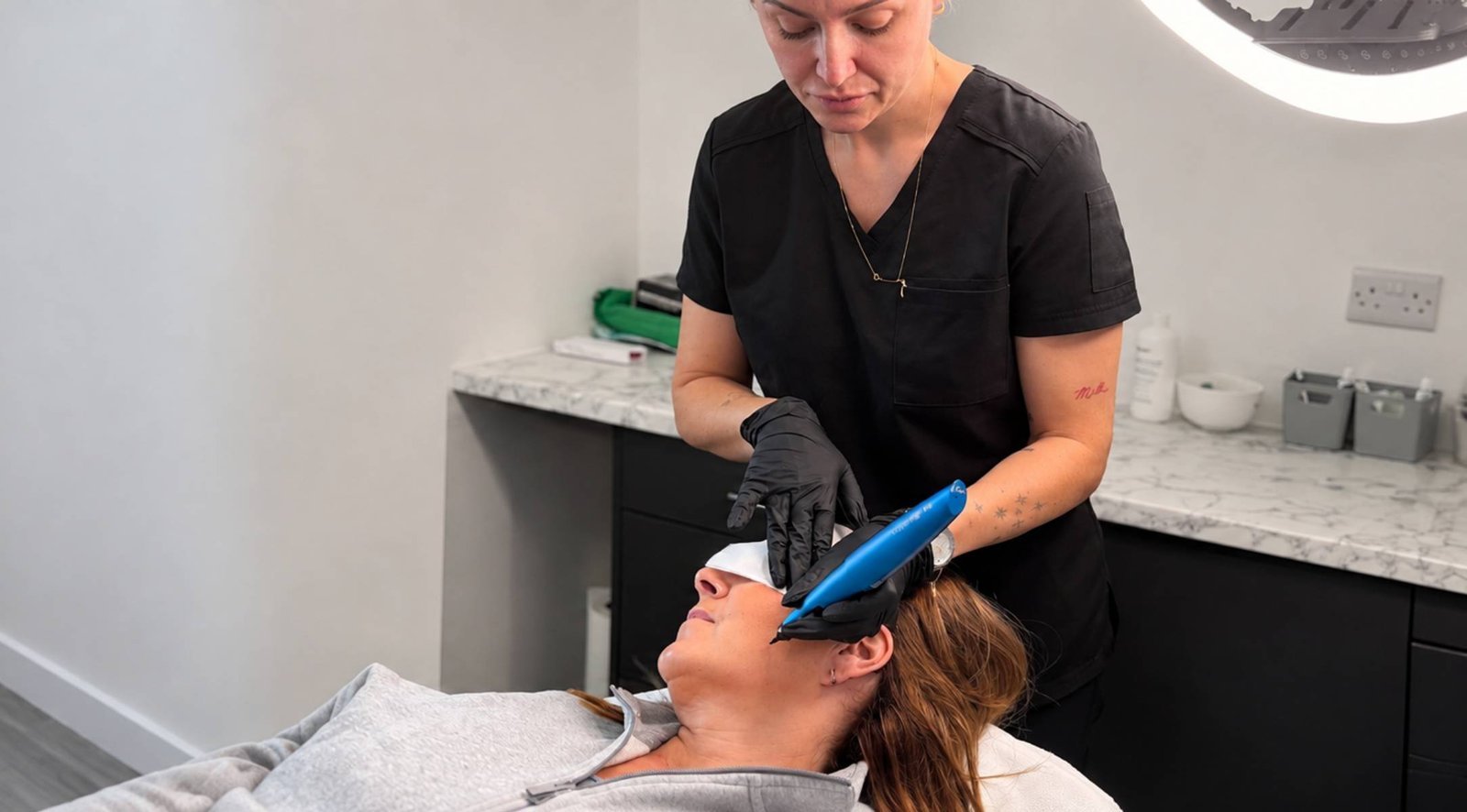
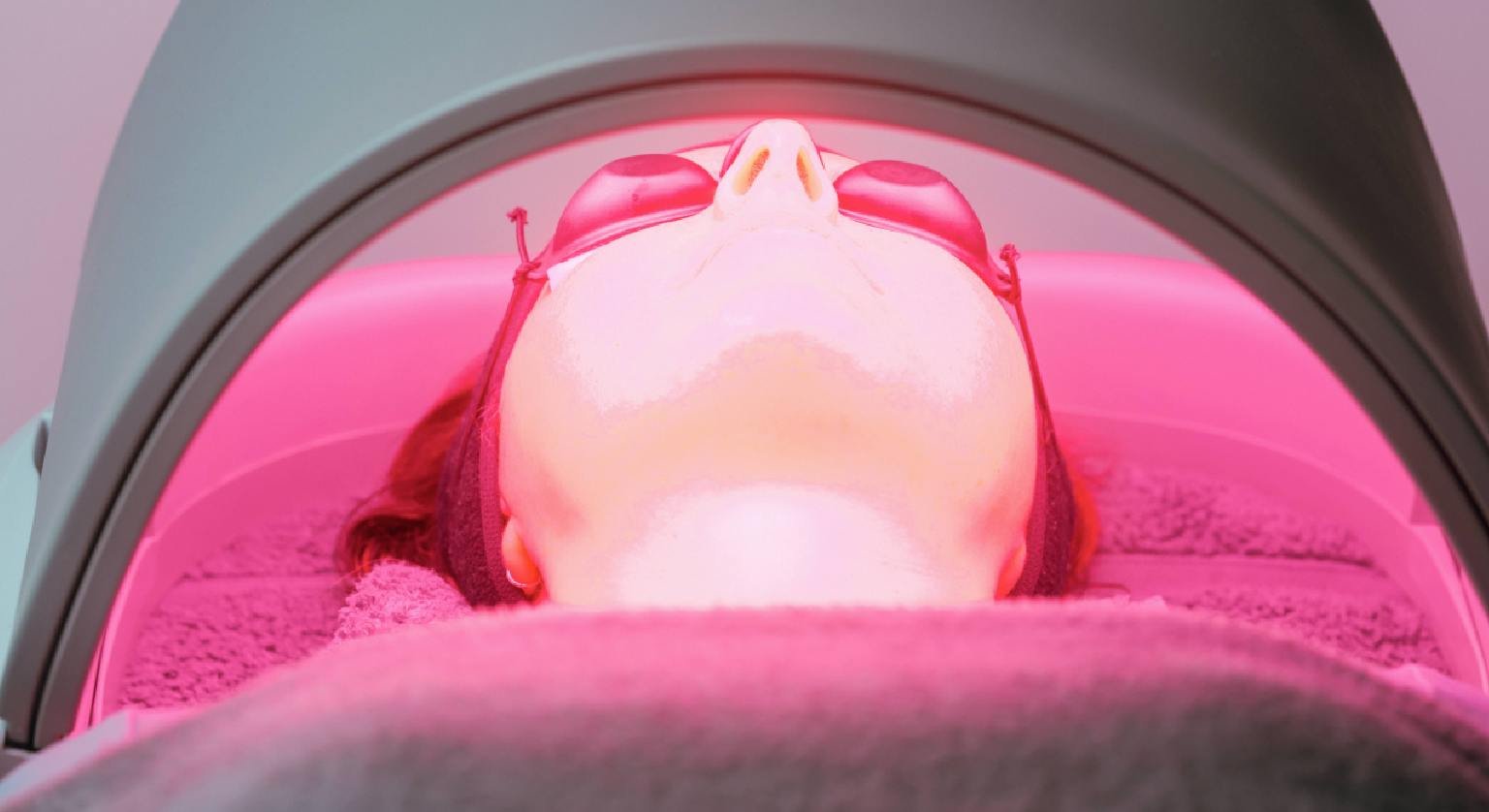
Dermalux LED therapy is one of the most effective non-invasive treatments for rosacea. It uses specific wavelengths of light to calm inflammation, reduce redness, and strengthen the skin barrier. Blue and near-infrared light work together to soothe irritation while stimulating cellular repair; a game-changer for sensitive, easily flushed skin.
2. HydroPeptide Clinical Facials
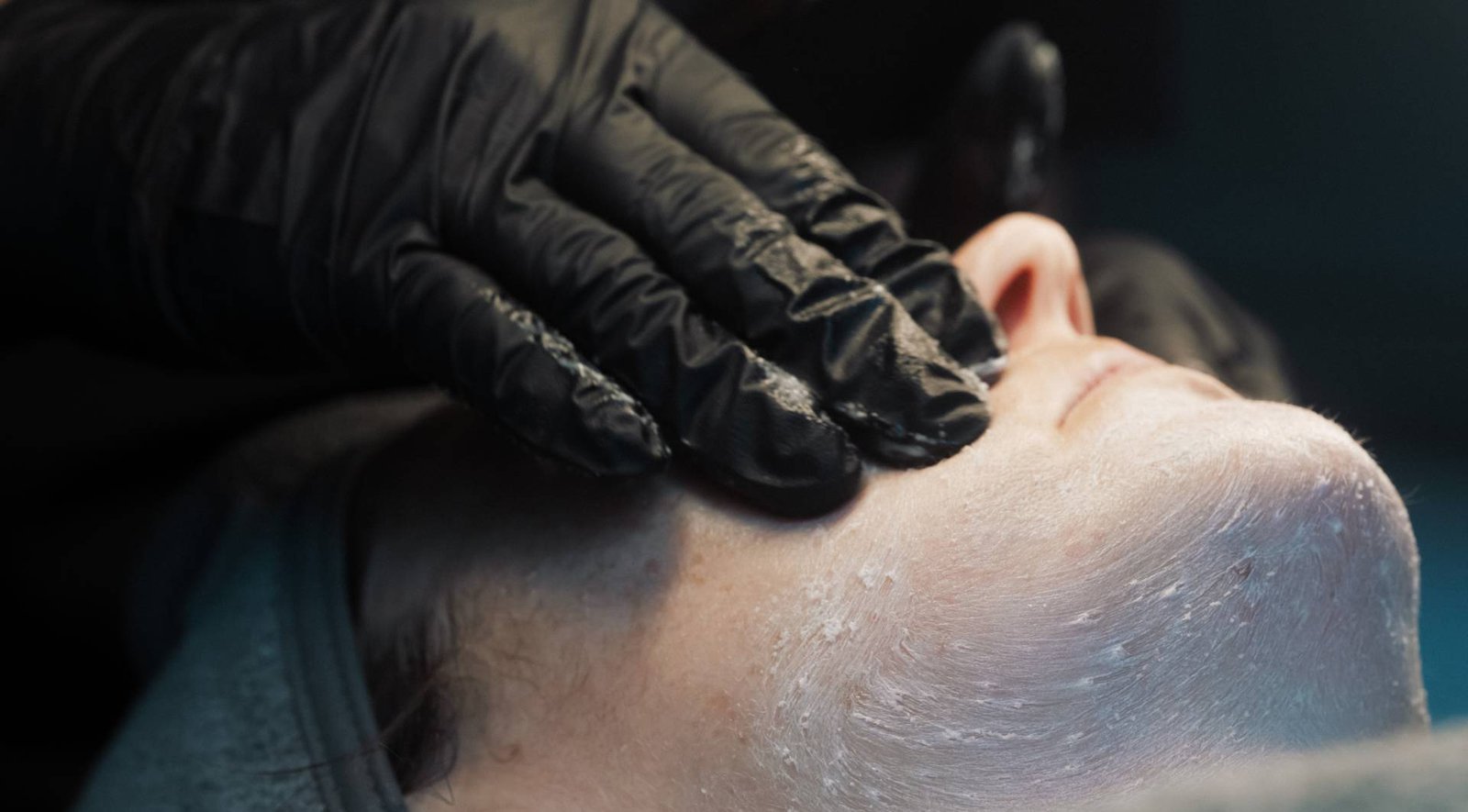
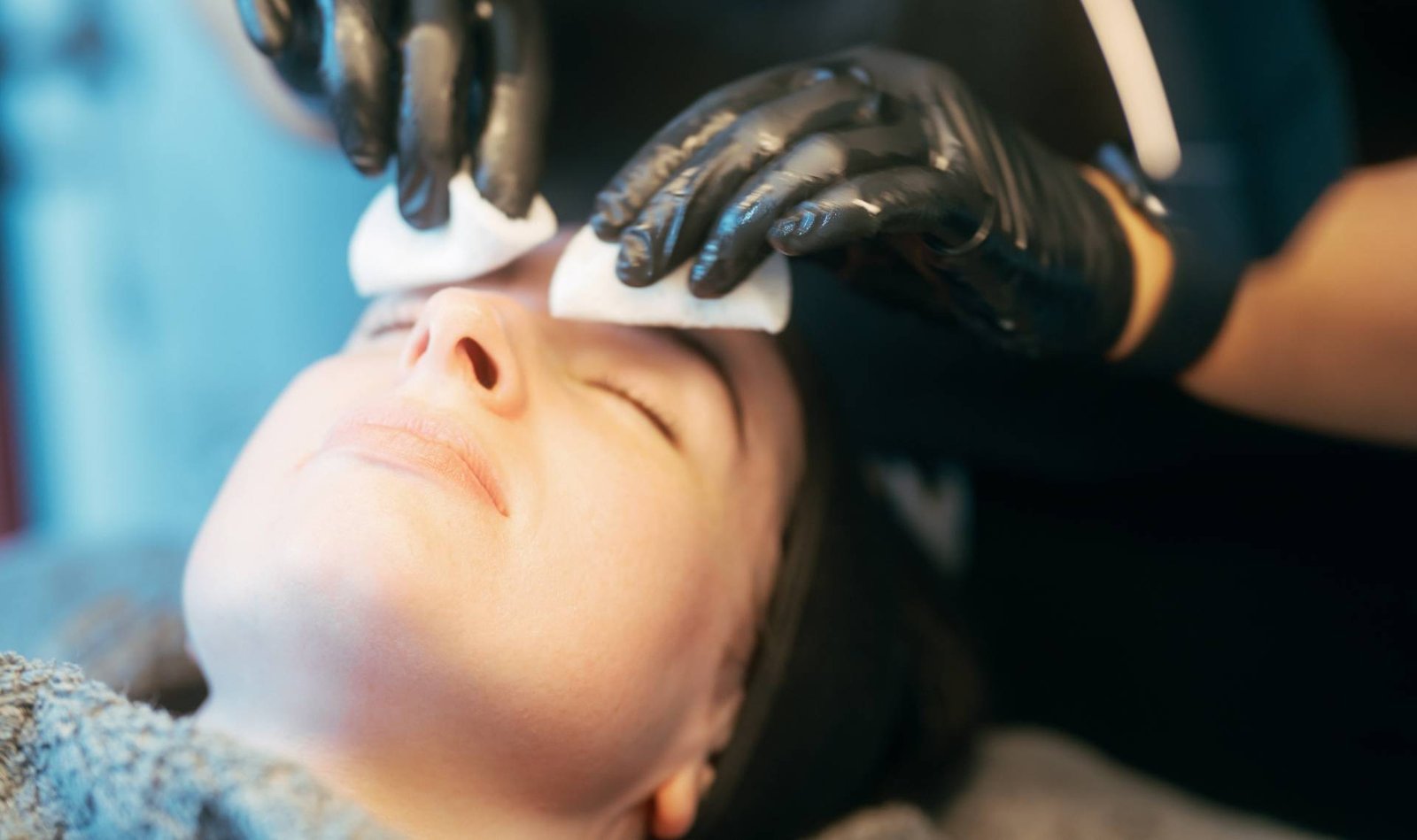
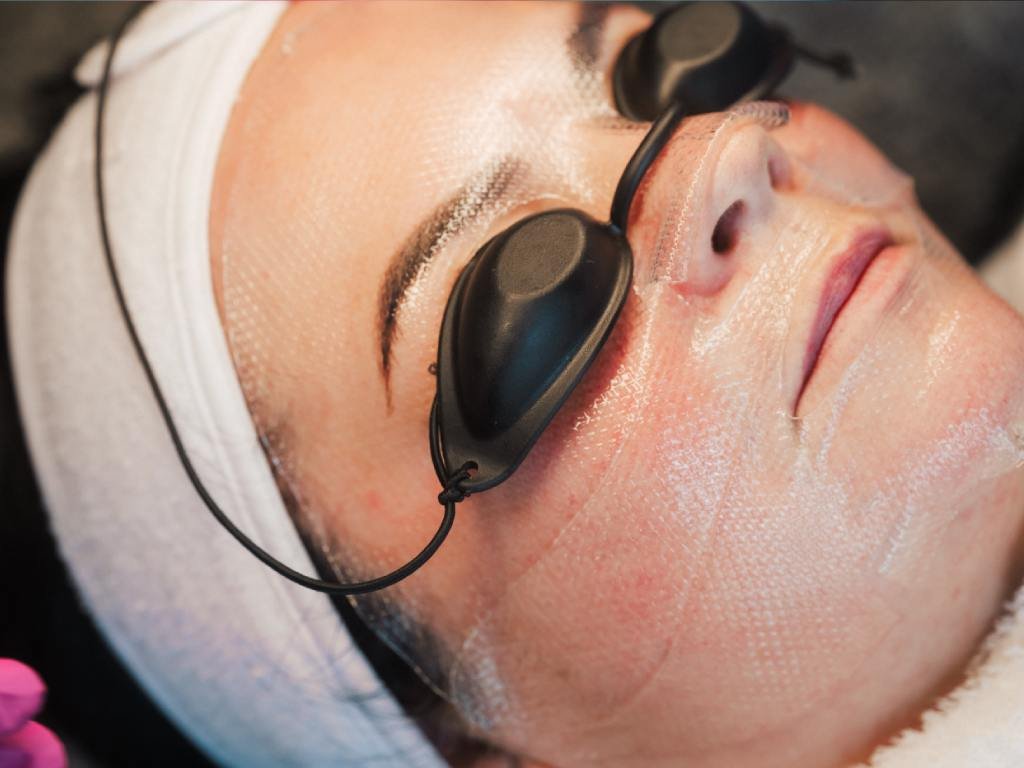
HydroPeptide facials are tailored for sensitive skin and use peptide-rich formulations to reduce redness, improve hydration, and promote healing. These facials gently strengthen the skin without causing irritation, making them ideal for those with ongoing redness or rosacea-prone skin.
3. Prescription Topical Treatments
For moderate to severe cases, a clinician or dermatologist may prescribe topical treatments or oral medications to target the root cause of inflammation. These can help manage flare-ups, control bacteria, and reduce visible blood vessels. A personalised consultation in Hamilton ensures you get a treatment plan tailored to your unique skin type and severity.
At-Home Care: Building a Rosacea-Friendly Skincare Routine:
Daily skincare plays a crucial role in long-term rosacea management. The right products can protect your skin barrier, calm irritation, and reduce redness over time.
1. Gentle, Medical-Grade Skincare
Opt for rosacea skincare products that are fragrance-free, non-comedogenic, and specifically formulated for sensitive skin. Medical-grade brands offer the benefit of clinically tested ingredients that target redness without triggering irritation. Look for products containing:
- Niacinamide: to calm inflammation and strengthen the skin barrier
- Azelaic acid: to reduce redness and bacteria
- Hyaluronic acid: to provide soothing hydration
Avoid harsh scrubs, alcohol-based toners, and foaming cleansers; these can strip the skin and worsen sensitivity.
2. SPF Every Single Day
Sun protection is non-negotiable for anyone managing rosacea. UV exposure is one of the top causes of flare-ups and long-term skin damage. Choose a broad-spectrum SPF 30+ that contains mineral filters like zinc oxide or titanium dioxide, which are gentler on sensitive skin than chemical sunscreens.
3. Keep It Simple
Rosacea-prone skin often thrives on simplicity. Stick to a minimal routine of cleanser, moisturiser, and sunscreen, and introduce new products slowly to monitor how your skin reacts.
Lifestyle Adjustments: Managing Triggers from the Inside Out
Beyond skincare and clinical treatments, lifestyle changes can make a significant difference in how often and how intensely your rosacea flares.
1. Track and Manage Your Triggers
Keep a skin diary to identify patterns between your diet, emotions, weather, and flare-ups. Once you know what sparks redness, you can take proactive steps; like drinking your coffee iced instead of hot or using a cooling mist after exercise.
2. Stress Management
Because emotional stress is such a strong trigger, integrating relaxation techniques like yoga, meditation, or regular walks can help regulate your nervous system and keep flare-ups in check.
3. Diet and Hydration
Stay hydrated and focus on anti-inflammatory foods such as leafy greens, fatty fish, and berries. Avoid excessive caffeine, alcohol, and spicy dishes when possible.
4. Temperature Regulation
Avoid extremes of hot and cold. Use lukewarm water when cleansing your face and consider carrying a cooling facial mist during the summer months.
These small, consistent lifestyle changes often lead to long-term improvements in skin comfort and appearance.
Expectation Setting: Managing, Not Curing, Rosacea
It’s important to understand that rosacea is a chronic condition, meaning there’s no permanent “cure.” However, with the right combination of clinical treatments, skincare, and lifestyle adjustments, symptoms can be dramatically reduced, and many people see long-lasting improvements in redness, bumps, and overall skin tone.
Think of rosacea flare up management as a long-term partnership between you and your skincare professional. Over time, flare-ups become less frequent, redness fades, and your skin becomes more resilient.
Conclusion: Find Personalised Rosacea Treatment in Hamilton
Rosacea can be frustrating, but it doesn’t have to control your confidence or comfort. Understanding what helps rosacea (from advanced in-clinic therapies like Dermalux LED and HydroPeptide facials, to gentle daily skincare and smart lifestyle habits) can transform the way your skin looks and feels.
At our Hamilton clinic, we specialise in creating personalised rosacea treatment plans that address your unique triggers, symptoms, and goals.
Whether you’re just beginning to explore rosacea skincare or looking to refine your flare-up management routine, our experienced team can guide you every step of the way.
So book your free rosacea consultation in Hamilton today and take the first step towards calmer, clearer, and more confident skin!

Bibliography
- Georgia Ropek – 2025 – Understanding rosacea: The root causes and what to do about it [online] Available at:
https://www.nutritionist-resource.org.uk/articles/understanding-rosacea-the-root-causes-and-what-to-do-about-it - Cynthia Bailey – 2025 – Food & Lifestyle Choices That Can Trigger or Help Reduce Rosacea [online] Available at:
https://drbaileyskincare.com/blogs/blog/food-lifestyle-choices-rosacea?srsltid=AfmBOorRPE4_h1BFCGi_zqlx-mu185RZa_aYeSCt8Q6z9C3iKukUSq6A - Caci Clinic – 2025 – Redness & Rosacea Treatment [online] Available at:
https://caci.co.nz/pages/skin-concerns-redness-rosacea?srsltid=AfmBOoqLsqWnz83EKYVY8NVX9_bbSyg443W5jT3Et2Y5fXFcl7wFJRva