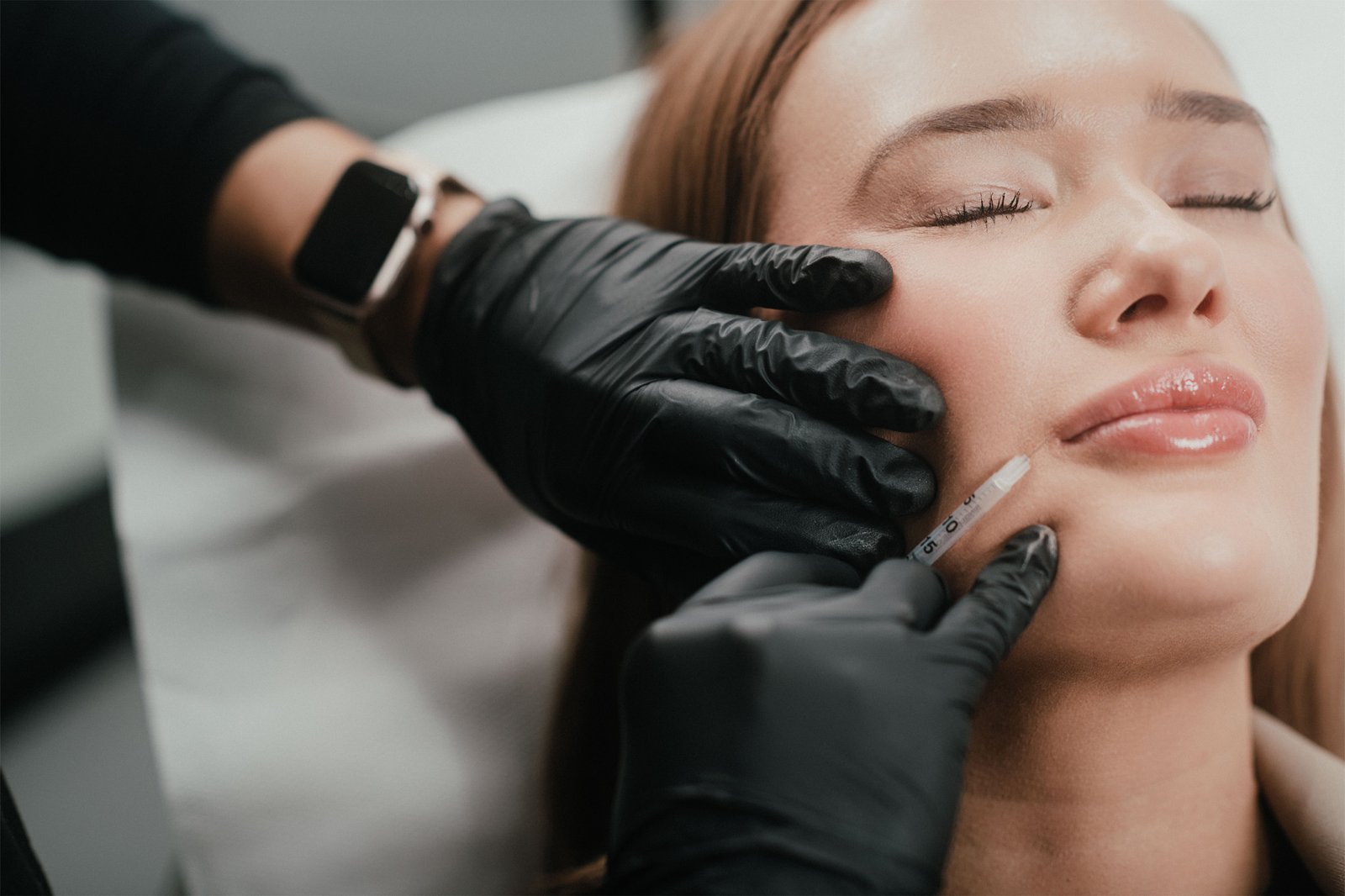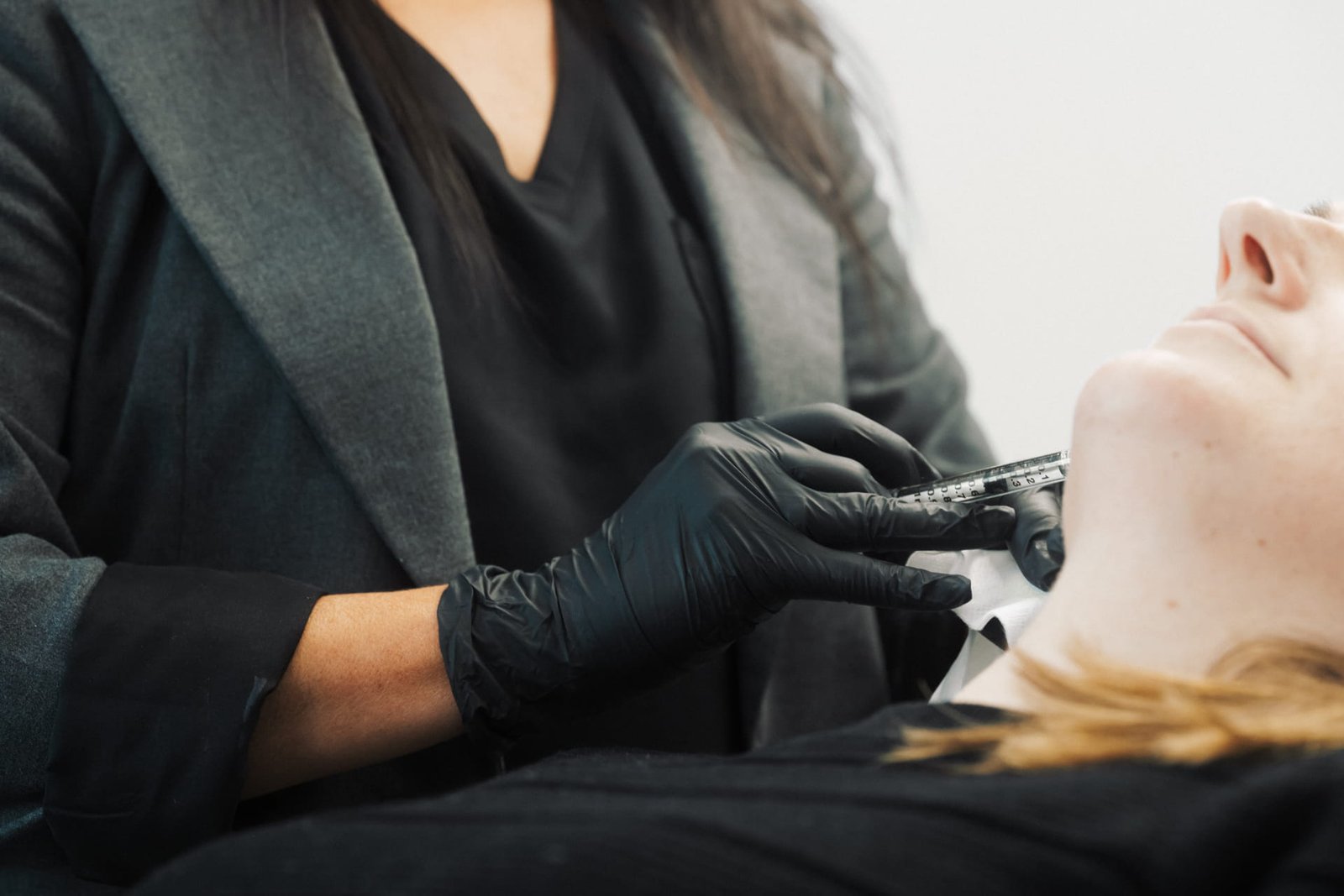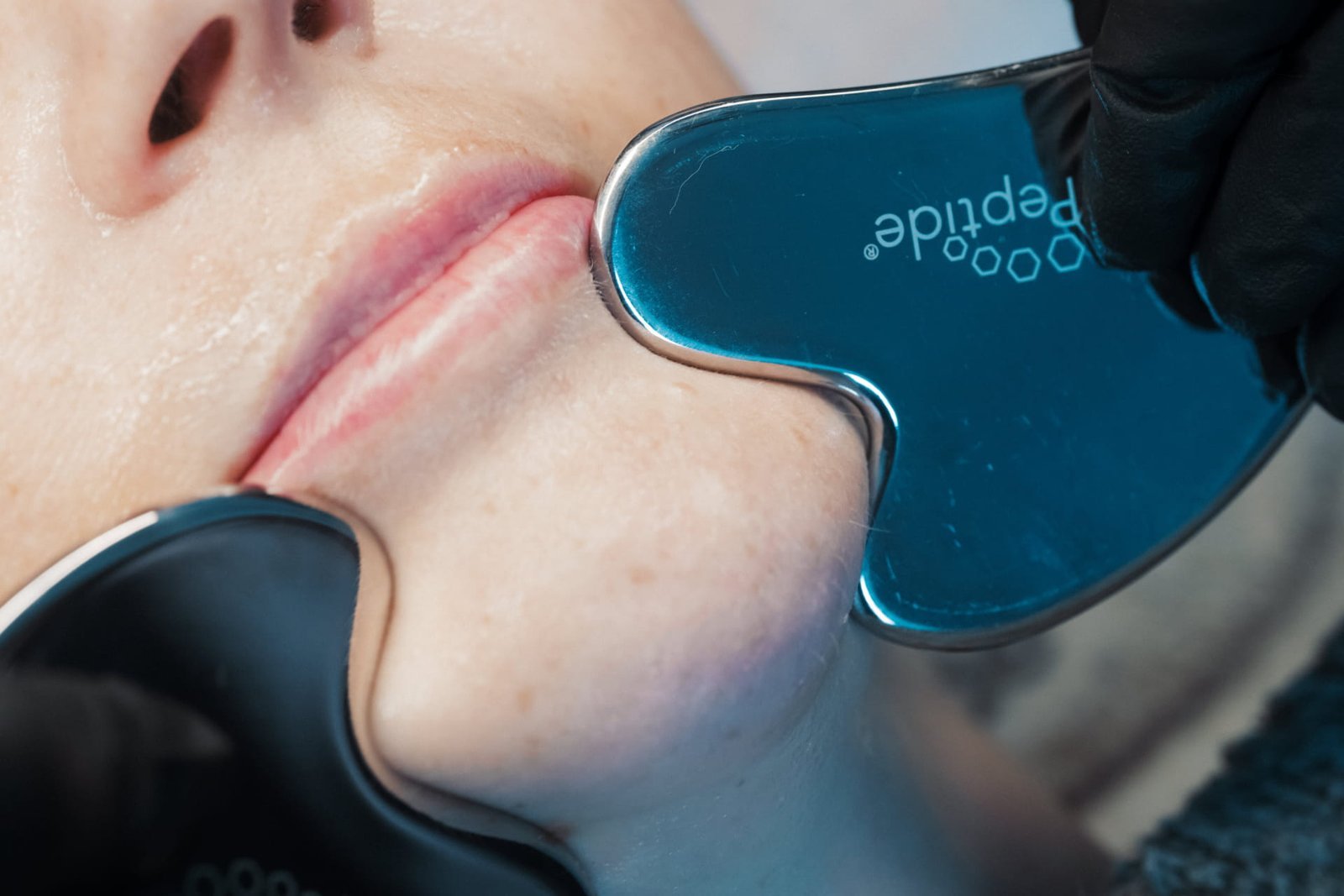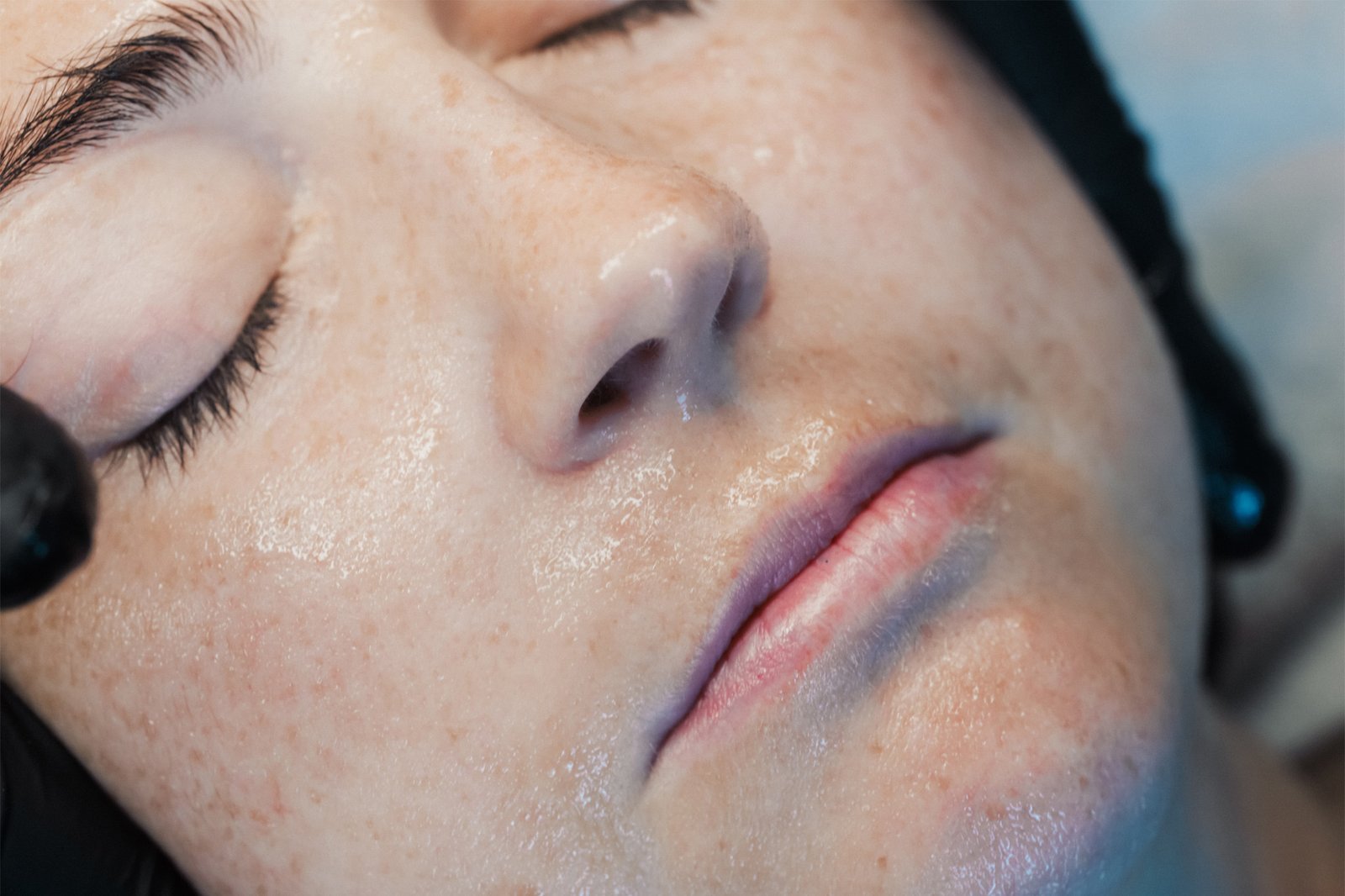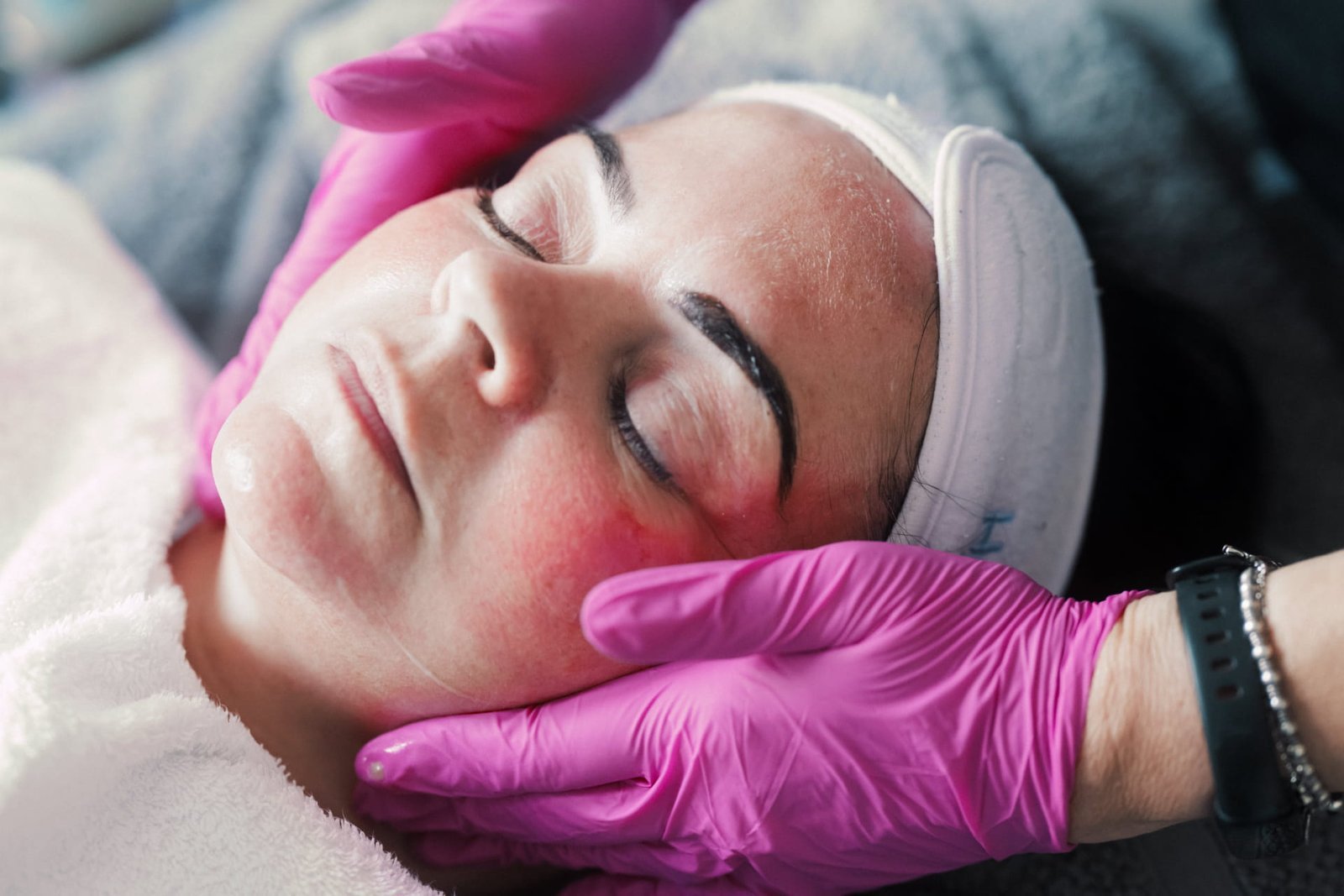
Stepping into the world of medical aesthetics for the first time can feel a little overwhelming.
If you’re new to medical aesthetics, you might be wondering where to start, what treatment to choose, or even whether your concerns are “enough” to warrant a consultation.
Many people worry about looking unnatural, making the wrong choice, or feeling pressured. These are completely normal fears.
Here’s the good news: modern aesthetics is not about extremes.
It’s about subtlety, confidence, and a gentle sense of empowerment: helping you look like you; just fresher, healthier, and well-rested.
When delivered by a skilled medical professional, aesthetic treatments should feel intuitive, safe, and tailored to your needs.
This guide is designed to remove the confusion and help you approach your journey with clarity and confidence.
Why People Consider Aesthetic Treatments
People seek beginner aesthetic treatments for many different reasons, and almost all of them are rooted in wanting to feel better within their own skin; not to dramatically change their appearance.
Here are some of the most common motivations:
- Fresher, Healthier-Looking Skin
Perhaps you’ve noticed your skin looks a little dull, dehydrated, or less radiant than it used to. Treatments can support hydration, boost collagen, and enhance overall skin vitality. - Feeling Tired or Less Confident
Many first-timers describe looking perpetually tired, even when they feel fine. Subtle treatments can soften this appearance and bring back a sense of brightness. - Normal Ageing Changes
Fine lines, wrinkles, volume loss, and changes in skin texture are all part of ageing. Medical aesthetics offers gentle ways to restore balance and maintain long-term skin health. - Skin Conditions
Rosacea, pigmentation, acne scarring, and uneven texture are common reasons people explore treatment options. Clinical skin therapies can play a role in managing these concerns. - Looking Like “Yourself but Well-Rested”
One of the biggest misconceptions is that aesthetics is about looking different. In reality, most people simply want to look refreshed, revitalised, and confident. Whatever your reason, wanting to feel your best is completely normal and absolutely valid.
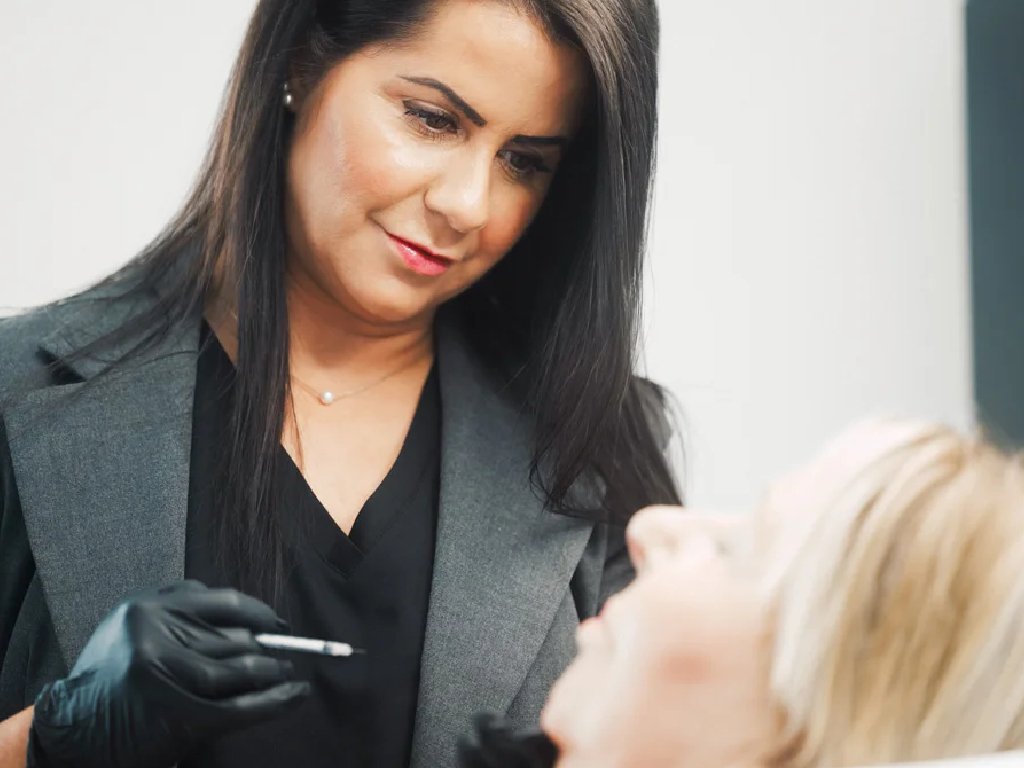
What Counts as “Medical Aesthetics”?
If you’re researching medical aesthetics for beginners, it can feel like you’ve stepped into a whole new language. Let’s demystify the main categories so you know exactly what they involve.
- Anti-Wrinkle Injections
Often known as Botox, these injections relax targeted muscles to soften lines such as frown lines, crow’s feet, or forehead creases.
Despite common myths, they don’t “freeze” your face when performed correctly. They simply help you look smoother and more refreshed. - Dermal Fillers
Fillers restore volume or enhance facial contours. Think of them as tools for subtle shaping, lifting the cheeks, refining the jawline, or softening deep lines. The results vary by injector skill; making medical oversight crucial. - Medical Skin Treatments
This includes injectable skin boosters such as Profhilo, Polynucleotides, Sculptra, and regenerative products like Exosomes. These treatments focus on improving hydration, collagen production, elasticity, and overall skin quality from within. - Advanced Skin Procedures
These include microneedling, chemical peels, LED therapy, and medical-grade facials. They target issues like pigmentation, scarring, dullness, and uneven texture; supporting long-term skin health.
All of these fall under medical aesthetics because they require clinical knowledge, sterile technique, and anatomical training. They should always be performed by qualified medical professionals.
The Importance of a Doctor-Led Consultation
Your first aesthetic consultation in Hamilton with Dr Lauren is the most important step in your aesthetic journey.
This isn’t a rushed appointment or a quick sales pitch; it’s a detailed clinical assessment designed to help you genuinely understand your options.
Here’s what typically happens:
1. Medical History Review: Your safety comes first. Discussing your health history ensures that any treatment plan is appropriate and tailored.
2. Full Skin and Facial Assessment: This includes analysing facial structure, proportions, muscle movement, and skin condition. It’s a thoughtful, medical approach rather than a one-size-fits-all model.
3. Discussion of Concerns: This is your chance to talk openly about what’s bothering you; whether it’s fine lines, dullness, pigmentation, or simply feeling less confident.
4. Clear Explanation of Suitable Treatments: Your doctor will explain what each option can realistically achieve, how it works, and what combination may give you the best outcome.
5. Setting Realistic Expectations: Expect honest, transparent guidance. The aim is subtle improvement, not transformation.
6. Safety-First Approach: Doctor-led care ensures proper dosing, sterile technique, emergency preparedness, and clinical judgment; essential for treatments involving injections or regenerative therapies.
A consultation is not a commitment. It’s a conversation and there is absolutely no pressure to proceed if you’re not ready.
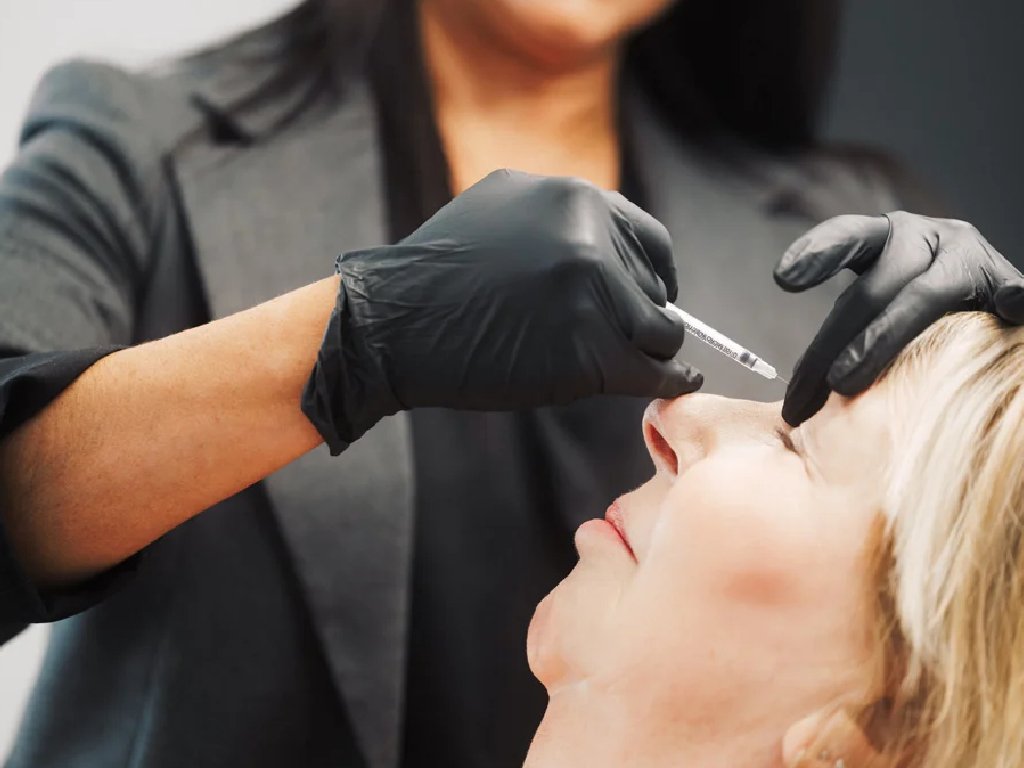
What Results to Expect
If you’re new to aesthetics, it’s helpful to understand what realistic, beautiful outcomes look like.
- Subtle Improvements: Expect to look fresher and more awake — not different.
- Enhanced Confidence: Small changes can have a surprisingly positive impact on how you feel day-to-day.
- Natural, Balanced Results: Modern aesthetics prioritises harmony, not exaggeration.
- Gradual Treatment Plans: Skin and facial rejuvenation builds over time. The best results often come from a series of treatments rather than one quick fix.
- Long-Term Skin Health: The goal is to support your skin and facial structure for years to come, focusing on prevention, maintenance, and regeneration.
Myth-Busting for First-Timers
Let’s clear up some of the most common fears people have before they start.
“It will look fake.”
Not when your care is doctor-led and focused on subtle, natural outcomes. Good work should never be obvious.
“Everything is painful.”
Most treatments involve minimal discomfort, and modern techniques make the process gentler than ever.
“Everyone will notice.”
Natural aesthetics blends seamlessly into your features. People may say you look well-rested, not “done.”
“It’s addictive.”
Ethical practitioners prioritise healthy boundaries and realistic treatment plans. You’re in control every step of the way.
Choosing the Right Path
As you explore beginner aesthetic treatments, keep these principles in mind:
- Choose Medical-Led Clinics:
Doctor-led clinics provide higher levels of safety, precision, and clinical judgement; vital when working close to delicate facial structures. - Look for Training, Transparency, and Trust:
Is the practitioner medically qualified? Do they explain things clearly? Do they prioritise your wellbeing? - Align Treatments with Your Personal Goals:
Ignore trends and focus on what feels right for you; whether that’s glowing skin, softer lines, or long-term prevention. - Remember: There Is No Pressure:
A consultation should feel informative, supportive, and empowering; not sales-driven.
Ready to Start Smart?
If you’re new to medical aesthetics and want a safe, welcoming introduction into modern treatments, booking your first aesthetic consultation in Hamilton with Dr Lauren is the perfect place to begin.
With a calm, medical-led approach and a focus on natural, confidence-boosting results, you’ll receive personalised guidance tailored to your goals; no stress, no pressure, and no confusion.
Your journey into aesthetic treatments should feel empowering, not overwhelming.
Let your first step be an informed, confident, and beautifully supported one.
Bibliography:
- Q Clinic Medical Aesthetic – 2025 – What to Do Before and After Your Aesthetic Treatment [online] Available at:
https://qclinicmedicalaesthetic.com/aesthetic-treatment/what-to-do-before-and-after-your-aesthetic-treatment/ - Skin Injectables – 2025 – A Guide to Planning Your Aesthetic Journey with Monthly Specials [online] Available at:
https://www.skinjectables.com/blog/aesthetic-journey/ - Dr Eva Bohacova – 2025 – How to choose the right aesthetic procedure for facial rejuvenation [online] Available at:
https://hellobeautyclinic.cz/en/blog/how-to-choose-the-right-aesthetic-procedure-for-facial-rejuvenation