Scars and stretch marks are often spoken about as signs of growth and change, but for many, they can feel far more personal than that. While they are incredibly common, they’re rarely part of everyday conversation, despite the quiet way they can affect confidence and self-image.
They are among the most common skin concerns, affecting people of all ages and skin types [5][6]. And while the changes are physical, the impact often goes deeper, influencing how individuals feel about their skin on a daily basis [3][6].
This is why many people begin to look for treatments that go beyond surface-level solutions, focusing instead on restoring skin quality from within [1][4].
One treatment that has gained increasing attention in recent years is microneedling, also known as collagen induction therapy [3][4].
It offers a range of skin needling benefits by stimulating the skin’s natural repair processes and encouraging it to rebuild and strengthen over time [1][4].
For those looking to improve scars in Hamilton or considering microneedling stretch marks in Glasgow, understanding how this process works is an important step in setting realistic expectations and achieving results that feel both visible and meaningful [2][4].

What Causes Scars & Stretch Marks
Whether they develop after acne, injury, pregnancy, or weight changes, scars and stretch marks can change both the texture and appearance of the skin [5][6].
At their core, both scars and stretch marks are linked to disruption within the skin’s collagen network, which is why treatments like collagen induction therapy are often recommended [6][5].
Collagen is the protein responsible for maintaining skin strength, elasticity, and resilience [4][6].
When the skin experiences trauma, the healing process can lead to uneven collagen formation, resulting in visible scars and textural changes [3][4]. Treatments like microneedling scar treatment work to encourage more balanced collagen production over time.
This is why surface-level skincare alone is often not enough. Meaningful improvement usually requires treatments that work deeper, helping the skin repair and rebuild from within [2][6].
What Is Microneedling
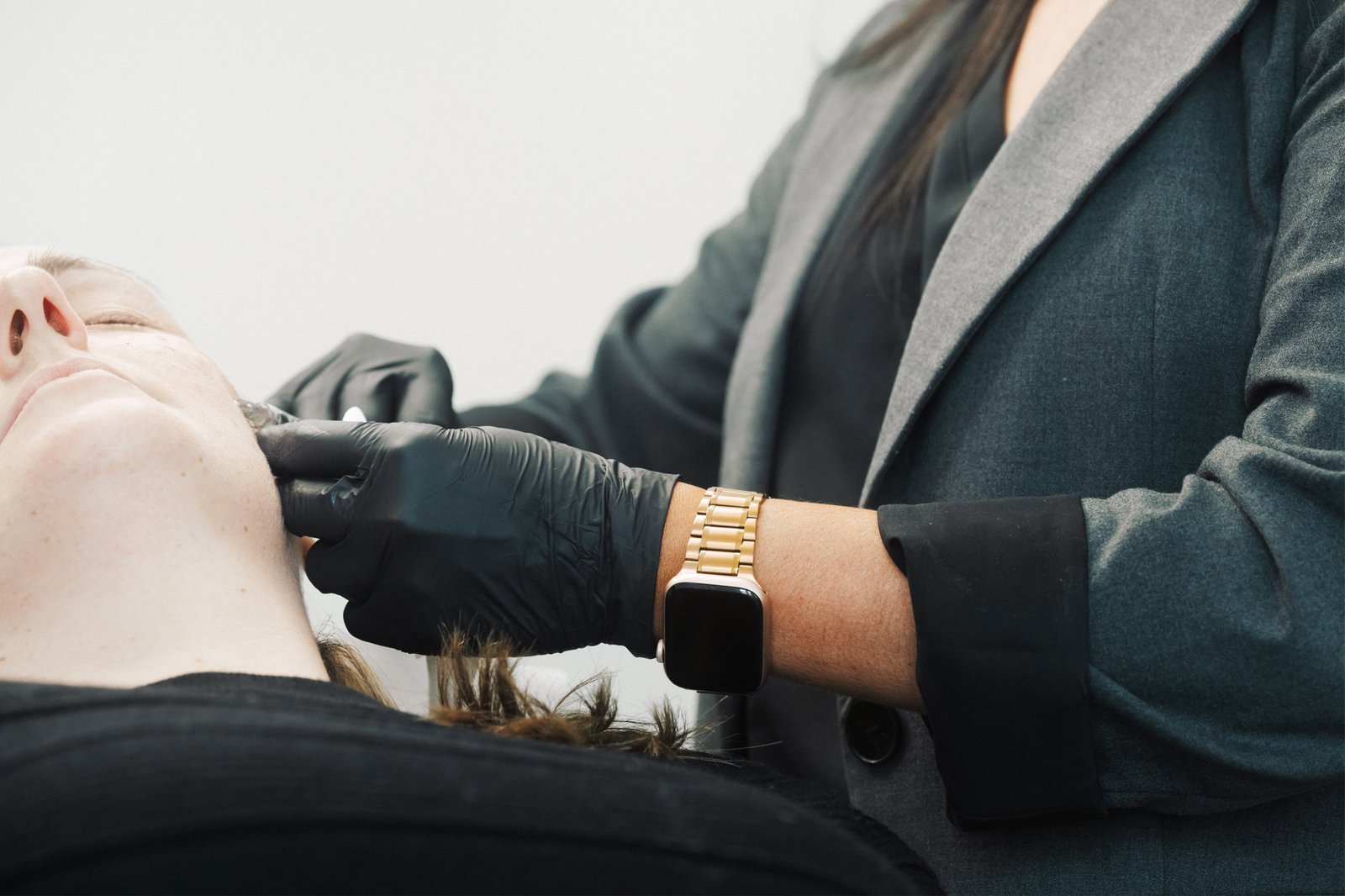
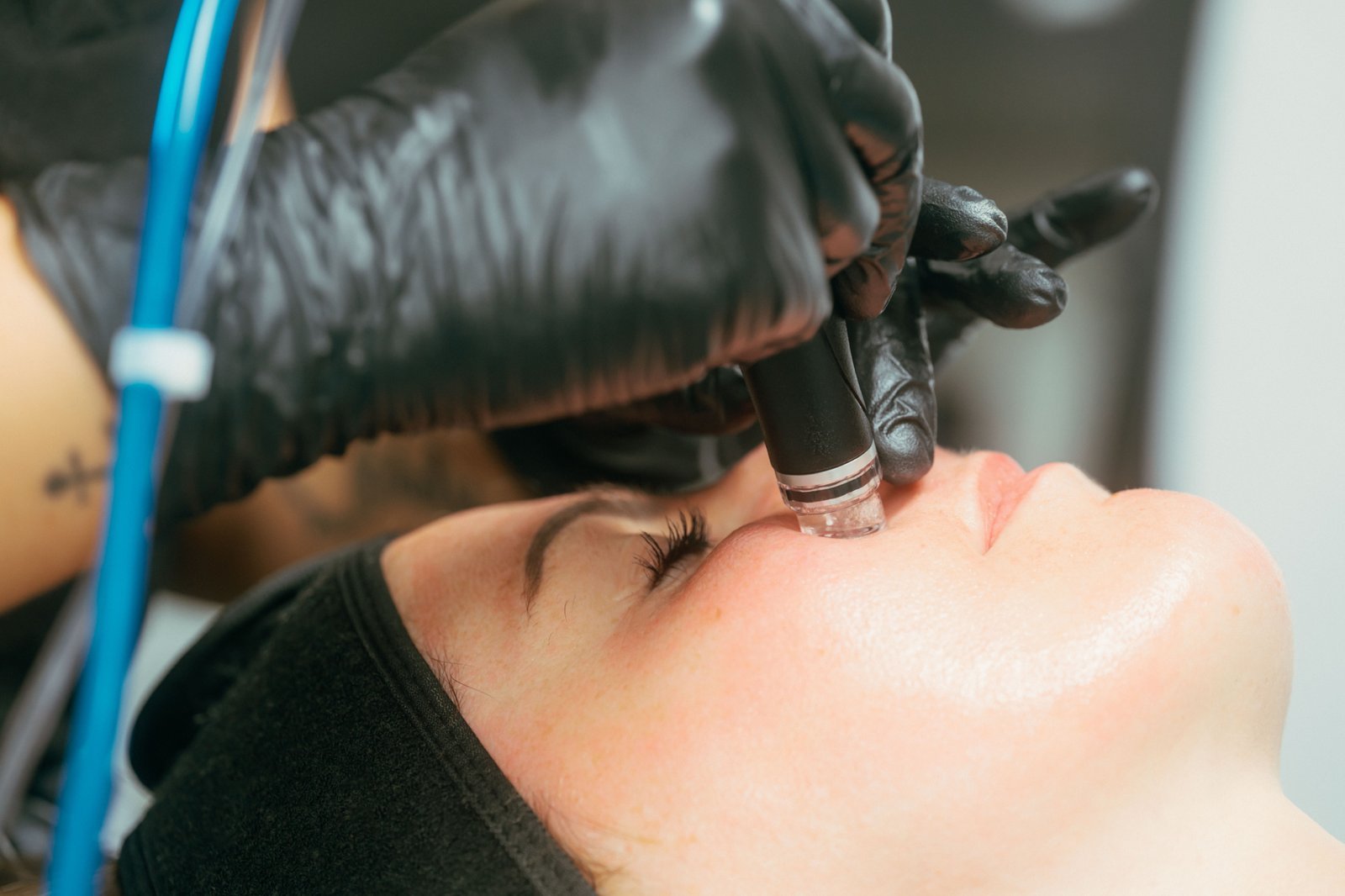
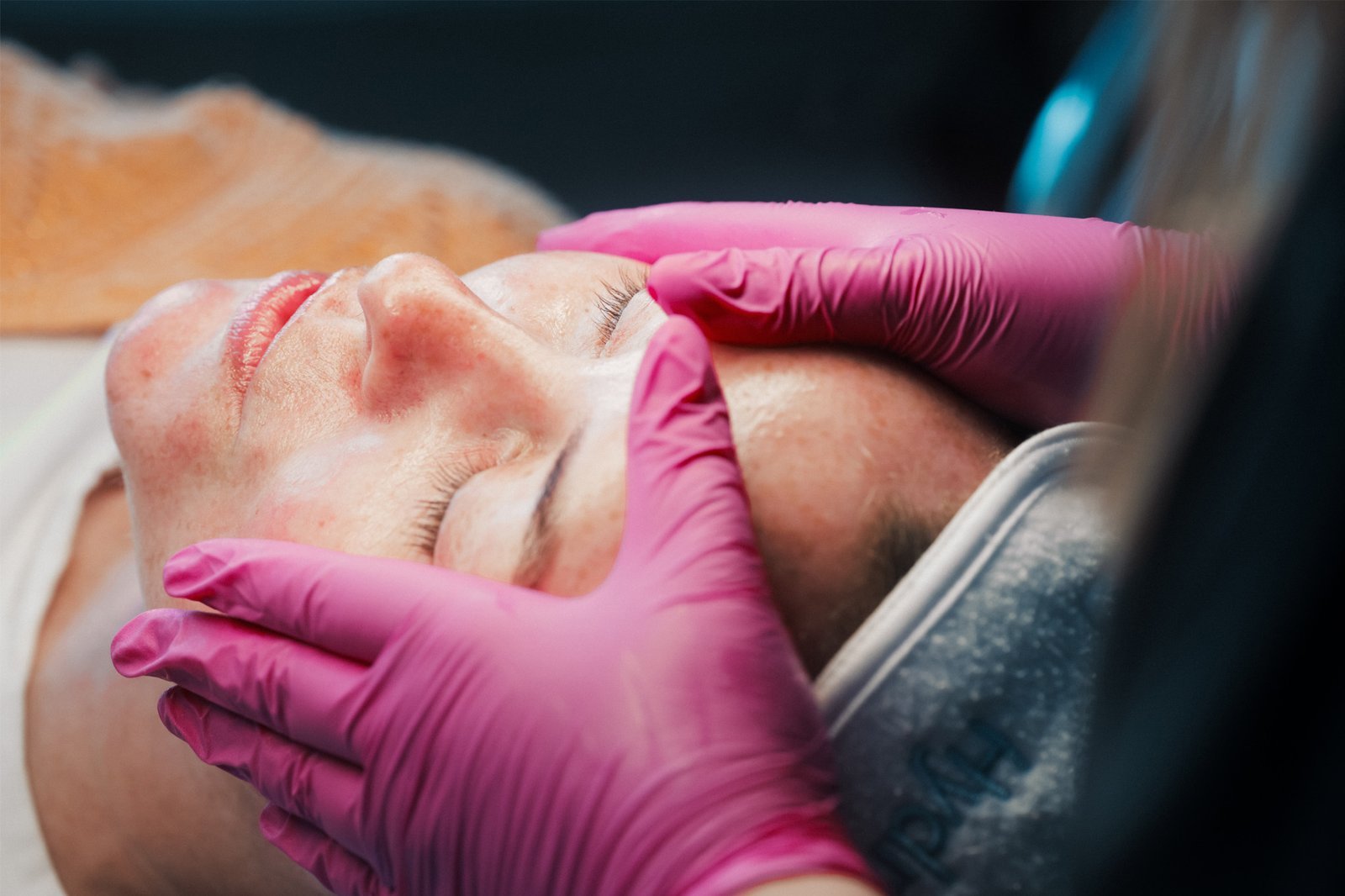
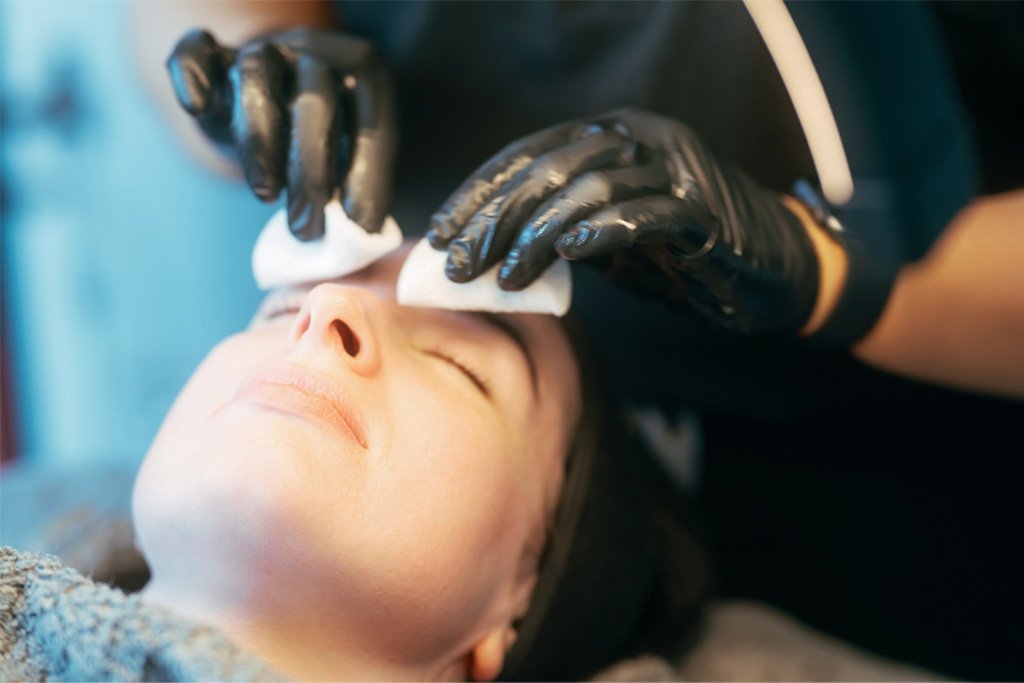
Microneedling is a minimally invasive treatment that uses fine needles to create controlled, precise micro-injuries in the skin [1][4].
Rather than causing damage, these micro-injuries are designed to trigger the skin’s natural repair pathways [4][1]. In response, the body stimulates the production of new collagen and elastin, key components for healthy, resilient skin [1][3].
This regenerative process is one of the main skin needling benefits, helping the skin rebuild in a stronger, more organised way over time [4][7].
As the skin repairs from within, microneedling scar treatment can significantly improve overall texture and tone, supporting smoother, more even-looking skin [3][4].
Why Clinical Treatment Matters
Although at-home microneedling devices are widely available, clinical treatments offer a far greater level of precision and safety [1][4].
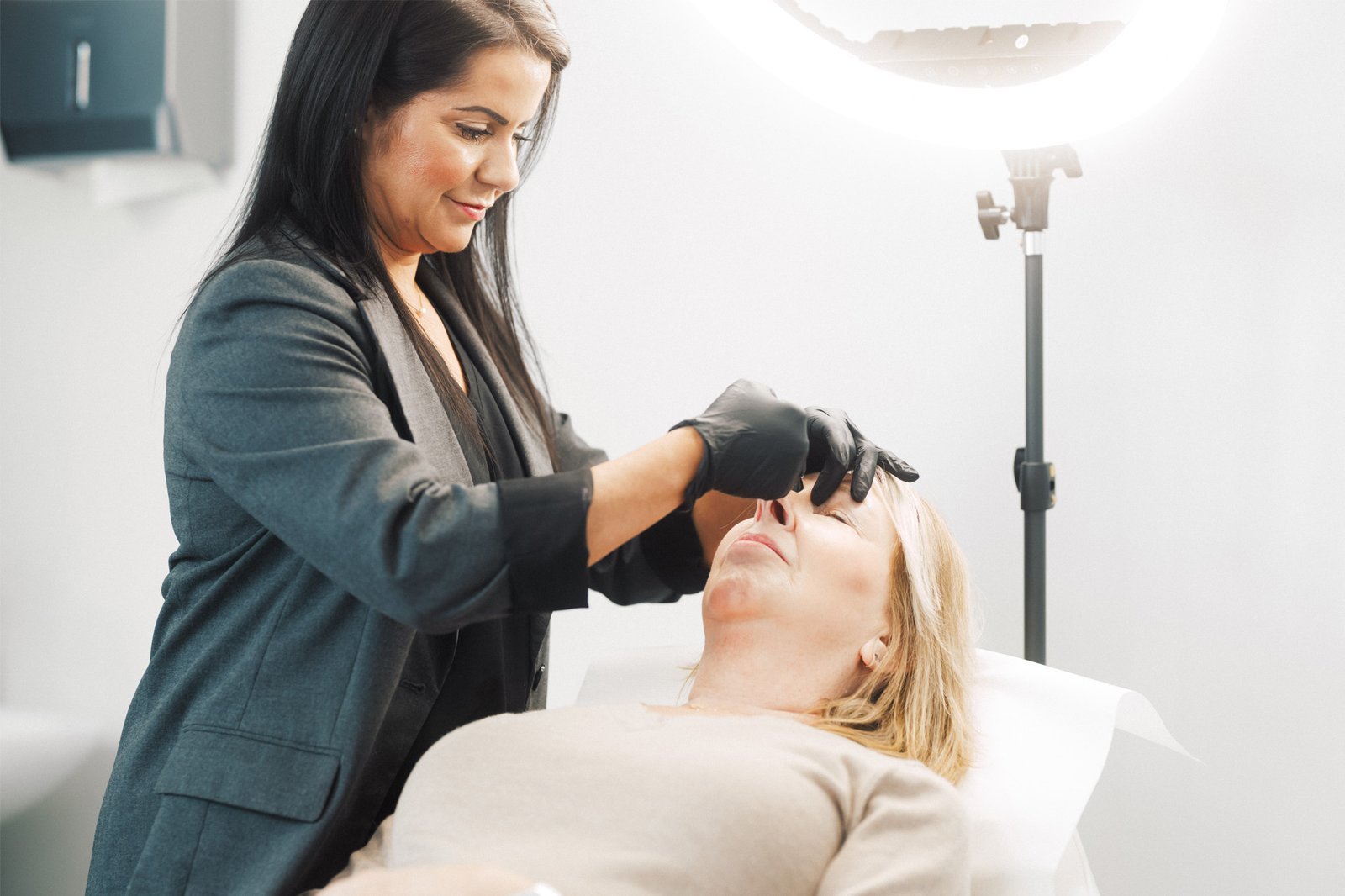
It’s easy to assume they offer similar results, but in a professional setting, practitioners can precisely control needle depth to target the appropriate layers of the skin [4][1].
This level of control is especially important in microneedling scar treatment, where different types of scars require different depths to be treated effectively [3][4]. Without that precision, results can be inconsistent.
This is why clinical treatments tend to deliver more reliable outcomes. By working in a controlled environment with expert technique, they maximise skin needling benefits, leading to safer, more predictable results compared to at-home approaches [1][4].
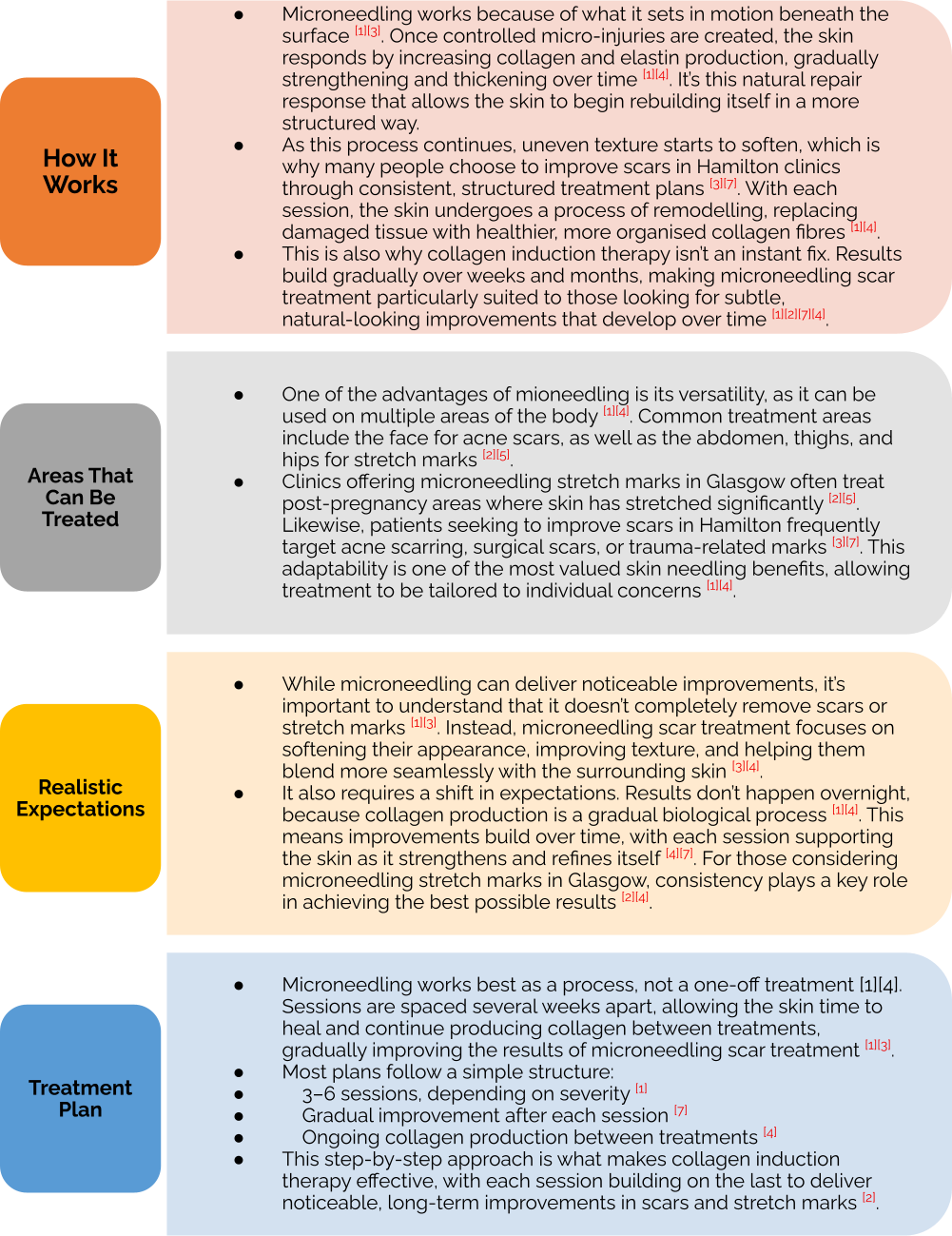
Microneedling scar treatment isn’t about chasing perfection, it’s about gradual, natural-looking improvement that builds over time [1][4].
We’ve all had that expectation of quick results, but treatments like this work differently. The changes aren’t immediate, but with patience and consistency, they can become both visible and long-lasting [7][4].
That’s why outcomes often come down to more than just the treatment itself. A structured plan, combined with expert clinical care, plays a key role in achieving results that feel balanced, subtle, and truly sustainable [4][3].
BIBLIOGRAPHY
- British College of Aesthetic Medicine. (n.d.). Microneedling treatment. [online] Available at:
https://bcam.ac.uk/patients/treatments/microneedling.aspx - Hannah McCoy Clinic. (2026). Can microneedling help with stretch marks? [online] Available at:
https://www.hannahmccoyclinic.co.uk/blog/8555/microneedling/microneedling-for-stretch-marks - London Dermatology Centre. (n.d.). Latest scar treatment innovations. [online] Available at:
https://www.london-dermatology-centre.co.uk/blog/latest-scar-treatment-innovations/ - Monalisa Cosmedics. (n.d.). Microneedling: How it works, benefits and expectations. [online] Available at:
https://monalisacosmedics.co.uk/microneedling-how-works-benefits-expectations/ - Pulse Light Clinic. (n.d.). Post pregnancy stretch marks. [online] Available at:
https://www.pulselightclinic.co.uk/blog/post-pregnancy-stretch-marks - Skin Science Clinic. (n.d.). Stretch marks: Causes, diagnosis and treatment. [online] Available at:
https://skinscienceclinic.co.uk/conditions/stretch-marks-causes-diagnosis-and-treatment/ - Youthful Revival Clinic. (n.d.). Microneedling before and after: Transformation stories. [online] Available at:
https://www.youthful-revival.co.uk/post/microneedling-before-after-6-amazing-transformation-stories